
The Role of Hydration in Women’s Fitness Performance
Hydration is a crucial factor in achieving optimal performance in women’s fitness routines. The human body comprises approximately 60% water, and this liquid is vital for many physiological processes. When women engage in fitness activities, they lose water through sweat and respiration. If hydration levels drop, this can negatively impact their energy, endurance, and overall performance. Therefore, it is essential for women to recognize the importance of staying hydrated throughout their fitness journey. Drinking water before, during, and after exercise helps to maintain adequate hydration, ensuring that the body’s temperature regulation can function effectively. Women should be mindful of the signs of dehydration, which include fatigue, dizziness, and decreased concentration. The presence of these symptoms can hinder performance and may lead to serious health consequences. To support their fitness goals, women need to prioritize hydration by keeping a water bottle on hand at all times. In colder weather conditions, hydration remains equally important, as people often forget to drink enough. Hence, a consistent approach to hydration should play a pivotal role in any fitness regimen for women.
Furthermore, the role of hydration goes beyond just enhancing performance; it plays a vital role in recovery and overall health. When women engage in strenuous workouts, their muscles undergo stress and micro-tears, which require recovery time and proper nutrient supply, including water. Drinking fluids after exercising helps to replenish lost nutrients and rehydrate muscle tissues. This practice can prevent muscle cramps and soreness, promoting quicker recovery times. Additionally, hydration supports the transportation of nutrients throughout the body, which is particularly important for active women. Adequate fluid intake ensures that essential vitamins and minerals are delivered to muscles and cells efficiently. Women might consider incorporating electrolyte drinks into their hydration strategy when engaging in intense activities, especially in hot weather. Electrolytes, like sodium and potassium, help maintain fluid balance and are lost through sweat. Therefore, balancing both water and electrolyte consumption is essential during workouts. To maintain proper hydration, women should establish a routine that integrates water intake seamlessly into their daily lives. Women who effectively manage their hydration levels will likely experience better performance and health outcomes.
Hydration and Weight Loss
Another significant aspect of hydration in women’s fitness is its role in weight management. Many women often overlook how water can aid in weight loss and body composition goals. Drinking water before meals can promote a feeling of fullness, leading to reduced hunger and lower caloric intake. This can be particularly beneficial for those who are trying to lose weight or maintain a healthy diet. Moreover, hydration supports the body’s metabolism, aiding in the efficient conversion of food into energy. When the body is dehydrated, its metabolism can slow down, hindering weight loss efforts. Staying properly hydrated also improves energy levels, motivating women to remain active and engage in more exercise. Hydration can also assist in flushing out toxins from the body, promoting healthy skin and overall wellness. It’s vital to diversify hydration sources; women can increase water intake by consuming fruits and vegetables high in water content, like cucumbers and oranges. By incorporating these strategies into their daily routine, women can leverage hydration as a supportive tool in their weight loss journey and overall fitness management.
In addition to water, the timing of hydration also plays a critical role in optimizing fitness outcomes for women. Consuming water at strategic intervals can enhance performance significantly. For instance, drinking water in the hours leading up to a workout ensures that the body is adequately hydrated before exercise begins. It is also advisable for women to sip water throughout their workouts rather than chugging large amounts at once. This strategy promotes even fluid distribution within the body and helps maintain endurance throughout the exercise. Post-workout hydration is equally essential; within 30 minutes after finishing exercise, consuming fluids helps to replenish lost hydration quickly. Women should aim for a combination of water and electrolyte-rich drinks after workouts to aid recovery. Understanding individual hydration needs may require some trial and error, as factors such as body size, workout intensity, and climate play a significant role in determining hydration requirements. By cultivating a mindful approach to hydration before, during, and after workouts, women can maximize their fitness performance and achieve longer-lasting results.
Signs of Dehydration to Watch For
Women must learn to recognize the signs of dehydration to optimize their fitness performance. Signs may range from mild to severe, and awareness is key to prevention. Early indicators include feelings of thirst, dry mouth, and fatigue. These signs can be easily overlooked during intense workouts. Additionally, headaches and dark urine color can signal that the body requires more fluids. In more severe cases, dizziness and confusion may arise, leading to dangerous situations. Monitoring urine color can be a practical method for determining hydration levels; it should be light yellow in color for optimal hydration. If darker shades are observed, it is a clear indicator to increase fluid intake. Active individuals should consider setting hydration goals, such as drinking a specific amount of water throughout the day. Another useful approach is to establish habits, like having a glass of water before each meal. It’s also worthwhile for women to be aware of the effects of caffeine and alcohol on hydration. Both substances can contribute to dehydration, so their consumption should be balanced with increased water intake.
Understanding personal hydration needs is crucial in supporting women’s fitness endeavors. Each woman’s body has different hydration requirements based on several factors, including weight, activity level, and environmental conditions. For instance, heavier individuals or those who engage in more intense workouts will need to drink more water. Similarly, exercising in hot and humid climates can lead to increased sweat loss, necessitating greater fluid intake. To personalize hydration strategies, women might consider tracking their fluid intake alongside exercise routines. This practice can provide insight into individual hydration needs and help ensure the right amount is consumed. Some athletes employ sweat tests to calculate their sweat loss during workouts, further aiding in determining fluid replacement strategies tailored to their specific needs. The consistent incorporation of hydration monitoring can help women stay in tune with their bodies and make adjustments accordingly. An effective hydration strategy can lead to improved workout performance, reduced fatigue, and enhanced recovery processes. Ultimately, prioritizing hydration is essential for fitness-minded women to unlock their full potential and achieve their goals.
Tips for Staying Hydrated
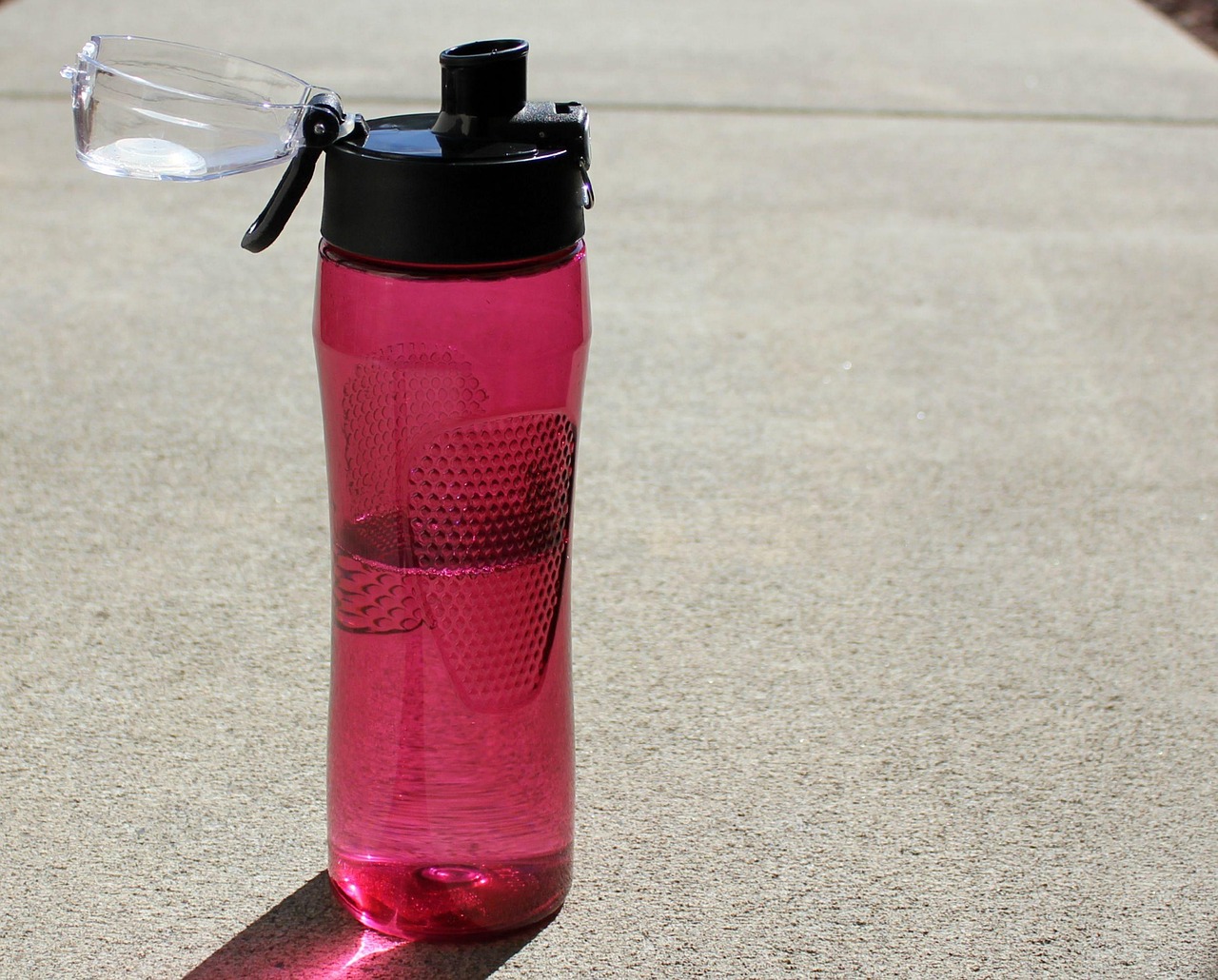
To encapsulate the importance of hydration in women’s fitness performance, let’s explore some practical tips for staying hydrated. First, women should establish a daily water intake goal and track their progress. Utilizing apps or hydration journals can facilitate this process. Second, women should create routines that automatically integrate hydration, such as drinking a glass of water upon waking up or during breaks at work. Another effective strategy is to infuse water with fruits or herbs for a refreshing change, making it more appealing. Additionally, keeping reusable water bottles handy during workouts can increase the likelihood of drinking water regularly. Setting reminders on phones can serve as gentle nudges to drink water throughout the day. Hydration packs with built-in measurements can help monitor water intake more efficiently during workouts. Furthermore, women can experiment with electrolyte-replenishing drinks for more intense workouts to help replenish electrolytes lost in sweat. Finally, making hydration a communal effort by encouraging friends and family to prioritize fluids can foster a supportive environment for women seeking to enhance their fitness performance.
In summary, hydration plays a vital role in women’s fitness performance and overall well-being. Prioritizing fluid intake before, during, and after exercising is fundamental to enhancing energy, endurance, and recovery. Additionally, it directly impacts weight management by promoting fullness and optimal metabolism. Women should actively monitor their hydration levels by recognizing the signs of dehydration and tailoring their strategies to meet personal needs. Establishing effective hydration routines, setting goals, and incorporating hydration-promoting habits can increase the likelihood of maintaining proper fluid levels. Emphasizing the importance of hydration can pave the way for a successful fitness journey and help women achieve their personal health and fitness aspirations. By prioritizing the role of water and electrolytes in their daily lives, women can create sustainable habits that accommodate their fitness routines. With adequate hydration, women’s fitness performance is likely to improve significantly. Learning to be proactive about hydration can enhance their workouts. In turn, a consistent focus on hydration leads to lasting positive changes in energy levels, focus, and physical performance. Therefore, water should be considered one of the most essential components of every workout regimen.