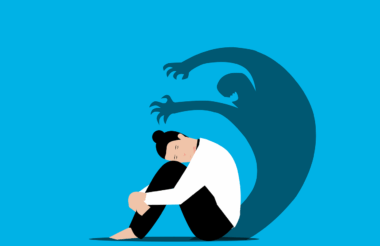

The Relationship Between Emotions and Hormonal Balance
Understanding the mind-body connection is imperative for overall health and well-being. Emotions significantly influence hormonal balances within the body. For instance, stress can lead to elevated cortisol levels, adversely affecting metabolism and immune function. Additionally, positive emotions can increase serotonin and dopamine, essential for mood and sleep patterns. Emotions act as signals, stimulating physiological responses that are critical for adaptation and survival. When we experience fear, adrenaline is released, preparing our body for a fight or flight response. The interconnection between mental states and physical reactions highlights the impact emotions can have on bodily functions. Hormonal fluctuations resulting from emotional states can lead to chronic health issues if not properly managed. Therefore, learning to cope with emotions effectively can enhance not only mental clarity but physical health as well. Integrative practices such as mindfulness, yoga, and meditation offer strategies to balance emotions and, in turn, support hormonal health. Consequently, exploring the complexities of the mind-body relationship can lead to improved quality of life and overall wellness. Recognizing and validating emotions is key to developing a healthier hormonal equilibrium that supports well-being.
Emotions play a crucial role in regulating the functions of hormonal systems across different life stages. For instance, during adolescence, hormonal changes coupled with emotional fluctuations can lead to significant behavioral changes. Understanding and managing these emotions can foster better hormonal balance, improving both physical and mental health during this transitional phase. Furthermore, during periods of stress, hormonal cascades can trigger reactions that may result in long-term health implications. Chronic stress often leads to sustained high levels of cortisol, which can hinder reproductive health and immune functions. Additionally, conditions like anxiety and depression can create an imbalance, leading to disrupted sleep patterns and increased fatigue. To mitigate these effects, establishing coping mechanisms like exercise, social support, and proper nutrition becomes essential. Incorporating techniques such as deep breathing and journaling can help individuals process their emotions effectively. These practices not only alleviate emotional distress but can also support hormonal health, reinforcing the connection further. In essence, becoming aware of one’s emotional states and responding to them appropriately can lead to healthier relationships and improved physical conditions through better hormonal regulation.
Impact of Stress on Hormonal Health
Chronic stress has far-reaching effects on hormonal health, causing imbalances that affect multiple body systems. When the body undergoes prolonged stress, the adrenal glands produce an excess of cortisol. This biochemical reaction can lead to numerous health challenges. Prolonged elevated cortisol can wreak havoc on weight management, digestion, and even cardiovascular health. Notably, high cortisol levels can lead to insulin resistance, ultimately increasing the risk of type 2 diabetes. Furthermore, stress-induced hormonal changes can hinder the release of reproductive hormones, affecting menstrual cycles and fertility in women. It is vital to recognize the signs of chronic stress early on to implement effective management strategies. These can include engaging in physical activities, which reduce cortisol and promote endorphin production. Also, adopting a balanced diet rich in nutrients can assist in mitigating stress effects. Implementing mindfulness practices offers a fantastic avenue for stress relief, promoting emotional awareness and transforming stress responses. Hence, understanding this critical relationship between stress and hormonal health is essential for safeguarding personal well-being and achieving optimal health outcomes over time.
It is interesting to explore how emotions can directly influence hormone production in the body. For example, feelings of love and gratitude have been shown to increase oxytocin levels, fostering connections and enhancing feelings of safety and well-being. On the contrary, negative emotions like anger and fear can activate the fight-or-flight response, leading to increased adrenaline and cortisol. Such hormonal shifts can produce short-term benefits in emergency situations but can harvest detrimental long-term effects when linked to chronic emotional states. Exploring the psychological framework surrounding emotional regulation is pivotal in promoting health and wellness. Therapeutic interventions aimed at improving emotional intelligence can assist individuals in navigating emotional landscapes, leading to healthier hormonal responses. Practices that encourage emotional expression, such as art therapy or journaling, allow for the safe processing of emotions. Incorporating laughter and joy into daily life can also serve as practical antidotes to emotional distress, supporting a more balanced hormonal environment. Consequently, nurturing positive emotional experiences can profoundly liberate hormonal systems, promoting overall health and emotional satisfaction in daily living.
The Role of Nutrition in Emotional Health
A balanced diet significantly contributes to emotional well-being and hormonal stability. Adequate nutrition fuels brain function and influences the release of various neurotransmitters and hormones. For instance, omega-3 fatty acids, found in fish, have been linked to lower rates of depression along with improved brain health. Additionally, complex carbohydrates can lead to the production of serotonin, helping regulate mood and emotional states. Thus, considering what we consume is crucial for maintaining hormonal balance. It is essential to incorporate a variety of nutrient-rich foods into daily meals, promoting diversity in intake to support both emotional and physical health. Whole grains, lean proteins, fruits, and vegetables contribute to sustained energy levels and emotional equilibrium. Furthermore, hydration must not be overlooked, as even mild dehydration can impact mood and cognitive performance negatively. Individuals should ensure they drink sufficient water throughout the day as part of maintaining their emotional and physical health. Therefore, understanding the correlation between nutrition and emotions can foster informed dietary choices, encouraging a lifestyle that promotes overall wellness effectively.
Exercise is another vital component in the interplay between emotions and hormonal health. Regular physical activity stimulates the release of endorphins, commonly referred to as ‘feel-good hormones.’ As a result, exercise serves as a natural antidote to feelings of stress, anxiety, and depression. Moreover, consistent physical activity helps to regulate cortisol levels, ensuring the body’s hormonal balance is maintained optimally. Engaging in suitable forms of exercise creates a lifestyle that encourages emotional stability and resilience. It is recommended to find activities that resonate with personal interests, making the experience enjoyable rather than a chore. This could range from running and swimming to yoga or dance, allowing individuals to choose what best aligns with their preferences. Group classes or team sports can enhance social connections, further amplifying emotional support. Ultimately, the key is cultivating a routine that incorporates enjoyable movement, enhancing both emotional well-being and hormonal systems. Integrating physical activity into daily schedules promotes sustainable health changes, advocating for better mental and emotional health through this profound relationship.
Conclusion: Embrace the Mind-Body Connection
The intricate relationship between emotions and hormonal balance cannot be understated. Recognizing the interdependence of these elements can lead individuals toward healthier lifestyles. Engaging in practices that foster emotional awareness, such as mindfulness and effective coping strategies, lays the groundwork for improved hormonal regulation. Furthermore, incorporating nutrient-rich diets and regular exercise not only nurtures emotional health but elevates overall physical well-being. It is important to acknowledge the influence of chronic stress on hormonal health and actively work toward implementing stress-reducing techniques in daily life. Building resilience through positive relationships and emotional regulation can help individuals navigate emotional challenges without adverse health effects. As we embrace the mind-body connection, we empower ourselves to make informed choices that lead to harmonious living. Lastly, fostering a community that values mental health awareness contributes to a collective effort toward a healthier society. Encouraging open dialogues about emotional struggles can help dismantle stigmas associated with mental health, enabling individuals to seek the needed support. Hence, embarking on this journey of emotional and physical health leads to profound transformations and enhances the quality of life.