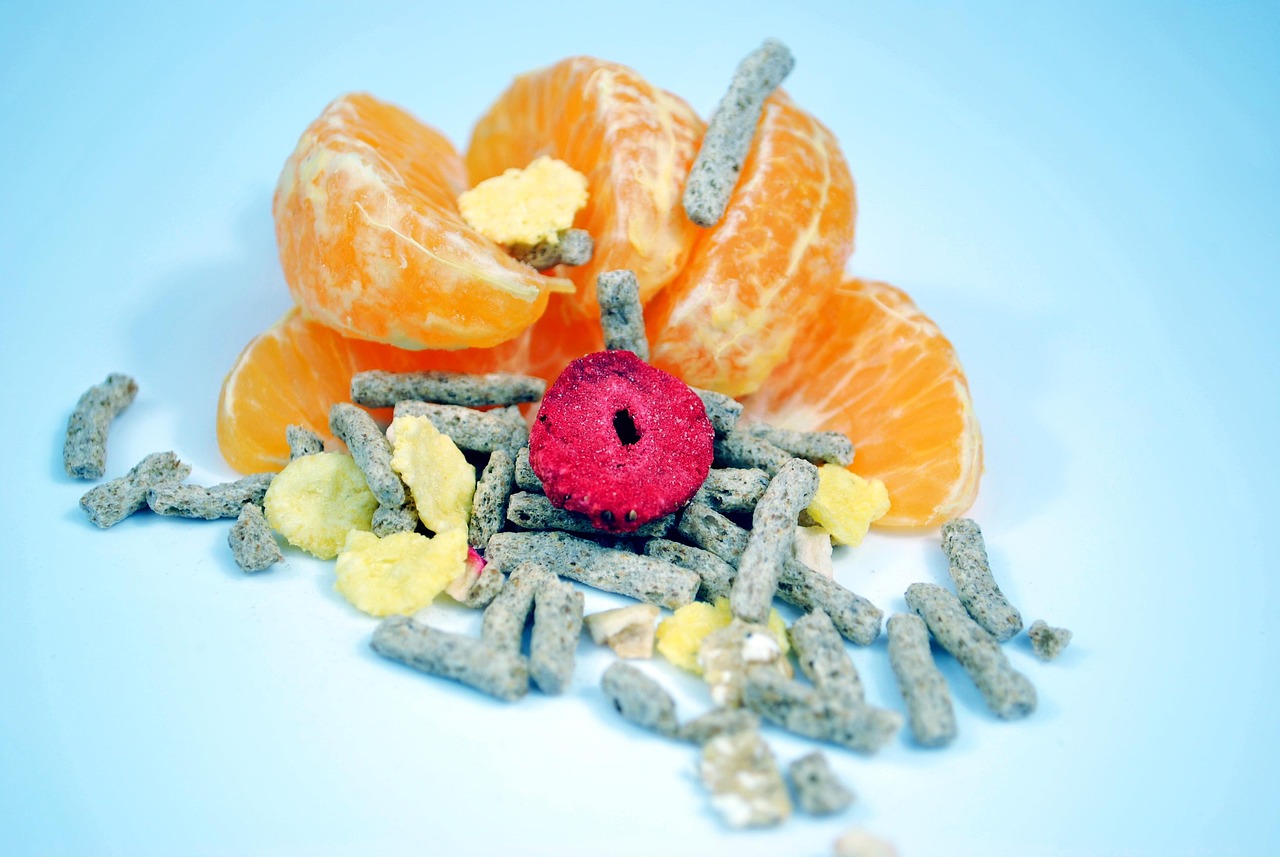

The Importance of Fiber in a Competitor’s Diet
Fiber plays a crucial role in a bodybuilder’s diet, impacting both health and performance significantly. Consuming adequate fiber facilitates proper digestion and absorption of nutrients, allowing athletes to maximize the benefits of their food intake. It is essential for competitors to understand that fiber helps in maintaining gastrointestinal health, which is pivotal during intense training and competition prep. High-fiber foods also promote a feeling of fullness, helping to regulate appetite during calorie restriction phases. This makes fiber invaluable during diets geared for body composition changes. Moreover, certain types of fiber, like soluble fiber, can lower cholesterol and improve heart health. This is especially important for athletes who push their bodies to extremes. It can also aid in maintaining stable blood sugar levels, which provides consistent energy throughout the day, crucial for rigorous training sessions. Competitors should aim for diverse sources of fiber, from whole grains to fruits and vegetables, ensuring a balanced intake. Including fiber-rich foods is not just a dietary suggestion; it is a fundamental aspect of optimizing performance in bodybuilding competitions.
In addition to physical benefits, fiber consumption also influences mental health, which is often overlooked in competition environments. Maintaining psychological well-being is vital for athletes, especially during stressful training or pre-competition phases. Studies have shown that a diet high in fiber can correlate with lower levels of anxiety and improved mood. This aspect is critical, as mental clarity can impact focus during training sessions and competitions. Furthermore, gut health, heavily influenced by fiber intake, has been linked to mental health. A healthy gut can enhance mood and cognitive function, supporting competitors as they prepare mentally for their challenges. Setting aside time to evaluate dietary fiber intake can yield significant improvements not just in physical performance, but also in mental strength. Consuming a variety of fiber sources can also provide essential vitamins and minerals that are necessary during intense training. It is thus imperative that bodybuilders incorporate fiber-rich foods consistently into their meal plans. Planning meals with an emphasis on fiber can lead to sustained energy levels and better overall health, necessitating an adjustment of dietary priorities for optimal performance.
Fiber Sources and Recommendations for Competitors
The best sources of fiber for competitors are typically fruits, vegetables, whole grains, nuts, and seeds. Each of these food groups provides not only fiber but also crucial vitamins and minerals that support muscle recovery and repair. For instance, beans and lentils are excellent sources of both protein and fiber, making them perfect additions to a competitor’s diet. Similarly, fruits like berries, apples, and oranges not only enhance fiber intake but also provide antioxidants known to reduce inflammation. Whole grains like oats, quinoa, and brown rice are not only relatively easy to digest but also help sustain energy levels crucial during training and recovery. A general recommendation for fiber intake stands around 25 to 35 grams daily for most athletes, varying based on individual energy needs. However, it is essential to increase fiber intake gradually to prevent discomfort during training. Additionally, staying hydrated is crucial as fiber absorbs water and bulks stools, facilitating smooth digestive processes. Thus, a balance between fiber intake and hydration should be a consistent focus in meal planning for bodybuilders.
Another crucial aspect of fiber intake relates directly to macronutrient ratios specific to bodybuilding. Many competitors focus heavily on protein and carb ratios in their diet yet neglect fiber’s essential role. For optimal granulation of the diet, fiber should be seen as a part of the carbohydrate component, enabling better digestion and nutrient absorption. It is important to visualize fiber not merely as an addition but as integral to macronutrient balancing. Incorporating the right amounts of soluble and insoluble fiber can facilitate better absorption of proteins, aiding muscle repair after intense workouts. This absorption can, in turn, promote more effective nutrient partitioning, allowing bodybuilders to utilize their diets’ caloric content fully. The type of carbohydrates consumed can greatly affect fiber intake; thus, choosing whole grains over processed foods becomes extremely relevant. Reflecting these insights into diet adjustments allows athletes to make informed choices that could yield better competitive outcomes. A focused approach on both fiber and protein consumption can lead to enhanced performance, making dietary optimization a critical practice among serious competitors.
Adapting Fiber Intake for Different Phases
It is also essential for bodybuilders to adapt their fiber intake based on the different phases of their training cycles. During a bulking phase, where calorie consumption is higher, fiber can help regulate appetite by making individuals feel fuller longer. However, excessive fiber may lead to discomfort, so finding a proper balance is essential. As competitors transition into cutting phases, fiber becomes critically important as it can help maintain satiety while reducing overall calorie intake. High-fiber foods are typically less calorie-dense, thus allowing bodybuilders to consume larger portions without exceeding their caloric limits. Additionally, during these calorie-deficit phases, retaining muscle mass becomes a priority, and fiber can help facilitate nutrient absorption necessary for protein synthesis. Thus, strategic adjustments to fiber intake can prove advantageous depending on the competing timeline. Competitors should not only focus on macronutrients but also integrate fiber into their meals effectively, ensuring they can still achieve their desired body composition. A regular assessment of fiber entailed can positively influence body composition outcomes throughout the training cycle.
Furthermore, meal timing is an important consideration regarding fiber intake for competitors. In bodybuilding, how and when food is consumed can profoundly affect performance. For instance, eating a fiber-rich meal immediately before training might lead to digestive discomfort during intense workouts. Competitors should strategically time their fiber intake around workouts to enhance performance while also managing digestion effectively. It’s often recommended to consume fiber during meals spaced out from training times, focusing on meal preparation around training windows. Consultants often suggest that high-fiber meals be saved for recovery periods post-training, as the body will benefit from fiber’s properties while repairing itself. This careful planning helps athletes avoid unnecessary discomfort while ensuring that the benefits of fiber are maximized during their nutrition protocols. Recognizing the trade-offs between fiber intake, time of consumption, and workout intensity could greatly enhance performance outcomes for competitors. Ultimately, adaptability is key to achieving balance in dietary strategies, allowing bodybuilders to stay competitive and optimize their health.
Conclusion: The Multifaceted Benefits of Fiber
In conclusion, fiber emerges as a vital component of a bodybuilder’s diet that extends beyond simple digestion benefits. Its influence on satiety can be incredibly helpful during both bulking and cutting phases. However, understanding the multifaceted benefits of fiber can take competitors’ nutrition to greater heights. Not only does it improve gut health, but it also aids in mental clarity and overall well-being. Thus, it’s crucial for athletes to focus on diverse sources of fiber. Particularly, as competitors plan for future competitions, striking a balance between deprivation and health can ensure they perform at their best. Ultimately, incorporating fiber into daily diets leads to sustainable energy levels and improved overall digestive health. Therefore, bodybuilders are encouraged to commit to integrating fiber systematically into their diets. As new findings in nutritional science evolve, it’s imperative that bodybuilders adapt their dietary strategies for continued success. By acknowledging the importance of fiber, competitors can not only support their training regimens but optimize their overall health, maximizing performance potential in bodybuilding competitions.