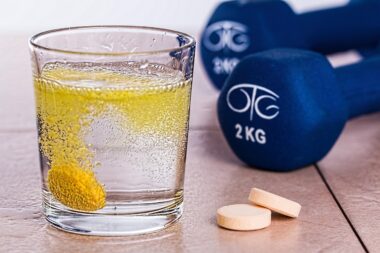

Supplements to Support Cardiovascular Health and Physical Activity
When considering dietary supplements, it is essential to understand how they benefit cardiovascular health and physical activity. Vitamins, minerals, and herbs can offer various advantages when consumed appropriately. One popular choice is Omega-3 fatty acids, known for their anti-inflammatory properties and potential heart health benefits. They can help lower triglyceride levels, which is crucial for overall cardiovascular wellness. Another notable supplement is Coenzyme Q10, a substance produced by the body. It supports energy production and can improve exercise performance and promote better circulation. Magnesium is vital as well; it can aid muscle function and reduce muscle cramps, thereby enhancing physical activity. Other significant supplements include garlic extract, which may contribute to improved blood circulation and lower blood pressure. Also, beetroot juice, rich in nitrates, can enhance exercise stamina by improving blood flow. Antioxidants like vitamin C and E may also protect the heart and improve physical resistance. Opt for high-quality supplements to ensure optimal health benefits, and consult healthcare professionals before making changes to your supplementation regimen.
To further enhance your cardiovascular health, maintaining a balanced diet is equally essential. A diet rich in whole foods, fruits, and vegetables can complement the benefits of supplements. Adding leafy greens such as spinach and kale can be beneficial, providing essential nutrients and fiber while supporting overall heart health. Whole grains, such as oats and quinoa, also support healthy cholesterol levels and cardiovascular function. Additionally, incorporating lean proteins found in chicken, fish, and legumes will aid muscle maintenance during physical activities. Remember that a proper hydration regimen is equally crucial; water is vital for maintaining energy levels and maximizing physical performance. Staying hydrated can significantly affect endurance and recovery post-exercise. Moreover, being mindful of your salt intake can help prevent hypertension, a risk factor for heart disease. Consuming healthy fats, such as those found in nuts, seeds, and olive oil, can contribute positively to your cardiovascular system. Lastly, limit processed foods high in sugars and unhealthy fats, which pose risks to both heart function and overall wellness. Striking a balance between diet and supplementation will yield the best outcomes for heart health and physical fitness.
The Role of Antioxidants in Heart Health
Antioxidants play a vital role in the maintenance of cardiovascular health. They help neutralize free radicals in the body, which can cause oxidative stress and damage cells. Vitamins such as vitamin C and vitamin E, along with polyphenols found in berries, green tea, and dark chocolate, can significantly protect the cardiovascular system. Some research suggests that the consumption of these antioxidants may lower the risk of atherosclerosis, contributing to better heart health and function. A well-balanced diet supplemented with appropriate antioxidants can also enhance stamina and improve exercise capacity. L-Carnitine is another key player in sports nutrition, as it assists in the transportation of fatty acids into the mitochondria, where they’re burned for energy. Omega-3 fatty acids not only provide anti-inflammatory effects but also may potentially enhance the effectiveness of antioxidants, working in synergy to support cardiovascular health during physical exertion. Incorporating diverse sources of antioxidants as part of your dietary strategy can provide robust support for your heart during rigorous activities. Balancing these nutrients with proper hydration can optimize efficiency in cardiovascular-related exercises.
Besides focusing on diet and supplements, regular physical activity is vital for cardiovascular health. Engaging in aerobic exercises, such as jogging, cycling, or swimming, strengthens the heart muscle and improves overall circulation. It is important to develop a routine incorporating both aerobic and anaerobic exercise components. Anaerobic exercises like weightlifting or resistance training can increase muscle mass and metabolism, promoting fat loss and improving heart health. Before starting any new workout program, it is advisable to consult with a healthcare provider or fitness expert, especially for individuals with pre-existing conditions. Gradually increasing the intensity and duration of physical activities can prevent injuries while optimizing results. Participating in activities such as yoga or Pilates can also benefit heart health through stress reduction and improved flexibility. Keeping track of workouts and supplement intake allows individuals to assess progress effectively. Remember that rest and recovery are essential components of an exercise regime; integrating days for rehabilitation ensures better performance. Adopting this balanced approach of dietary supplements and exercise fosters overall health and sustainability in long-term cardiovascular wellness.
Consultation with Healthcare Professionals
Before embarking on any new dietary supplement or fitness regimen, consulting with healthcare professionals is highly recommended. This step guarantees tailored advice suitable to individual needs and health statuses. Healthcare providers can perform necessary assessments to identify any deficiencies and recommend appropriate supplements that complement workout routines. Furthermore, they can guide the adjustment of dietary habits to maximize nutrient intake and overall health. Pharmacists are also valuable resources for verifying the safety and effectiveness of supplements. With a plethora of options available, understanding which supplements align with personal health goals becomes essential, especially concerning cardiovascular health. Comprehensive check-ups can help recognize contraindications or potential side effects related to specific supplements, particularly for those taking medications or with underlying health conditions. Personal trainers may recommend exercise plans tailored to personal fitness levels, ensuring a safe and gradual buildup. Discussing fitness goals with a professional can enhance motivation and accountability. By prioritizing collaboration with healthcare professionals, individuals can greatly improve their success in achieving and maintaining optimal cardiovascular health through supplements and lifestyle modifications.
When it comes to metabolic health, several factors influence cardiovascular well-being. Nutrition, exercise, and lifestyle choices all contribute significantly to heart function and overall fitness. Regular monitoring of body metrics, including blood pressure and cholesterol levels, will help indicate the effectiveness of dietary supplements and exercise plans. Proper metabolic health ensures that nutrients are effectively utilized and promotes energy efficiency during physical activity. Consuming probiotics may also be beneficial; these support healthy gut flora, which can positively impact cardiovascular health. Engaging in regular health screenings can identify early markers of potential heart issues, allowing individuals to adapt their routines accordingly. Mindful practices such as stress reduction techniques, including meditation and deep breathing, also play a role in heart health by lowering cortisol levels, which can negatively impact cardiovascular function if uncontrolled. Making sustainable lifestyle changes that incorporate all these factors leads to effective long-term improvements in cardiovascular health. Maintaining consistency in both supplementation and exercise, along with regular health assessments, will enhance the benefits received. Ultimately, taking a holistic approach involving a consideration of metabolic influences will yield the best outcomes for the heart.
Conclusion: A Holistic Approach to Heart Health
In conclusion, embracing a holistic approach towards supplements and physical activity fosters cardiovascular health. By understanding the importance of dietary components, physical activity, and professional guidance, individuals can enhance their wellbeing significantly. Supplements such as Omega-3 fatty acids, Coenzyme Q10, antioxidants, and magnesium can provide substantial benefits when integrated into a balanced diet. Regular physical activity, consisting of both aerobic and anaerobic forms, strengthens the heart and promotes better circulation. As crucial as supplements and exercise are, they should not be regarded as standalone solutions. A comprehensive strategy involving multiple elements—healthy eating, regular screening, and expert advice—is crucial for maximizing heart health benefits. Listening to one’s body and adhering to personalized recommendations is vital for effective results. Successful long-term cardiovascular health depends on commitment and flexibility concerning lifestyle modifications. By persistently embracing this holistic framework, individuals not only support their cardiovascular health but also enhance overall wellness, resilience, and vitality, leading to a more energized and fulfilling life. Remember, consistency is key, and the journey towards optimal health continues throughout one’s life. Together, these elements create a robust foundation for a healthier heart.
By integrating dietary supplements, exercise, and professional guidance effectively, you empower yourself. Focus on nourishing your body with nature’s best, utilizing knowledge to enhance health. Take actionable steps toward better cardiovascular health, fueling both body and mind.