
Supplements That Help Combat Gym-Related Fatigue
Fatigue can be a significant barrier to achieving fitness goals. However, specific gym workout supplements are designed to help mitigate these feelings of exhaustion. Among these, branched-chain amino acids (BCAAs) stand out due to their effectiveness in promoting muscle recovery and reducing soreness. Consuming BCAAs before and after workouts can aid in decreasing fatigue levels during training sessions. Creatine is another popular supplement that supports muscle energy in high-intensity activities which often leads to enhanced performance. Supplementing with creatine may help you power through those last few repetitive lifts while allowing you to work out longer and harder. Beta-Alanine has been shown to delay muscle fatigue since it increases carnosine levels in muscles, assisting in maintaining optimal pH levels during training, which is crucial for performance. Consuming these supplements can make a noticeable difference in workout recovery and overall endurance. Pairing these supplements with a balanced diet rich in whole foods maximizes their benefits, setting you on a faster track to your fitness aspirations. Remember to consult with a health professional before starting any supplement regimen.
Before diving deeper into gym workout supplements, it is essential to understand the importance of hydration. Water is fundamental in the recovery process. Dehydration can lead to increased fatigue, slower recovery, and diminished performance. Along with water, electrolyte-replenishing supplements can be beneficial. Electrolytes help maintain fluid balance in the body; losing them through sweat during workouts can exacerbate fatigue. Supplements containing essential electrolytes like sodium, potassium, and magnesium can help maintain optimal hydration levels and muscle function. Additionally, they can help prevent cramps and soreness. Natural energy boosters, such as beetroot juice or green tea extract, can also combat fatigue. These particular supplements boost blood flow and energy levels without the jitters associated with caffeine, making them perfect for those sensitive to stimulants. Furthermore, adapting your vitamin and mineral intake to support recovery can pay dividends in performance. Supplementing with magnesium, for instance, may contribute to reduced muscle fatigue and even improve your sleep, enhancing overall recovery. Personalized nutrition plans, including these additions, ensure your body receives the nutrients needed for sustainable success. A comprehensive approach will help combat gym-related fatigue.
The Role of Protein in Recovery
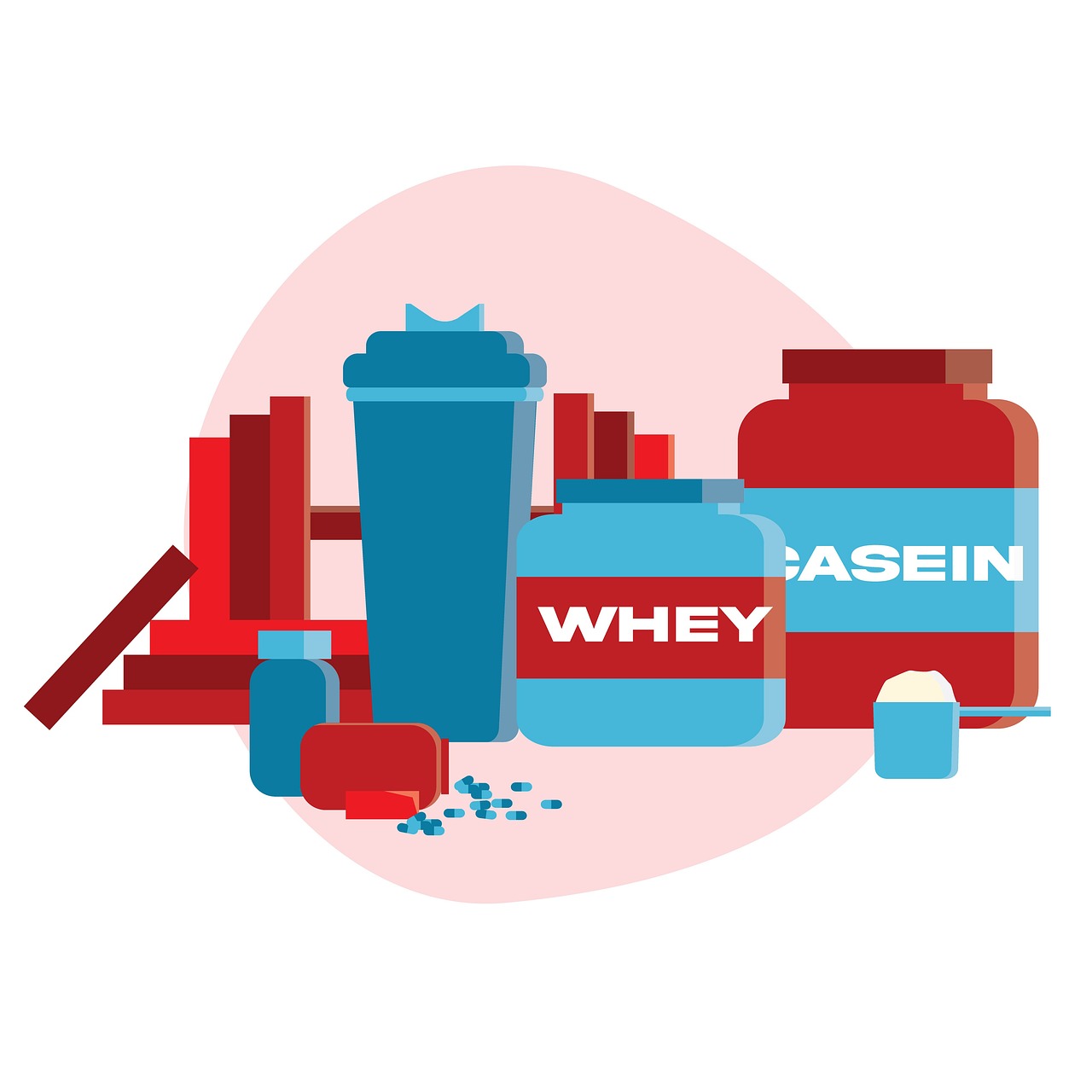
Integrating protein supplements into your regimen is vital for recovery after workouts. Whey protein is one of the most effective protein sources available for athletes and gym-goers alike. Known for its fast absorption, whey protein assists in muscle repair quickly post-exercise. Including a protein shake immediately after workouts replenishes muscle glycogen and enhances recovery. Casein protein, on the other hand, is ideal to consume before bedtime for its slow-release properties, ensuring that amino acids are available during sleep hours. This recovery process is crucial in combating fatigue and muscle breakdown. Plant-based proteins, like pea or hemp protein, are valuable alternatives for those following a vegetarian or vegan diet. Each of these options provides essential amino acids that contribute to muscle synthesis and recovery. Furthermore, a higher intake of protein has been linked to improved energy levels and reduced feelings of fatigue, making it easier to maintain an active lifestyle. Integrating protein powder into smoothies or meals helps ensure adequate intake. Always focus on choosing high-quality protein supplements aligning with your dietary preferences or restrictions.
In addition to amino acids and proteins, carbohydrates also play a crucial role in energy replenishment and combating gym-related fatigue. During intense workouts, our muscles utilize glycogen, a carbohydrate stored in our bodies, as energy. When glycogen stores deplete, fatigue sets in, impacting performance. Therefore, incorporating carbohydrate-based supplements like maltodextrin or dextrose can effectively boost energy levels prior to exercise. Consuming quick-digesting carbohydrates immediately post-workout helps to restore glycogen levels. A mixture of simple and complex carbohydrates can provide both immediate and sustained energy. Also, pre-workout supplements that blend carbs with caffeine can enhance performance and reduce perceived exertion during workouts, allowing you to push through fatigue. Timing and quantity play crucial roles in reaping the benefits of carbohydrate supplementation. Mid-workout drinks containing carbohydrates can also help sustain energy levels during prolonged sessions. Experimenting with different carbohydrate sources will help determine which works best for your body. However, it is vital to listen to your body and observe how it responds to different types and quantities of carbohydrates, ensuring optimal recovery.
Incorporating Minerals and Vitamins
Vitamins and minerals are often overlooked but play an essential role in energy production and recovery. Magnesium and zinc are two minerals that can help combat fatigue and support overall muscle function. Magnesium enhances muscle performance, promoting recovery while reducing muscle cramps. Supplements that contain magnesium can assist those who experience fatigue related to exercise. Zinc supports immune function and recovery, helping prevent illness that could sideline your fitness journey. Incorporating a multivitamin can help fill dietary gaps resulting from strenuous workouts. During intense gym routines, your body requires higher amounts of various nutrients, and a well-formulated multivitamin can provide those crucial elements. Vitamins C and E also serve important roles as antioxidants, combating oxidative stress during workouts. Considering the role of antioxidants is vital to support recovery and fight fatigue. Nutrition plays a fundamental role in performance, so taking preventive measures is crucial. Supplements should complement a balanced diet rich in fruits and vegetables. Adopting a wholesome approach ensures you maintain energy levels and effectively combat fatigue post-workout.
As we delve into the psychological aspect of fatigue, mental fatigue can affect physical performance significantly. Stress and lack of motivation can contribute greatly to feelings of fatigue during workouts. Adaptogens like ashwagandha and rhodiola rosea are excellent supplements that can help. These have shown promising results in reducing perceived stress and enhancing mental clarity, leading to improved workout performance. Over time, mental fatigue manifests physically, leading to reduced motivation and drive. Incorporating adaptogens into your routine may enhance endurance and hydration when combined with proper nutrition. Dietary habits tightly knit with mental wellbeing play a role in achieving peak gym performance. Furthermore, mindfulness and meditation practices can also help alleviate the psychological burden following intense workouts. Supplementing with L-theanine can improve mental focus and lessen anxiety. Various supplements work synergistically to enhance your overall athletic experience. For effective performance, balance your training with mental wellness. Understanding body signals when feeling fatigued and integrating supplements and strategies can empower you to achieve better outcomes during workouts. Essential focus on establishing routines to diminish fatigue will lead to improved fitness results.
Conclusion and Recommendations
Finally, navigating the landscape of gym workout supplements can feel overwhelming. It is important to choose supplements that best suit your individual needs. The goal is to fight fatigue effectively while ensuring you remain energized and focused. Always opt for products backed by credible research and ideally consult with a healthcare provider or nutritionist before starting any supplementation program. Consider starting with the basics, such as BCAAs, whey protein, and appropriate carbohydrates. These core supplements can significantly enhance workout performance and recovery. Experiment with different dosages and combinations to find what works best for your body. Combine this with adequate hydration, balanced meals, and proper rest to maximize results. Keeping a training log and monitoring your fatigue levels can provide insights into how your body responds. A comprehensive approach to nutrition, hydration, and rest will be essential in combating gym-related fatigue. As you continue your fitness journey, remember the synergy between supplements and overall lifestyle habits. Being proactive in your approach will ultimately lead to successfully reducing fatigue and achieving your gym-related aspirations.
Consider the long-term effects of supplement use and remember, consistency is key. Supportive community networks can also play a positive role in motivation, helping you overcome fatigue when the going gets tough. Building realistic and achievable goals will help keep motivation high, thus minimizing fatigue during workouts. Embracing healthy habits, including good sleeping patterns and regular physical activity, will pave the way for overall wellness. Ultimately, equipping yourself with the right knowledge about supplements can lead you to make informed decisions in enhancing your fitness levels. Supplements should act as an aid rather than a substitute. Ensure they are an integral part of a holistic approach to health. Remember, supplements cannot replace a nutritious diet; their effectiveness stands out when combined with consistent training. Furthermore, investigating emerging research around new supplements can provide insights into improved performance strategies. Stay informed, and continue learning about the right supplements for your needs. Embrace your fitness journey with careful planning and disciplined execution. With the right tools at your disposal, combating gym-related fatigue is entirely achievable.