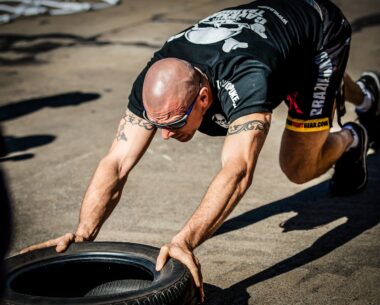

Full-Body Functional Fitness Challenges to Boost Endurance
Functional fitness is not just a trend but a practical approach to training that enhances your ability to perform daily activities. Among various functional fitness challenges, those focusing on full-body workouts are exceptionally beneficial for improving overall endurance. These workouts utilize compound movements that engage multiple muscle groups, promoting increased strength and stamina. Emphasizing functional exercises, including squats, lunges, push-ups, and planks, helps develop the muscles necessary for everyday tasks. Integrating these into your routine provides a robust framework to boost physical performance. Training consistently also encourages improved cardiovascular health, flexibility, and balance, all essential elements for functional fitness enthusiasts. Consider joining a community or fitness class to enhance motivation, pushing you to reach higher levels of endurance. With accountability and shared goals, these classes optimize your workout experience, making fitness both challenging and enjoyable. Functional fitness challenges are ideal for individuals at any skill level. By assessing your current abilities and progressively increasing challenges, you will find a challenging yet rewarding way to improve endurance and overall fitness, preparing you for any physical activities.
Engaging in Circuit Workouts
Circuit workouts offer an excellent way to incorporate full-body functional fitness challenges into your routine. These workouts typically include a sequence of exercises performed back-to-back with minimal rest, maximizing efficiency and intensity. Not only do they target multiple muscle groups, but they also elevate your heart rate, enhancing cardiovascular endurance. Consider structuring your circuit with exercises like kettlebell swings, box jumps, and battle ropes, which require coordination and strength. Training in circuits allows for a time-efficient ability to work out various body parts while improving endurance. You can adjust the number of rounds and exercises to match your fitness level, keeping the routine both engaging and challenging. This format encourages variety, ensuring that workouts never become stale, which is essential for motivation. The dynamic nature of circuit workouts helps prevent overuse injuries frequently associated with repetitive exercises. Additionally, the competitive aspect of completing circuits against personal bests or others can further fuel your motivation. Remember to include a proper warm-up and cool-down in your circuit sessions to facilitate recovery and prevent injury, ensuring a balanced approach to fitness.
Incorporating varied movements within your full-body functional fitness challenges is crucial for preventing plateaus. Utilizing tools like resistance bands, dumbbells, or medicine balls can add diversity to your workouts. Each of these tools provides unique challenges that require different stabilization, which can enhance core strength and overall endurance. For example, performing single-leg deadlifts while holding a dumbbell promotes balance and coordination, essential traits for stability in everyday actions. Similarly, medicine ball slams can offer explosive training while engaging multiple muscle groups, increasing your power output. By including plyometric movements, you can improve the quickness and effectiveness of your muscle contractions, directly impacting your endurance levels. Schedule a variety of exercises during your training week to ensure balanced development and avoid stagnation. Periodic assessments of your progress can also help identify areas needing focus or improvement. Regularly adjust your functional fitness challenges to maintain interest and motivation. Staying committed to your routine, combined with increased challenges, will lead to noticeable advances in both endurance and overall physical fitness.
Strength and Conditioning for Endurance
Engaging in strength and conditioning routines designed for endurance is critical in functional fitness training. These routines not only emphasize building strength but also enhancing your body’s energy systems for prolonged activities. Incorporating exercises that boost muscular endurance, such as lighter weights with higher repetitions, aids in adapting your muscles to fatigue better. Compound movements like deadlifts and overhead presses can complement your endurance training when performed correctly. This training enhances the muscles’ ability to sustain prolonged physical activity, which is crucial for feats requiring both strength and endurance. Moreover, pairing strength exercises with cardiovascular work creates a comprehensive approach to fitness, targeting all energy systems. Plyometrics, sprint intervals, and high-intensity interval training (HIIT) can accompany strength sessions, effectively pushing your cardiovascular limits while improving overall efficiency. Adequate recovery is essential after these demanding workouts, allowing your body to adapt and grow stronger for the future. Emphasizing rest days, hydrating adequately, and maintaining a balanced diet further support your training goals. By focusing on strength and conditioning, you’ll be better prepared for functional fitness challenges, improving endurance and performance in everyday activities.
The role of nutrition in supporting your functional fitness endeavors cannot be understated. A well-balanced diet is essential to fuel your energy needs and support recovery after intensive workouts. Consuming a mix of macronutrients—carbohydrates, proteins, and fats—will help optimize your performance and endurance. Carbohydrates provide energy essential for endurance activities, while proteins repair and build muscle tissue. Healthy fats also contribute significantly to sustained energy levels during prolonged exercise periods. Planning meals and snacks around your training schedule can further enhance your performance. Eating nutrient-dense foods containing a variety of vitamins and minerals will support overall health and resilience. For those engaged in functional fitness challenges, ensuring hydration is equally vital—drink enough water before, during, and after your workouts. Additionally, incorporating electrolytes post-activity helps replenish minerals lost through sweat, supporting optimal recovery. Periodically evaluating your nutritional intake can help identify areas for improvement, ensuring that you are meeting your energy needs. Collaborating with a nutritionist can provide further guidance, particularly if you have specific performance goals. Together with a structured fitness regimen, proper nutrition maximizes your endurance and capabilities, setting you on a path to success.
Tracking Progress and Setting Goals
To effectively improve your endurance in functional fitness challenges, tracking progress and setting realistic goals is vital. Regular assessments will provide insights into your capabilities, helping to identify strengths and weaknesses within your approach. Progress tracking could be achieved through various methods, including taking records of repetitions, duration, or weights lifted during workouts. This data helps inform future training decisions, ensuring that routines are both challenging and attainable. On the other hand, setting SMART goals—Specific, Measurable, Achievable, Relevant, Time-bound—ensures your objectives are well-defined and motivating. For example, aiming to increase a squat repetition count within a specified time period is a precise goal that can act as a key motivator. Moreover, celebrating small achievements along the way keeps your spirits high and enhances determination to pursue ongoing goals. Leverage training apps to support your tracking efforts, as they can provide valuable feedback on your performance. By employing these strategies, you can enhance your endurance systematically, pushing through barriers and achieving increased levels of fitness, paving the way to conquer challenging functional fitness challenges.
In summary, incorporating various full-body functional fitness challenges into your training regime can significantly boost endurance. Engaging in circuit workouts, strength and conditioning exercises, and varying workout modalities holds great potential for improvement. A holistic approach, including proper nutrition, hydration, and progress tracking, is essential to creating the foundation necessary for sustained fitness gains. By focusing on your overall health and fitness goals, you can develop a more functional and effective workout plan tailored to your needs. Remember, dedication and consistency are vital components of any successful training program. Embracing these challenges not only enhances physical performance but also fosters mental resilience and confidence. As you learn to push through your limits, you’ll find that each challenge becomes an opportunity for growth. Embrace the journey toward better endurance and overall fitness, relishing every step along the way. Functional fitness challenges are not just about enhancing physical capability but also improving quality of life. Ultimately, may your journey through functional fitness be rewarding, entertaining, and full of personal bests and triumphs.