
Exploring Different Spiritual Traditions for Mental Wellness
Mental health is increasingly recognized as a crucial aspect of overall well-being. Many individuals seek alternatives to conventional therapies, and spirituality is one avenue receiving significant attention. Various spiritual traditions contribute to mental wellness, offering diverse practices and philosophies. For example, Buddhism emphasizes mindfulness and meditation, which can reduce stress and promote emotional stability. Techniques such as mindful breathing help individuals become present, effectively managing anxiety. Similarly, Christianity encourages prayer, fostering a connection to a higher power that can provide comfort and guidance during tough times. Engaging with spiritual texts can lead to personal revelations that enhance one’s understanding of self and purpose. On the other hand, Indigenous spirituality often centers on community and nature, offering holistic approaches to healing through rituals and storytelling. Each tradition provides unique insights, enriching practitioners’ mental wellness journeys. Exploring these spiritual practices can empower individuals to discover methods that resonate with their personal beliefs. Thus, spiritual traditions offer a vast array of tools for supporting mental health, elevating emotional balance and psychological resilience in varied ways.
The Role of Mindfulness in Buddhism
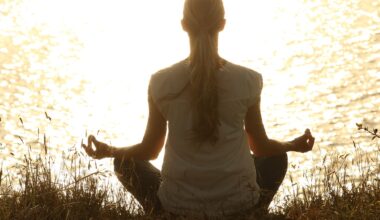
Central to Buddhism is the concept of mindfulness, a practice designed to increase awareness and presence. Through mindfulness meditation, individuals learn to focus on each moment, acknowledging thoughts, feelings, and sensations without judgment. This method helps foster emotional resilience and clarity, thus reducing anxiety and depression. Techniques such as the body-scan meditation allow one to tune into physical sensations, revealing insights into stress-related areas. By cultivating this awareness, practitioners can identify triggers and respond thoughtfully rather than react impulsively. The application of mindfulness extends beyond meditation into daily life, encouraging individuals to engage with their experiences fully. Incorporating mindfulness into routine activities, whether eating or walking, deepens one’s connection to the moment. Furthermore, research has shown that practicing mindfulness can enhance neural functions associated with emotional regulation. Buddhist teachings stress compassion towards oneself and others, promoting a sense of connectedness. This compassion cultivates positive qualities, empowering individuals to develop healthier relationships. Therefore, integrating mindfulness into daily routines offers significant mental wellness benefits, guiding practitioners toward emotional balance and supportive well-being.
In Christianity, the practice of prayer serves as a vital component for mental wellness. Prayer provides a channel for communication with a higher power, offering solace during turbulent times. This spiritual practice can foster a sense of hope and belonging, essential for maintaining positive mental health. Individuals often feel empowered through prayer, as it encourages introspection and personal growth. Many find comfort in written prayers and biblical verses, which can inspire feelings of peace and safety. Additionally, shared prayers within faith communities create connections that combat loneliness. These community bonds often provide added support during life’s challenges. Moreover, prayer can cultivate gratitude, prompting individuals to reflect on positive aspects of life. This shift in perspective promotes a hopeful outlook, reducing anxiety and fostering resilience. Regular prayer can also lead to improved mental clarity, as focusing on spiritual concerns helps alleviate burdensome thoughts. The integration of prayer into daily life offers profound psychological benefits, enabling practitioners to confront life’s difficulties with faith and trust. Thus, it can play a fundamental role in enhancing one’s mental well-being sustainably and effectively.
Indigenous Spirituality and Holistic Healing
Indigenous spirituality encompasses a range of beliefs and practices deeply connected to nature and community. This perspective on mental wellness emphasizes holistic healing, recognizing the interconnectedness of body, mind, and spirit. Storytelling, rituals, and community gatherings serve as critical methods in fostering mental resilience and emotional stability. Through these practices, individuals find strength in their cultural heritage and connect with ancestors, providing a sense of identity. Nature plays a significant role in Indigenous healing; many traditions view the environment as a sacred source of knowledge and comfort. Practices such as nature walks or gathering plants for ceremonies enable individuals to reconnect and heal through natural elements. Additionally, collective rituals help build community bonds, supporting individuals during difficult times. Sharing experiences within a community fosters empathy, validation, and understanding, essential for mental wellness. Another crucial aspect is the emphasis on gratitude and respect towards nature, which cultivates a positive mindset. By embracing these spiritual practices, Indigenous spirituality offers unique mental wellness approaches that honor culture while promoting healing and resilience, emphasizing the importance of community in personal well-being.
African traditional spirituality often highlights communal healing methods through collective rituals and practices. These communal activities focus on fostering a sense of belonging and support, essential for good mental health. Traditional healers play a central role in guiding individuals through challenges via communal ceremonies. These gatherings create an environment where individuals can share their experiences and establish supportive networks. Additionally, African spirituality emphasizes the importance of ancestral connections, allowing individuals to draw strength and wisdom from their lineage. Many rituals aim to honor ancestors, reinforcing the notion that communal assistance exists beyond the physical realm. Such practices encourage kinship and love, promoting emotional stability. Music, dance, and storytelling often accompany these rituals, enhancing the healing process, reducing stress, and fostering joy. The belief in the interconnectedness of all life forms also promotes understanding and respect for oneself and others. By embracing these diverse spiritual traditions, individuals can cultivate mental wellness through community support, cultural identity, and shared healing practices. Ultimately, these rich spiritual traditions offer unique insights and methods to foster well-being across various cultures.
Christian Meditation and Contemplative Practices
In Christian traditions, meditation serves as a tool for deepening one’s relationship with God. This practice encourages contemplative reflection, allowing individuals to explore their thoughts and feelings in the presence of the divine. Techniques such as lectio divina involve meditative reading of scripture, prompting spiritual insights and personal revelations. By focusing on spiritual texts, practitioners can find guidance and comfort, ultimately enhancing mental stability. Regular engagement in meditation cultivates a peaceful mindset, critical for emotional resilience. Various forms of contemplative prayer focus on silence, providing a spiritual space for individuals to listen and connect. The discipline of contemplative practices encourages individuals to slow down, fostering greater awareness of their internal landscapes. Moreover, participating in communal meditation within faith groups nurtures connections, contributing to an enhanced sense of belonging and support. Christian meditation not only promotes individual mental wellness but also strengthens community ties. The integration of these practices into daily life fosters peace, gratitude, and spiritual growth. Therefore, Christian meditation and contemplation offer valuable strategies for achieving mental wellness, enhancing both individual and collective spiritual experiences.
As individuals explore various spiritual traditions for mental wellness, it becomes essential to recognize the common themes that resonate across cultures. Practices such as mindfulness, prayer, community rituals, and connection with nature carry significant potential for enhancing mental health. Engaging with these traditions encourages individuals to cultivate self-awareness, emotional resilience, and deeper connections to others. Additionally, many spiritual practices foster a sense of purpose and belonging, which are essential for psychological well-being. The transformative power of spirituality can help individuals navigate through life’s challenges with grace and strength. As one becomes more attuned to their inner selves, they can foster healthier relationships and make conscious choices that promote well-being. Embracing diverse spiritual traditions can facilitate personal growth and transformation, enriching one’s mental health journey. Individuals can explore different practices without the pressure to conform to a single belief system. This encourages a personal connection to spiritual practices that resonate with their values and experiences. In conclusion, integrating these various spiritual approaches can create a customized path toward enhanced mental wellness, leading to a fulfilling and balanced life.