
Developing a Personalized Exercise Plan to Combat Anxiety
Anxiety disorders can significantly impact daily life, but developing a personalized exercise plan can help alleviate symptoms. Exercise has a profound effect on mental health by releasing endorphins and reducing stress. First, it’s essential to consult with a mental health professional to understand the specific anxiety disorder present and its requirements. Following the assessment, one should identify personal preferences in physical activities, as enjoyment enhances adherence to the exercise regimen. It might include activities like jogging, swimming, or even yoga, all of which are effective. Moreover, incorporating a blend of cardiovascular exercises, strength training, and flexibility workouts can create a balanced routine. For example, engaging in aerobic activities, such as running or cycling, may improve mood and decrease anxiety levels. Assessing one’s current fitness level is equally vital in crafting a feasible plan. Finally, consistency is key; setting realistic goals and scheduling workouts can promote persistence. Regular reviews of the plan ensure that it remains suitable, adapting as necessary based on progress and changes in anxiety levels. The synergy of customized exercise and mental health support can significantly improve the quality of life.
Establishing a regular exercise routine ideally becomes a part of daily life. Prioritizing physical activity can help foster a sense of control over anxiety symptoms. When designing an exercise plan, it’s important to set achievable goals, starting with shorter sessions and gradually increasing duration and intensity. For instance, one might begin with 20 minutes of brisk walking three times a week and then escalate to longer sessions as comfort grows. Additionally, incorporating mindfulness practices such as meditation or controlled breathing within the exercise can amplify relaxation effects, making workouts more beneficial for anxiety. Engaging in team sports or group classes also fosters social connections, reducing feelings of isolation commonly experienced with anxiety disorders. Furthermore, accessing resources like fitness apps and community centers can provide guidance and motivation. Peers can offer companionship, encouragement, and accountability in making exercise a consistent part of the routine. Evaluating progress can also provide motivational boosts and adjustments where necessary, ensuring the plan remains relevant. Understanding that setbacks are a normal part of the journey allows individuals to maintain perspective when facing challenges. A consistent focus on an individualized approach is essential for success.
The Role of Mind-Body Exercises
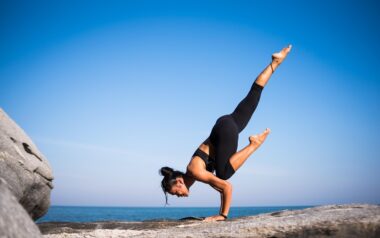
Mind-body exercises, such as yoga and tai chi, play a vital role in managing anxiety. These practices blend physical movement, controlled breathing, and meditation to create a comprehensive strategies that promote relaxation and mindfulness. Choosing a mind-body exercise might depend on personal comfort and accessibility. Classes for yoga and tai chi can typically be found at local gyms, community centers, or through online platforms, making it easier to integrate into a weekly routine. Additionally, these exercises help in increasing body awareness, which can reduce anxiety by fostering a sense of grounding and presence. Engaging in regular sessions allows participants to develop coping mechanisms that can be applied outside of practice, particularly during stressful times. Evidence suggests yoga contributes positively to mood improvement, while tai chi enhances emotional resilience. Maintaining an open mindset towards these practices is crucial since the benefits may not emerge immediately. Keeping a practice journal can also aid in tracking emotional changes through the incorporation of these exercises. By regularly evaluating personal progress, one can better appreciate the positive transformations in anxiety management through dedicated mind-body practices.
Nutrition also plays a crucial role alongside exercise when addressing anxiety disorders. A balanced diet nurtures overall well-being, affecting both mental and physical health. Incorporating whole foods such as vegetables, lean proteins, and whole grains can provide the necessary nutrients that support brain function. On the other hand, reducing processed foods high in refined sugars and unhealthy fats can be beneficial. Studies indicate that excess sugar can lead to fluctuations in mood and energy levels, potentially exacerbating anxiety symptoms. Importance should also be placed on adequate hydration, as dehydration might contribute to poor concentration and fatigue. Additionally, consuming omega-3 fatty acids found in fatty fish has shown promising effects in reducing anxiety. It can help regulate neurotransmitters that play essential roles in mood stabilization. Keeping a food diary might also encourage mindful eating practices; this awareness can reveal how certain foods affect emotions and anxiety levels. Combining good nutrition with physical activity creates a powerful synergy that promotes mental resilience. Regular meal planning and preparation simplifies the process and fosters consistency, ultimately enhancing one’s capacity to manage anxiety effectively.
The Importance of Rest and Recovery
Adequate rest and recovery are often overlooked yet critical factors in managing anxiety disorders. Physical exercise places stress on the body, and providing proper recovery time helps prevent burnout and maintains motivation. Establishing a sleep routine that supports restorative sleep is essential; sleep enhances mood regulation and cognitive clarity, both vital for combating anxiety. Striving for seven to eight hours of quality sleep each night should be prioritized. Creating a calming bedtime routine involving activities such as reading or meditative practices can significantly improve sleep quality. Moreover, incorporating rest days into the exercise plan is equally crucial, allowing muscles to recover and rejuvenate. On rest days, gentle activities like walking or stretching can keep the body active without placing additional strain. Listening to one’s body is key; when fatigue or stress arises, recognizing the need for recovery can prevent further complications. Additionally, practicing relaxation techniques like progressive muscle relaxation or deep breathing exercises during recovery periods can further enhance mental resilience. Overall, combining proper rest, recovery, and self-care routines supports sustained engagement in exercise, ultimately promoting better management of anxiety symptoms.
Incorporating support from family and friends can greatly enhance the effectiveness of a personalized exercise plan. Social support is a powerful motivator when striving towards health-related goals, especially for individuals managing anxiety disorders. Sharing fitness goals with loved ones can foster a sense of accountability, increasing commitment to the exercise routine. Whether joining group fitness classes or simply suggesting fun outdoor activities, mutual encouragement fosters a positive atmosphere conducive to progress. Additionally, family members can provide valuable feedback that can assist in tweaking the plan to better suit individual needs. Creating an inclusive environment, where friends join in on physical activities, offers opportunities for deeper social interactions while reducing feelings of isolation. Utilizing technology, such as fitness apps that allow shared goals, can also keep individuals engaged and connected. In-person and online communities can provide specialized support and motivation tailored for anyone dealing with anxiety. Overall, building a support network emphasizes the importance of collaboration in achieving exercise goals, fostering resilience while making the journey enjoyable. A united approach can significantly bolster and promote overall mental health through personalized fitness plans.
Reviewing and Adjusting the Plan
Finally, regularly reviewing and adjusting the personalized exercise plan is essential for ongoing anxiety management. People’s needs, preferences, and circumstances often change, so flexibility is critical in maintaining an effective routine. Setting up monthly evaluations gives one the opportunity to assess goals achieved and re-evaluate current strategies. A journal can be beneficial to document feelings, motivation levels, and physical progress during workouts. Noting experiences can reveal patterns that require attention or adjustment. When reviewing, consider both successes and challenges; celebrating small victories provides motivation, while learning from setbacks reinforces resilience. Moreover, accessing fitness professionals or mental health experts can offer valuable insights into necessary changes. Staying informed about new exercise trends can also introduce fresh, engaging activities to the routine, preventing monotony. Trying new classes or sports can rekindle enthusiasm, ensuring that exercise remains enjoyable. Incorporating feedback from the support network strengthens commitment to the plan, and openness to change can yield better mental health outcomes. A personalized exercise plan must remain a living document, evolving alongside the individual for optimal anxiety management success.