
Designing a Postpartum Fitness Plan Around Your Sleep Patterns
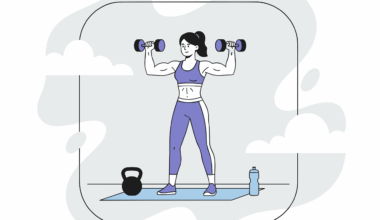
Creating a postpartum fitness plan tailored to your sleep patterns is crucial for recovery and overall health. New parents often experience disrupted sleep, and understanding how to work around this can optimize fitness results. To begin, assess your current sleep situation, noting when you feel most rested and energetic. Pay attention to your body and how it reacts to varying levels of sleep, modifying your fitness routine accordingly. Incorporating flexibility into your schedule serves to accommodate those unpredictable sleep patterns, allowing for workouts that energize you instead of depleting your reserves. Utilize lighter activities, such as yoga or walking, when you’re feeling fatigued, rather than pushing through high-intensity workouts. Small, frequent bursts of activity can be effective while respecting your body’s need for recovery after childbirth. Additionally, consider setting goals that align with achievable sleep schedules. You must regularly evaluate your fitness plan based on sleep quality changes. Just remember that consistency is more essential than intensity during this period of your postpartum journey. Prioritizing your wellness includes recognizing and adapting to your sleep needs.
Nutrition plays an integral role in both sleep quality and fitness recovery. To enhance your postpartum experience, focus on a balanced diet rich in nutrients that promote restful sleep. Foods containing magnesium, such as leafy greens and nuts, can support relaxation and better sleep. Additionally, try incorporating healthy fats from sources like avocados and fish, as they can influence both mood and physical performance positively. Avoid high-sugar and highly processed foods; they can lead to energy crashes that negatively impact your sleep. Hydration is also crucial; drinking sufficient water throughout the day helps maintain energy levels and supports recovery. Establishing a routine around meal times can significantly benefit both sleep and fitness recovery. Consider preparing meals in advance to ensure you have access to nutritious options, even on chaotic days. Encourage meals that fit into your daily routine and do not require intense effort. When nourishing your body adequately, you will likely find it easier to fall asleep and wake up feeling refreshed. It’s essential to listen to your body, adjusting meal times based on your activity level and sleep quality.
The Importance of Breathing Techniques
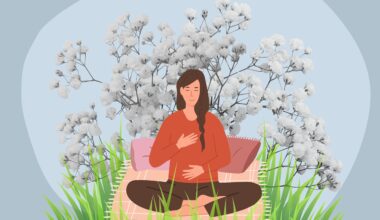
Another essential aspect of a postpartum fitness plan revolves around breathing techniques. Learning to control your breath can significantly enhance your fitness recovery while positively impacting sleep quality. Deep, diaphragmatic breathing exercises are essential for managing stress and anxiety, conditions commonly experienced by new parents. Integrating breathing exercises into your daily routine can promote relaxation and a sense of calm during particularly stressful moments. Additionally, practicing these techniques before workouts can prepare your body for physical activity. They can help establish mindfulness, allowing you to focus on your body and its needs throughout exercise. Moreover, proper breathing can improve oxygenation during workouts and accelerate recovery by reducing muscle fatigue. Aim for at least five minutes of dedicated breathing exercises each day, concentrating fully on the breath entering and exiting your body. Techniques such as inhaling for a count of four, holding for a count of four, and exhaling for a count of four can be particularly effective. Establishing such mindfulness practices can call attention to your physical condition. They provide tools to manage fatigue experienced due to sleep deprivation.
Establishing a nighttime routine can drastically improve both sleep quality and overall fitness recovery. This routine should serve as a signal to your body that it’s time to wind down, preparing it for rest. Create a calming pre-sleep ritual that may involve taking a warm bath, reading, or engaging in light stretching. Limiting screen time before bed also contributes to better sleep quality, as blue light emitted by devices can disrupt the body’s natural circadian rhythm. Instead, dedicate the hour leading up to bedtime for relaxing activities. If possible, designate specific hours for sleep to create consistency and regulate sleep patterns. Consistency in sleep routines can significantly affect how you feel when waking up, thus impacting the overall effectiveness of your fitness plan. It can help maintain energy levels throughout the day, making it easier to incorporate workouts into your schedule. Moreover, tracking your sleep patterns can provide insights into how your fitness routine affects your quality of rest. Utilize apps or journals to monitor sleep, activity levels, and overall wellness. This valuable information can guide adaptations to your postpartum fitness strategy.
Incorporating Gentle Movement
As you navigate your postpartum journey, gentle movement can be particularly useful in balancing sleep and fitness recovery. Activities such as walking, stretching, and gentle yoga promote circulation and muscle recovery without putting undue stress on your body. These exercises also allow for greater flexibility in timing and duration, accommodating unpredictable daily life with a newborn. Aim for at least 30 minutes of gentle movement each day, ideally spread throughout your day. This regular movement not only enhances your physical health but does wonders for mental well-being, helping to alleviate feelings of stress and anxiety associated with new parenting. Listen to your body, allowing it to dictate your pace and intensity as you gradually build strength and endurance. It’s vital to regain confidence in your body after childbirth, and gentle movement can foster a positive relationship with physical activity. Moreover, incorporating movement together with your baby, such as during strolls or playful floor activities, can enhance bonding experiences, encouraging deeper nutritional and fitness lifestyle changes overall. By aligning gentle movement with your sleep schedule, you create a sustainable approach to fitness post-baby.
Rest is an integral component of fitness recovery, especially in the postpartum phase. Recognizing the importance of naps or quiet moments during the day can significantly aid your recovery. These short rests can alleviate fatigue, allowing your body to recharge between workouts. Whenever possible, coordinate your rest periods with your baby’s sleep schedule to maximize recovery opportunities. Consider utilizing a comfortable sleeping environment that promotes relaxation, allowing both you and your baby to feel at ease. Avoid packing your day with unnecessary tasks; instead, prioritize self-care moments to rebuild your energy reserves. Integrating short stretching sessions during your downtime can also be beneficial, helping to keep your muscles relaxed while providing mental clarity. Experience decreased tension in your body while supporting postpartum recovery. Effective recovery isn’t merely about working out; it also hinges on adequate rest. Over time, as your sleep quality improves and physical activity levels increase, your body will adapt, making it easier to manage both fitness and daily responsibilities as a new parent. Listen to your body’s cues and adapt your level of activity accordingly.
Staying Connected with Supportive Communities
Engaging with supportive communities is a vital aspect of establishing a successful postpartum fitness plan. Connecting with other new parents or fitness professionals can provide encouragement and motivation, fostering a conducive environment for recovery. Support groups, both online and offline, share experiences and advice about navigating fitness challenges while managing sleep issues effectively. Participating in group workouts can also serve as a social outlet, making exercise more enjoyable while establishing bonds with others who understand your journey. Engaging with social media platforms can foster connections to others on the same path, offering a sense of camaraderie. Finding local fitness classes designed specifically for new parents can create opportunities for relationship-building, as well as introduce you to skilled instructors who can provide valuable insights. Whether through social media, forums, or community events, nurturing relationships with supporters can challenge you to stay committed to your fitness routine while promoting wellness. Shared goals can create a sense of accountability that allows you to prioritize fitness among other responsibilities. This collaborative effort becomes an essential aspect of your postpartum fitness journey and overall recovery.
Lastly, be kind to yourself during this postpartum phase. Acknowledging that self-care and fitness levels will evolve over time is essential. It’s normal to face fluctuations in energy and motivation, making it vital to remain patient during weeks of adjustment. Embrace the fact that every parent’s journey is unique, and comparisons can be harmful. Focus instead on personal progress and celebrate small victories that contribute to your overall well-being. As you navigate challenges, remember that every step you take toward enhancing your fitness and sleep quality is worthwhile. Continue to adjust your plans based on your body’s feedback and levels of rest. By setting realistic expectations, you pave the way for sustainable improvements in both your sleep and physical health. Promote self-love and acceptance as you adapt to this new chapter of life, cultivating a nurturing relationship between your physical activity, sleep patterns, and everyday parenting experiences. You deserve to feel your best while caring for your little one. A well-rounded postpartum fitness plan aligned with your unique sleep patterns can provide an essential foundation for lasting health and resilience.