
Breath Exercises to Overcome Performance Anxiety
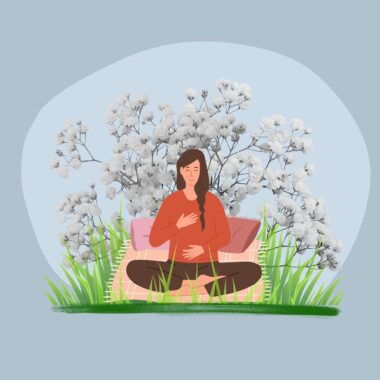
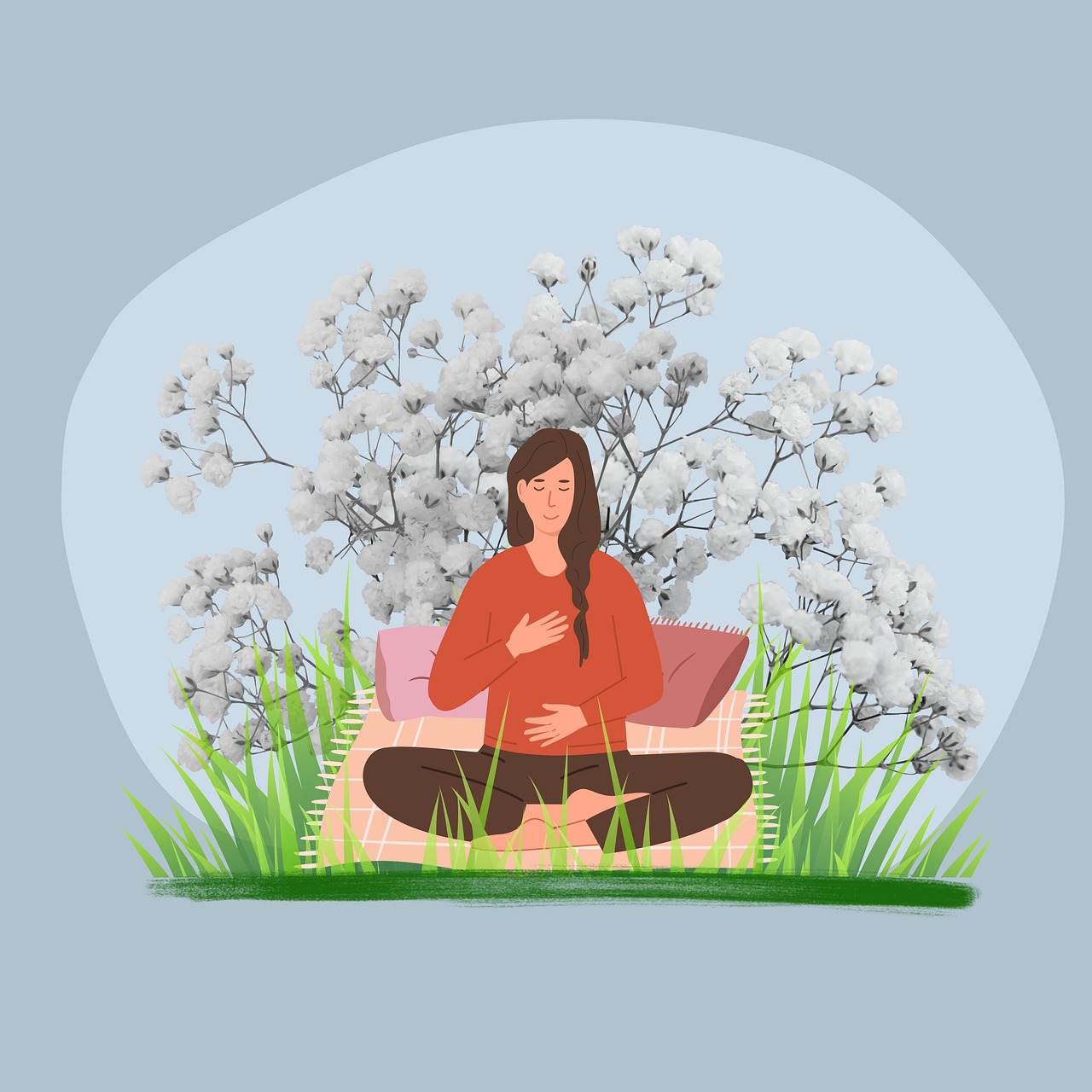
Performance anxiety is a common issue among vocalists, manifesting as nervousness that hinders vocal prowess. To combat this, incorporating specific breathing techniques can significantly enhance comfort and performance. Proper breath control ensures a steady flow of air, allowing singers to maintain pitch and volume. One effective exercise involves keeping your posture aligned, shoulders relaxed, and focusing on diaphragmatic breathing. Start by inhaling deeply through your nose, allowing your abdomen to expand, then exhale slowly through pursed lips. This practice not only calms nerves but also strengthens vocal control. Additionally, visualizing a calming scene while breathing can further center your mind. Practicing these techniques regularly helps performers to feel more grounded. Utilizing breath exercises daily might not only lower anxiety but also positively influence your overall vocal delivery. Lastly, it is crucial to remember that anxiety is a common experience. Embracing it as part of performance may empower you rather than hold you back. Therefore, make these breathing exercises part of your warm-up routine, transforming vulnerability into a powerful tool for your performance.
Transitioning from anxiety management to actual performance involves understanding how breath can affect your sound. The way you breathe correlates directly with vocal clarity. For example, practicing breath intake as if sipping through a straw encourages specific muscle engagement that stabilizes your tone. By integrating low breathing techniques, you enhance both your vocal and emotional delivery. Try inhaling deeply while imagining your breath rising through your body, creating expansive space in your chest. Following strong inhalations with extended exhalations allows for longer phrases with more stability. Pairing these techniques with vocal exercises strengthens control. To achieve cleaner, more resonant sounds, vocalists should utilize singing scales while consciously applying these breathing methods, ensuring comfort and confidence. Always remember that practice will lead to refinement over time. Encourage yourself to repeat these exercises until they feel natural. In moments of performance, maintaining focus on breath intake and controlling the exhale will alleviate pressure and allow artistic expression to flourish. These strategies not only prepare you physically but mentally for on-stage experiences. Consistent practice builds a solid foundation that will transform performance anxiety into a source of empowered artistry.
In addition to structured exercises, consider incorporating mindfulness and relaxation techniques into your preparation routine. One highly effective method is progressive muscle relaxation, where you systematically tense and then relax each muscle group. Starting with the feet, work your way up to the neck and shoulders, finally ending with your face. This not only reduces physical tension but also heightens self-awareness and control of breathing. Following this, shift your focus to the breath. Inhale slowly through the nose for a count of four, hold it for four, and exhale through the mouth for a count of six. Practicing this cycle several times can enhance bodily awareness and create a calming rhythm that you can rely on in anxious situations. Also, by creating a safe, quiet space before performing, you can mentally prepare yourself. Think of this environment as a sanctuary to practice your breath exercises. The consistent application of these techniques builds an arsenal of strategies to manage performance anxiety effectively. Regardless of your skill level, incorporating these breathing techniques will prove beneficial and allow you to thrive on stage.
Regular Practice
Regularly practicing breath exercises in various environments is integral for developing consistency and reliability. Not only should these exercises be part of your warm-up, but they can also be practiced in different settings, such as during your commute or while relaxing at home. This two-fold approach creates familiarity, making it easier to access these strategies when anxiety flares up during performance. Consistent practice helps form muscle memory, reinforcing the connectedness of breath control to vocal quality over time. Through routine engagement with these exercises, you also cultivate an intuitive response to anxiety, allowing you to shift your focus from stress to mastery. Furthermore, vocalists can pair breath exercises with actual singing practice, establishing a comprehensive regimen that promotes both technical skills and emotional resilience. Integrating mindfulness with these practices can significantly enhance the overall experience. Lastly, regularly revisiting breath techniques ensures you can call upon them in critical moments, particularly when faced with performance anxiety. The goal is to intertwine these practices into your daily routine, leading to profound improvements not just in vocal performance but also in personal confidence.
Finally, taking the time to reflect on your singing journey can reinforce the connection between breath and performance. Journaling about your experiences provides insight into your emotional landscape, illuminating patterns of anxiety. Consider noting when and where anxiety arises, as this knowledge can inform your future practices. Combining your findings with breathing exercises allows for targeted improvement. Engaging with a vocal coach or taking part in group sessions can also provide valuable feedback and foster accountability. Many find comfort in a communal setting; sharing these experiences can mitigate the feelings of isolation often associated with performance anxiety. Structured group exercises focused on breath control can create a safe space for exploration. As you share strategies with peers, you exchange valuable insights. Furthermore, viewing live performances, either as a participant or audience member, allows you to observe breath control in action. Such experiences can inspire and solidify your determination to overcome anxiety. In closing, embracing your unique voice through breath work creates a pathway to liberation from anxiety, ultimately enhancing your passion for performance.
Seeking Help
If performance anxiety continues to significantly interfere with your vocal pursuits, seeking professional guidance is crucial. A certified vocal coach can assist in tailored exercises and techniques, specifically addressing your areas of struggle. Therapists and counselors adept in performance anxiety treatment can provide strategies like cognitive behavioral therapy, which targets underlying thoughts contributing to anxiety. This collaboration creates a supportive environment for personal growth and improved performance. Incorporating breathing techniques into these wellness journeys reassures artists of their potential to connect deeply with their audience. Moreover, sharing your story with trusted friends or mentors can lighten the burden of anxiety. Surrounding yourself with an affirming support system nurtures resilience, confidence, and self-expression. Workshops and performance clubs dedicated to vocalists encourage participation in a judgment-free zone, empowering individuals to experiment with their voices. Witnessing the shared struggles of fellow performers can foster community knowledge and motivation. Simultaneously, consider engaging in mindfulness apps or classes that offer guided breathing exercises. The incorporation of routine meditation significantly enhances focus and emotional well-being. Through these various avenues, seeking professional help can act as a catalyst for overcoming performance anxiety.
The journey to overcoming performance anxiety is a blend of practicing breathing techniques, seeking guidance, and cultivating resilience. Through proper breathing and a deeper understanding of your vocal capabilities, you can create a strong foundation for success. Visualization and mindfulness further enrich your practice, promoting a holistic approach to performance. As you engage with structured relaxation techniques and take time for self-reflection, you discover powerful methods to face anxiety head on. Remember, the more you familiarize yourself with your breath, the more control you gain over your voice. As a result, you emerge as a more confident performer, ready to share your artistry with the world. Besides working on your technical skills through regular exercise, emotional and psychological healing is essential for long-term growth. Establishing a nurturing community and continuing to document your experiences aids in maintaining perspective. In light of all these strategies, remember that performance anxiety is not failure but rather part of the journey. Embracing it as an ally fosters connection with your audience. With commitment and practice, you possess the tools to shape anxiety into a powerful ally in your vocal endeavors.
As you embark on this journey of vocal empowerment, remain patient with yourself. Understand that mastery of these techniques takes time and persistence. Integrate the suggested breathing exercises into your repertoire, testing their effectiveness in various situations. Adjust your practice according to your specific emotional landscape, learning from experiences as they come. Be open to ongoing self-discovery and growth; performance anxiety can serve as a catalyst for deeper exploration of your capabilities. Create a consistent practice routine that both integrates breathing exercises and builds your vocal skills. This rich foundation allows you to harness your breath’s full potential, regardless of performance demands. Utilize visualization techniques to prepare your mind and body before stepping on stage. These strategies work in tandem, reinforcing your vocal and emotional delivery, vital for capturing your audience’s attention. Lastly, don’t hesitate to celebrate your victories, no matter how small. Each performance can be considered growth, a stepping stone in your artistic journey. By building on these experiences collectively, you create a sustainable path toward overcoming performance anxiety and nurturing your artistic expression.