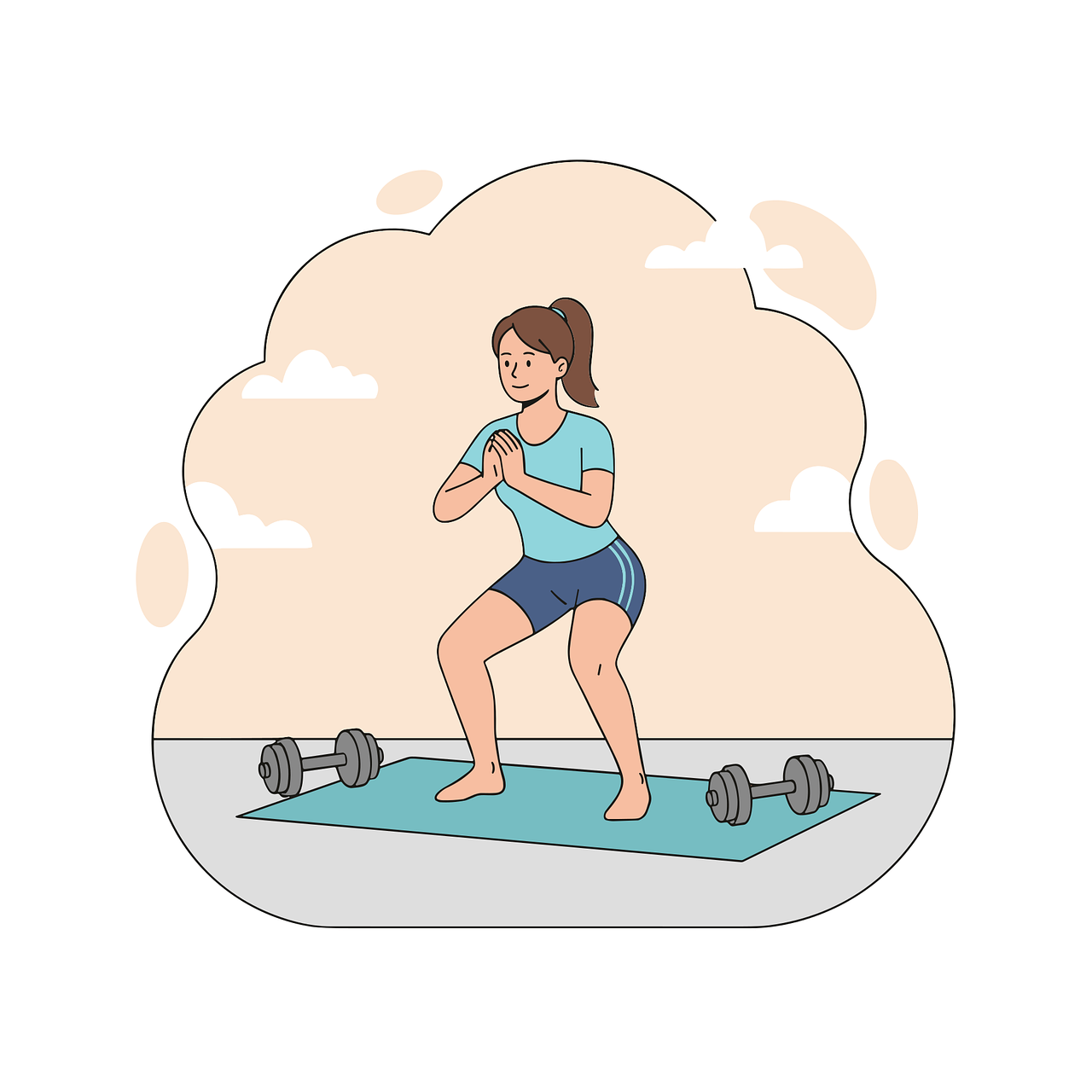

Bodyweight Upper-Lower Split Workouts for At-Home Training
When it comes to at-home training, bodyweight exercises offer a versatile and effective solution for fitness enthusiasts. Upper-lower split workouts allow for targeted muscle group engagement, maximizing your time and effort. The beauty of bodyweight exercises lies within their accessibility; no gym equipment is necessary, making them perfect for all fitness levels. Plus, they can be performed anywhere, ensuring you never miss a workout. To start, focus on basic movements like push-ups, squats, and planks. These exercises build strength while ensuring proper form, which is crucial for avoiding injuries. Ideally, plan your routine with upper body workouts on one day and lower body on another. This approach enhances recovery and muscle growth. Setting clear goals, such as increasing repetitions or shorter rest periods, can keep you motivated. Consider integrating additional variations of each exercise to challenge yourself progressively. For instance, add a decline to your push-ups or elevate your heels during squats. Tracking your improvements over time can be incredibly rewarding, reinforcing your commitment to staying active and healthy. Lastly, remember to warm up properly to prepare your body for these workouts.
Nutrition plays a pivotal role in optimizing bodyweight workouts, enhancing results significantly. After engaging in upper-lower split routines, your body requires proper nutrients to repair and grow muscles. Focus on protein-rich foods such as chicken, fish, or legumes, complementing them with healthy fats and a variety of colorful vegetables. Maintaining a balanced diet can fuel your workouts effectively, providing you with the energy needed to perform at your best. Hydration is equally important, as water regulates body functions and helps maintain energy levels. Consider a post-workout shake to restore lost nutrients quickly. This recovery food can help inflame muscles and keep soreness at bay, allowing for consistent workouts without disruptions. To further enhance your nutrition, keep track of what you eat; this practice aids in refining your diet accordingly. Additionally, involve meal-prepping in your weekly schedule. Preparing healthy snacks and meals can prevent impulsive eating choices, ensuring you always have nutritious options available. Stay informed about portion control, which directly affects your performance and body composition. Lastly, consistent evaluation of your nutrition approach is key to maximizing the benefits from your workout regimen.
Warm-Up and Cool-Down Techniques
A proper warm-up routine is essential to prepare your body for upper-lower split workouts. Without adequate preparation, you might risk injuries or suffer from decreased performance. Start with dynamic stretches, focusing on major muscle groups involved in your routine. Incorporating movements like arm circles, leg swings, and torso twists can elevate heart rates and increase blood flow to your muscles. Aim for at least five to ten minutes of warm-up activities before proceeding with your workout. Following your training session, cooling down is equally crucial. This phase allows your heart rate to gradually return to a normal pace and helps prevent muscle stiffness. Static stretches post-workout are effective; hold each stretch for about 20 to 30 seconds. Consider focusing on the major muscle groups you trained, ensuring that they receive adequate attention. Stretching also promotes flexibility, which can greatly enhance your performance over time. Additionally, incorporating practices like foam rolling can alleviate muscle tightness and soreness. Remember, the effort you invest in warming up and cooling down positively correlates with your overall workout success, positioning you for better results.
Designing a balanced upper-lower split workout requires attention to exercise variety and muscle engagement. Allocate specific exercises to target different muscle groups effectively. For instance, during upper body days, integrate exercises such as push-ups, dips, pull-ups, and variations. For your workout scheme, aim for three to four sets of 8 to 15 repetitions based on fitness levels. Similarly, during lower body days, exercises like squats, lunges, glute bridges, and calf raises must be incorporated to fully engage these muscles. It’s equally vital to ensure you’re not overworking the same muscle groups over consecutive days. Permitting suitable recovery time is essential for muscle growth and to minimize fatigue. Consider alternating between upper and lower workouts every other day, allowing each muscle group ample time to recover. Keep your weekly routine engaging by switching exercises, intensities, or the order of your workouts. This variability can keep boredom at bay and challenges your muscles differently. Furthermore, as you progress, don’t hesitate to modify your repetitions, sets, or tempo to elevate your workout intensity. Tracking your performance can guide these adjustments accordingly.
Incorporating Cardio into Your Routine
Cardiovascular exercises are complementary to upper-lower split workouts, supporting overall health and enhancing endurance. Integrating cardio routines can boost your metabolism and help in fat loss while preserving muscle mass built through strength training. The American Heart Association recommends at least 150 minutes of moderate exercise or 75 minutes of vigorous activity each week. Select activities that you enjoy, from jogging, jumping jacks, or even dance workouts, to ensure consistency. Combine short bursts of high-intensity interval training (HIIT) sessions into your routine for optimal results. This approach can keep your heart rate elevated while promoting fat burning efficiently. Implement cardio exercises following your strength sessions or on alternate days for balance. However, remember to listen to your body; recovery days are essential, particularly if you feel fatigued. Engaging in low-impact options like walking or cycling can offer benefits while allowing your muscles to recover. Additionally, maintaining a fun atmosphere during cardio can increase your performance; consider inviting a friend to join your sessions. Ultimately, your combined cardio and strength training transition will contribute to a well-rounded fitness regime.
Rest is a critical element often overlooked in workout programs. For those following an upper-lower split routine, sufficient recovery time is vital for muscle growth and preventing burnout. Muscles rebuild and strengthen during rest periods. Consequently, consider having at least one or two rest days per week to facilitate recovery, especially after intense workouts. During these rest days, engaging in light activities such as walking, yoga, or gentle stretching can help maintain movement without straining your muscles. Quality sleep is another cornerstone for optimal recovery as it directly affects energy levels and hormone regulation. Aim for seven to nine hours of sleep each night to ensure your body heals and prepares for your next workout regime. Monitoring how you feel during workouts can also help identify signs of overtraining. Signs such as persistent fatigue, irritability, or declining performance indicate that your body needs extra care. Lastly, don’t hesitate to adjust your workout intensity or volume in response to how your strength evolves. Embrace the balance between rest and exercise to support your journey towards a healthier lifestyle.
Tracking Your Progress
Monitoring your progress is vital in maintaining motivation throughout your bodyweight workout journey. Take the time to document your workouts, noting down exercises performed, repetitions, and sets completed. Tracking these details allows for insightful analysis of your performance and identifies areas needing improvement. Recording progress also adds objective measurements, giving a clear perspective on how far you’ve come. Various mobile applications can assist in tracking your performance, offering an accessible platform for logging workouts. However, a simple notebook can also suffice for those preferring a traditional approach. Set specific attainable goals to enhance motivation; achievable milestones provide confidence and a sense of accomplishment. Celebrate the small victories along the way, recognizing improvements in strength, endurance, or flexibility. Additionally, periodic assessments can offer insight into your progress, revealing whether workouts need modifications. Consider testing your maximum number of repetitions for exercises like push-ups or squats at regular intervals. Lastly, don’t hesitate to adjust your routine based on your progress; adaptability ensures you remain engaged and challenged while pursuing your fitness journey.
Bodyweight upper-lower split workouts can be an excellent solution for anyone, including busy individuals and those participating in fitness programs for the first time. The combination of strength and cardio offers numerous health benefits, including enhanced metabolism, weight management, and improved overall fitness. With consistent commitment and proper execution of exercises, these routines can lead to noticeable transformations, both physically and mentally. Additionally, consider engaging with online fitness communities for support and inspiration, especially if you’re training at home. Many online resources provide guided workout sessions, tips, and motivation to maintain accountability. Leveraging these platforms can enhance the effectiveness of your routine, fostering a positive training environment. As you discover the better you through bodyweight exercise, enjoy the process and remain patient with your results. Remember, fitness is a journey, and everyone’s journey varies in duration and experience. The ultimate goal is to develop a sustainable routine that you enjoy, transforming your approach to health. Share your successes and learnings with friends, encouraging a supportive community surrounding fitness. This comprehensive mindset towards your workout approach will progress you toward achieving your health and fitness aspirations.