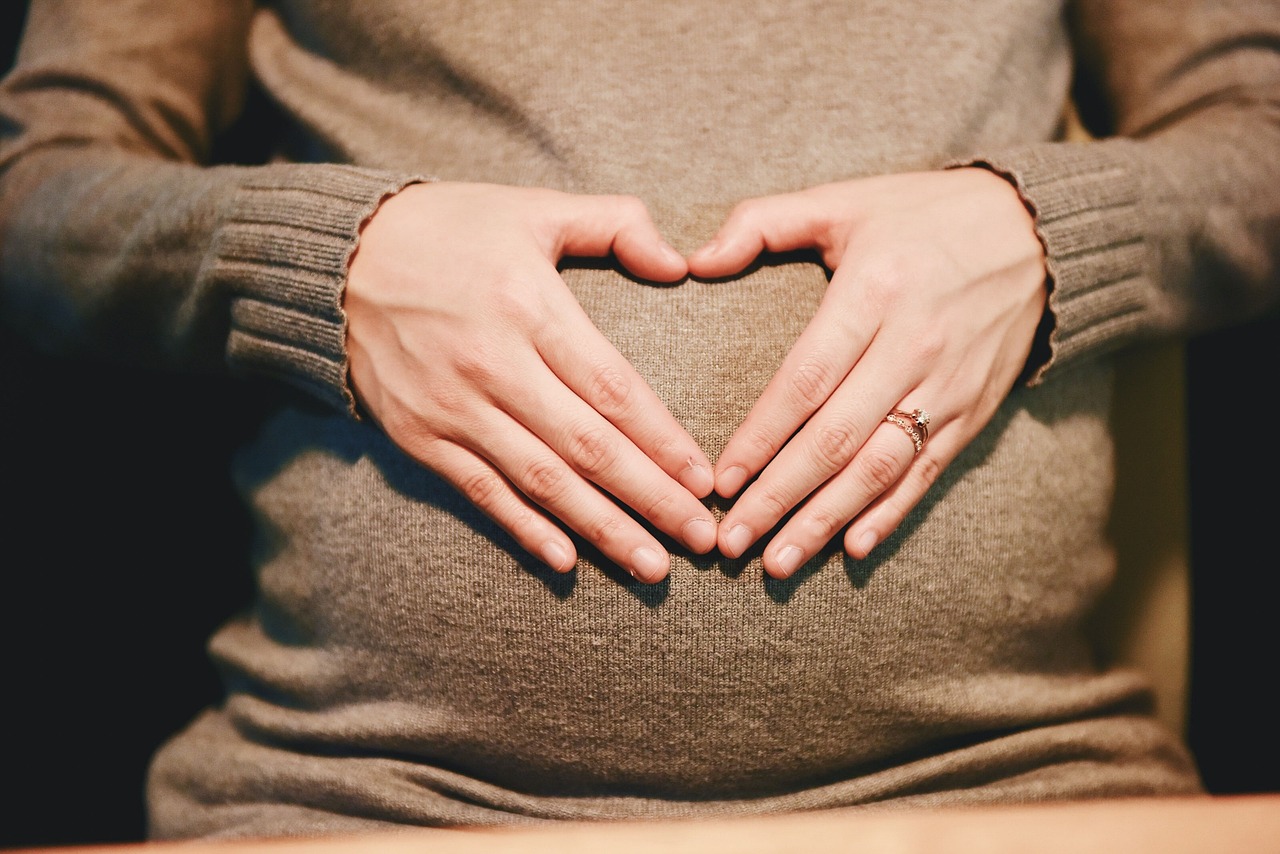

Balancing Macronutrients for Optimal Fetal Growth in Vegetarians
During pregnancy, vegetarians need to ensure they consume a balanced diet rich in essential macronutrients. This includes adequate protein, carbohydrates, and fats for proper fetal development. Protein is vital for building tissues and organs and should come from diverse sources like lentils, beans, and tofu. Carbohydrates provide energy, which is crucial, especially during the later stages of pregnancy when energy demands increase. Healthy fats, particularly Omega-3 fatty acids, are essential for brain development and can be obtained from flaxseeds, walnuts, or algae-based supplements. Moreover, it’s important for vegetarians to pay close attention to their vitamin intake, focusing on B12, iron, and calcium, which might be lacking in non-meat diets. Consuming a variety of whole grains, fruits, vegetables, nuts, and seeds ensures a comprehensive nutrient profile. Regular consultations with healthcare providers can help in monitoring dietary adequacy. This proactive approach helps guarantee that both mother and fetus receive the nutrition necessary for optimal health outcomes. Thus, vegetarians can have a healthy pregnancy with proper macronutrient awareness and dietary choices.
In addition to macronutrients, micronutrients play a fundamental role in supporting a healthy pregnancy for vegetarians. Folic acid is critical in reducing neural tube defects and should be obtained from leafy greens and fortified grains. Iron is essential for blood production and preventing anemia. Vegetarians can boost their iron levels by including lentils, chickpeas, and fortified cereals in their diet. To enhance iron absorption, pairing these foods with vitamin C-rich options like oranges or bell peppers is beneficial. Calcium is crucial for fetal bone health and can be sourced from fortified plant-based milk, leafy greens, and almonds. Regularly consuming these micronutrients ensures both the mother’s and baby’s needs are met during this pivotal growth phase. Pay attention to zinc and vitamin D levels; these are critical in immune function and overall health. Using fortified foods and possibly supplements can help fill any dietary gaps. A complete and balanced vegetarian diet, enriched with essential vitamins and minerals, contributes significantly to a healthier pregnancy experience for vegetarians and their developing babies. Always consult with a healthcare professional to tailor the dietary plan according to individual needs.
Meal planning is an effective strategy for vegetarians to ensure they meet their nutritional requirements during pregnancy. Preparing well-balanced meals in advance ensures nutrient diversity and minimizes the risk of opting for unhealthy convenience options. Pregnant individuals can try creating a meal schedule that incorporates various protein sources each day to facilitate diverse nutrient intake. For instance, one day could feature a brown rice and lentil bowl, while another may include chickpea curry with quinoa. Snacks also play a crucial role in sustaining energy levels throughout the day. Healthy snack options like nuts, hummus with carrots, or smoothie bowls contribute additional nutrients without excess calories. It’s also important to explore new recipes that revolve around vegetarian ingredients. Vegan and vegetarian cookbooks or online platforms offer a wealth of recipes that cater specifically to pregnant women’s needs. This culinary exploration not only makes dietary adherence enjoyable but also educates about incorporating different food groups. Overall, proper meal planning ensures that vegetarians consume adequate nutrients while also easing the everyday pressures related to cooking during pregnancy.
The Importance of Hydration
Alongside meal planning, maintaining proper hydration is essential for vegetarians during pregnancy. Adequate fluid intake aids the digestion and absorption of nutrients, impacting both maternal and fetal health positively. Water consumption should be prioritized, but various hydrating options such as herbal teas and fresh fruit juices can also contribute to fluid intake. It is advisable to limit caffeine and sugary beverage consumption due to potential adverse effects. Staying hydrated can alleviate common discomforts like swelling and constipation, which are prevalent during pregnancy. Moreover, water also aids in maintaining healthy amniotic fluid levels, crucial for fetal development. To enhance hydration, adding slices of lemon or cucumber can make plain water more appealing. Tracking daily fluid intake can keep hydration levels on point, as pregnancy can change individual needs. Pregnant vegetarians should be especially mindful of recognizing their body’s hydration signals while ensuring they consume enough fluids throughout the day. In summary, hydration plays a pivotal role in supporting a healthy pregnancy, and integrating a variety of fluid sources can enrich the overall diet.
Physical activity, when incorporated appropriately, can have numerous benefits for vegetarians during pregnancy. Regular exercise helps in maintaining optimal weight gain and improves mood and energy levels. Low-impact activities such as walking, swimming, or prenatal yoga can be excellent choices, promoting flexibility and strength during this transformative period. However, one must take care to choose exercises that are safe and comfortable; this varies from person to person. Consulting healthcare providers for personalized exercise recommendations is strongly encouraged. Furthermore, staying active can combat some common pregnancy ailments such as back pain and fatigue, enhancing overall well-being. Exercise during pregnancy can also improve sleep patterns, helping mothers-to-be to rest better while managing stress levels. A well-rounded routine should include cardiovascular workouts, strength training, and relaxation techniques. Finding a supportive community, perhaps online or in local groups, can further motivate pregnant vegetarians to remain active and share resources. In conclusion, when aligned with dietary adjustments, maintaining an active lifestyle significantly influences physical and emotional health during pregnancy.
Supplement Consideration for Vegetarians
Even with a balanced vegetarian diet, supplements may still be necessary to meet specific nutritional needs during pregnancy. Common supplements for vegetarians include vitamin B12 and iron, both of which might be challenging to obtain solely from a plant-based diet. Pregnant women particularly need increased folic acid to prevent birth defects, and this can be consumed through supplements or fortified foods. Omega-3 fatty acids are critical for fetal brain development, and plant sources might not suffice. Thus, choosing algae-based DHA supplements can effectively bridge that gap. Maintaining reliable health assessments, regularly reviewing vitamin and mineral levels, can help determine if additional supplements are necessary. Expecting mothers should engage in discussions with healthcare practitioners to identify and start supplements based on individual dietary practices. Such conversations ensure comprehensive support and guidance tailored to meet both the mother’s and baby’s nutritional requirements. Proper supplementation, when in alignment with diet, cultivates optimal health outcomes during pregnancy, helping vegetarians navigate the nutrition landscape more easily.
The journey of vegetarianism during pregnancy can be rewarding yet challenging, necessitating balanced nutritional practices. By focusing on macronutrient balance, hydration, meal planning, and, when necessary, supplements, pregnant vegetarians can foster optimal growth and development for their babies. Addressing specific dietary concerns and sticking to a thoughtfully constructed eating plan can help manage energy levels and prevent deficiencies throughout the trimesters. Collaborative planning with healthcare professionals and nutritionists is essential in supporting informed food choices. This collaborative approach enables personalized guidance for expectant mothers navigating their vegetarian diets. Online resources and communities provide invaluable connections for information and support, fostering a sense of camaraderie among pregnant individuals who share similar dietary choices. Embracing the vegetarian lifestyle during pregnancy can offer unique experiences and opportunities to explore creative culinary options. The excitement of nourishing their bodies and babies can empower expectant mothers, transforming pregnancy into a fulfilling journey. Ultimately, a combination of knowledge, creativity, and support can enable pregnant vegetarians to thrive and foster a healthy environment for their growing families.