
Using Heart Rate Monitors to Maximize Bootcamp Efficiency
Heart rate monitors are pivotal tools in maximizing the efficiency of bootcamp training. Utilizing these devices allows trainers and participants to have real-time data, which empowers them to gauge the intensity of workouts accurately. With this technology, individuals can easily track their heart rates and ensure they are exercising within the appropriate target zones. Adhering to the right intensity can optimize fat burning and enhance cardiovascular fitness effectively. The use of heart rate monitors also benefits trainers significantly by providing insights into each participant’s exertion levels. Adjustments can be made to the training sessions based on real-time feedback to ensure everyone gets the most out of their workouts. These devices can also help identify overexertion, reducing the risk of injuries that can arise from training too intensely without adequate recovery. Furthermore, heart rate monitors can facilitate a sense of accountability among participants. They can share and compare their data, fostering a community environment that motivates individuals to push each other toward their fitness goals. Overall, integrating heart rate monitors into bootcamp training can lead to more structured, effective, and safer workout sessions.
Moreover, the data provided by heart rate monitors can enhance training adaptations. By analyzing the heart rate data over time, both trainers and participants can see improvements in cardiovascular capacity and how their body responds to workouts. Optimizing the training load becomes much more feasible, as individuals can understand their limits better. For example, monitoring heart rate variability can reveal when a participant is ready for more intense sessions or when they need to take a rest day. This knowledge contributes to improved performance over time, showing consistent progress. Additionally, recovery times can be tracked, allowing individuals to see how quickly they can return to their baseline heart rate after intense sessions. Integrating continued assessments of heart rates makes it easier to make informed adjustments to training programs. This approach aids in preventing plateauing, keeping workouts engaging and challenging. Beyond personal fitness, heart rate monitors can drive community aspects of bootcamp training. Participants often find motivation in seeing collective improvements in endurance and fitness, strengthening communal bonds among attendees. Heart rate monitoring is not just a fitness tool; it serves as a cornerstone for effectiveness and progress.
Understanding Heart Rate Zones
A critical component of using heart rate monitors effectively is understanding heart rate zones. These zones typically include resting, fat-burning, aerobic, anaerobic, and maximum heart rate zones. Each zone corresponds to a specific range of heart rates at which the body uses different energy resources and metabolic pathways. For bootcamp participants, knowing these ranges can help tailor their workouts to meet specific fitness goals, whether it be weight loss, endurance improvement, or increasing muscle mass. Training in the fat-burning zone encourages the body to utilize stored fat for energy, which is essential for weight loss. Conversely, the anaerobic zone is where participants push their limits, enhancing stamina and performance. Being aware of these zones can boost motivation in a bootcamp setting, as participants strive to achieve specific targets within their sessions. Trainers can also utilize heart rate variability data to structure workouts around these zones, ensuring each session effectively challenges the body in different ways. This targeted approach ensures participants have a clear understanding of their progress and strive to make improvements in their performance through focused training.
Furthermore, heart rate monitors encourage the practice of interval training within bootcamp settings. Interval training, which alternates between periods of high and moderate intensity, can lead to accelerated fitness improvements. Using the data from heart rate monitors, participants can pinpoint when to increase intensity significantly and when to scale back for recovery. This method is highly effective for maximizing calorie burn and improving overall endurance. Additionally, trainers can design their bootcamp sessions to include structured intervals, promoting a more engaging and dynamic environment. Participants may find the variety of drills and intensity levels energizing, making them less prone to boredom and maintaining higher engagement throughout the workout. Incorporating this type of training, enhanced by heart rate monitoring, enables bootcamp trainers to assess the effectiveness of the routines. They can analyze heart rates to determine what intervals yield the best results. Moreover, participants themselves enjoy witnessing improvements in heart rate recovery times post-workout, a clear indicator of enhanced fitness levels. Tracking these metrics fosters a competitive and supportive atmosphere within bootcamp classes.
Encouraging Accountability Among Participants
Accountability is a vital aspect that heart rate monitors bring to bootcamp training. When participants wear these devices, they may be more inclined to stay committed to their workout goals and push themselves during sessions. Seeing real-time data can spur individuals to aim for certain heart rate zones and strive for personal bests. Additionally, by sharing heart rate data with fellow participants, bootcamp members can foster a spirit of camaraderie and motivation. Friendly competition often arises as people seek to outperform one another, pushing boundaries and enhancing results. Trainers can utilize group discussions around data insights to strengthen understanding and knowledge about training methodologies. This collaborative environment encourages open communication and support among participants as they work towards their fitness objectives. Personal trainers can also use shared results for additional motivation, setting challenges based on the data collected. Furthermore, accountability extends beyond gym walls, as individuals can monitor their performance outside of bootcamp sessions. With smartphone applications that sync to heart rate monitors, participants can track their workouts and heart rate data throughout the week, complementing their bootcamp efforts with daily practices.
Adopting heart rate monitors also creates an inclusive training environment within bootcamp classes. Participants often come from various fitness backgrounds and levels. Heart rate data allows everyone to train at their own pace while still being part of a collective experience. By focusing on personal heart rates rather than merely the speed of exercise, individuals can ensure that their workouts are effective. This fosters a sense of equality within sessions, as participants learn that progression is personal and not a race against others. Trainers can group participants based on heart rate levels during specific drills, adjusting exercises to ensure everyone gains the most from their time. This method of training places individual fitness at the forefront while maintaining an energetic group atmosphere. Further, reducing the emphasis on competition removes barriers that might deter newcomers, as their unique journey can be respected. Thus, embracing technology like heart rate monitors ultimately creates a more encouraging and positive bootcamp experience for all involved, ensuring participants feel supported in their development.
Choosing the Right Heart Rate Monitor
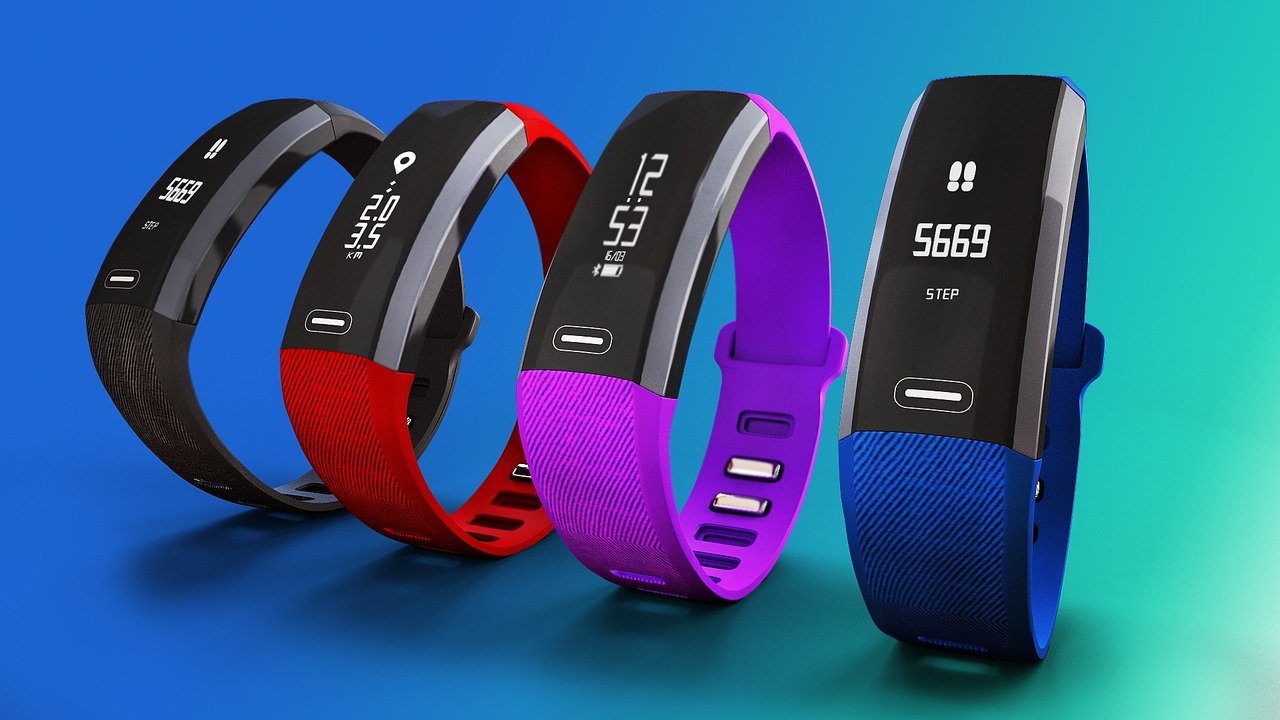
Selecting a suitable heart rate monitor is crucial for maximizing benefits in bootcamp training. Various options are available, ranging from wrist-based monitors to chest straps. Each comes with its advantages and drawbacks. Wrist-based models are generally more comfortable and suitable for casual users, while chest straps often offer more accurate readings, especially during intense workouts. Educating participants on the different types can lead to informed choices, ensuring everyone finds their perfect match. In particular, those with specific goals, such as performance monitoring or recovery tracking, may prefer more advanced options. An ideal monitor should also have compatibility with smartphones and fitness apps, facilitating easier tracking. The data synchronization feature enables users to collect, analyze, and share their performance over time, allowing for continuous improvement. Additionally, wearables with built-in GPS can provide distance tracking, further enhancing training sessions that include outdoor activities. Ultimately, the right heart rate monitor can become an indispensable tool for any bootcamp participant. By carefully considering features and personal preferences, individuals can enhance their training effectively and safely.
In conclusion, leveraging heart rate monitors in bootcamp training provides multiple advantages to participants and trainers alike. The technology offers unique insights into heart rate zones, accountability, and tailored workout creation, making classes both effective and enjoyable. Tracking heart rates leads not only to personal growth but also fosters a supportive and motivating community. Trainers gain the capability to assess and refine programs based on real-time feedback, optimizing fitness experiences for individuals. This innovative approach to training encourages safe exercise while also making it more engaging and competitive when appropriate. By understanding their bodies, participants can achieve better results and witness improvements over time. Heart rate monitors, thus, serve as essential tools in maximizing bootcamp efficiency. Their impact stretches beyond the classes, empowering individuals to continue their fitness journeys with dedication and focus outside the bootcamp environment. Finally, as technology evolves, incorporating these devices into training routines will likely become standard practice. Those who adopt these measures now will set themselves up for success, transforming the bootcamp experience for everyone involved.