
Swimming and Its Impact on Postpartum Sleep Quality
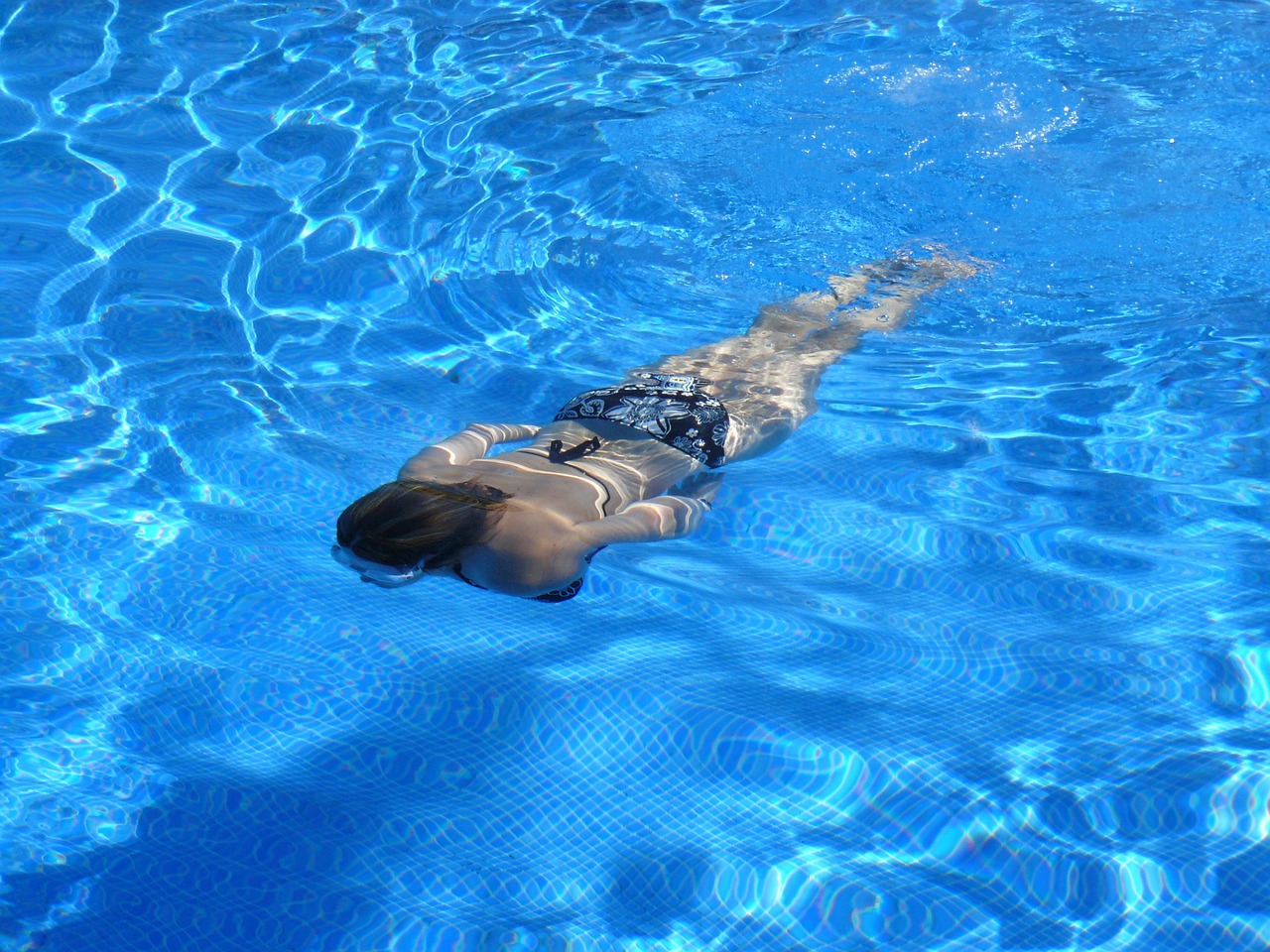
Postpartum sleep issues are incredibly common among new mothers, often including disturbances and difficulties. Hormonal changes, combined with the demands of caring for a newborn, contribute to this phenomenon. Engaging in physical activities like swimming has been shown to have positive effects on physical and mental health. Swimming provides a low-impact workout option, which can be specifically beneficial for postpartum moms recovering from childbirth. It enables improved circulation and can help alleviate symptoms of postpartum depression. Additionally, bringing in a routine of progressive swimming can enhance overall fitness, ensuring energy levels are replenished rather than depleted. Many new moms report that swimming becomes a perfect way to bond with their babies while enjoying some relaxation in the water. This activity not only promotes physical health but can also encourage a sense of community and support when done in a group setting. Thus, water exercises could potentially improve sleep quality by reducing anxiety and promoting emotional well-being, leading to a more restful nighttime experience for mothers. Establishing this vital connection between exercising and sleep can contribute enormously to postpartum recovery.
One major factor influencing sleep quality for postpartum mothers is the presence of stress. High stress levels can lead to longer sleep onset times, frequent awakenings, and reduced restful periods. Swimming, being a relaxing and enjoyable activity, serves as a perfect counterbalance to the stresses associated with new motherhood. As release of endorphins occurs during and after exercise, the body may find relief, reducing anxiety and promoting mental clarity. Furthermore, regular swimming can instill a sense of accomplishment, which often translates to increased self-esteem. Improved self-esteem can reduce feelings of helplessness and anxiety, which are common after childbirth. Participating in swim classes designed for postpartum mothers not only ensures safety, but also fosters social connections that can alleviate feelings of isolation. This social interaction plays a role in enhancing overall mood and emotional stability. Moreover, floating in water serves as a gentle method for relieving muscle tension from caring for a newborn. This alleviation of tension can lead to better relaxation and improved sleep. Therefore, incorporating a swimming routine can not only improve physical well-being but also enhance emotional resilience during postpartum recovery.
The Benefits of Swimming for Postpartum Mothers
Swimming provides a unique set of benefits for postpartum moms looking to enhance their sleep quality. It is a full-body workout that engages various muscle groups while minimizing the risk of injury. Low-impact exercises like swimming can be highly beneficial for postpartum recovery, as they are gentle on joints that might still be healing. Incorporating swimming into a regular routine can help enhance cardiovascular fitness, which is important for energy and overall well-being. Ensuring proper hydration while swimming can further augment the restorative effects and combat fatigue. Additionally, being in water allows for more comfortable movements and less strain on the body compared to other exercise forms. New mothers can develop a swim routine that allows them to focus on their breath as well, fostering relaxation and mindfulness. Breathing techniques associated with swimming can also improve lung capacity and oxygen circulation. This mindfulness can result in reduced cortisol levels, thus promoting better sleep. Overall, the physical and mental effects of swimming create a synergistic relationship that aids sleep quality while supporting postpartum healing and wellness.
Incorporating swimming into a postpartum fitness regimen is not merely limited to swimming laps. Gentle water aerobics, for example, provide an excellent way to enhance fitness without imposing excessive strain on the recovering body. These classes often offer guidance from qualified trainers who specialize in postpartum fitness. They teach movements and exercises that focus on core stability, which is crucial in regaining strength and posture after childbirth. Engaging in group classes further promotes a sense of camaraderie among new moms. Additionally, community support can help ease feelings of loneliness during the early weeks of motherhood. Water-based classes often include aspects of relaxation and mindfulness, enhancing the mental well-being of participants. This aspect is vital in today’s fast-paced world, especially for new mothers who may feel overwhelmed. Furthermore, integrating swimming with consistent and quality sleep routines offers powerful synergy in promoting holistic health. By encouraging a routine that balances exercise with sleep hygiene, mothers can experience a shift in their mental and emotional outlook. Hence, it’s essential for postpartum mothers to explore various swimming options available to create a tailored approach that resonates with their lifestyle.
Setting Realistic Swimming Goals
Establishing realistic swimming goals post-delivery is crucial for new mothers. Setting achievable targets can help in maintaining motivation while building a balanced fitness routine. This process begins with understanding individual body changes and recovery needs. For most, it’s essential to listen to their bodies and recognize when it’s appropriate to resume swimming after childbirth. Consulting with a healthcare provider can provide clarity on the right timing and techniques for swimming. Goals may include starting with gentle water exercises, working toward longer swimming sessions, or gradually increasing the distance swum. Keeping swimming sessions short initially allows mothers to focus on quality over quantity, ensuring a fulfilling experience. Tracking progress can also provide encouraging feedback, enhancing motivation as mothers start seeing improvements in their fitness levels. Celebrate small milestones, whether achieving a specific stroke or spending more time in the water. Always remember that progress may be slow but is vital for overall health. Thus, postpartum swimming becomes a positive routine that encourages longevity in health and wellness while positively impacting sleep quality and lifestyle.
Another aspect of swimming that benefits postpartum sleep quality is its connection to regular routines. Establishing a consistent schedule for swimming can cultivate a reliance on routines, which many postpartum mothers find reassuring. Engaging in daily activities that develop predictability often leads to improvements in mental clarity. It is also important to synchronize swimming with the baby’s schedule, allowing mothers to find moments of peace in chaos. Additionally, swimming at set times creates positive conditioning of both body and mind, signaling when it is time to relax. Taking time for oneself in this manner can have significant repercussions on overall energy levels and emotional well-being. Emphasizing the mindfulness element in swimming can strengthen the therapeutic effects, providing an opportunity for meditation through movement. Moreover, gentle stretching and relaxation exercises can be incorporated before and after swimming. This practice helps to unwind the body and mind, setting the stage for a good night’s sleep. Understanding how swimming nurtures a mindfulness practice can foster better sleep hygiene while prioritizing self-care during the stressful postpartum period.
The Importance of Community in Postpartum Swimming
Community plays an essential role in enhancing the overall experience of postpartum swimming. Many mothers feel isolated after childbirth, and joining a class can mitigate that sense of loneliness. Being part of a group fosters a supportive environment where women can share experiences, challenges, and triumphs. This camaraderie can enhance motivation, driving mothers to stay committed to their fitness routines. An empowered group supports one another both emotionally and physically, offering encouragement during challenging workouts. Beyond social benefits, communal swimming can also include classes that incorporate therapy techniques, enhancing both emotional and physical healing. Participating in such classes can reinforce the understanding that shared experiences foster resilience and connection. Similarly, these community-driven initiatives can serve as a platform for advice, tips, and resources regarding postpartum recovery. New moms can exchange essential information about sleep hygiene, nutrition, and wellness strategies. This collaborative spirit not only improves the quality of swimming experiences but also enhances sleep through stress alleviation and shared knowledge. Ultimately, building a swimming community provides endless opportunities for motivation and growth in navigating motherhood and fitness.
Lastly, well-curated swimming programs specifically designed for postpartum moms contribute to enhancing sleep quality. These programs consider the unique needs of new mothers, addressing physical recovery and emotional resilience. They ensure the presence of qualified instructors who understand postpartum considerations. Safety becomes paramount, as education on techniques for effective swimming after childbirth is necessary. Learning how to engage core muscles effectively while swimming can lead to greater strength, which is critical during recovery. Moreover, having a structured program creates clear pathways to achievement, making it easier for women to gauge their progress. Personalized guidance combined with insights from peer support forms the basis for meaningful personal growth. Making swimming an adaptive activity allows postpartum women to meet their individual goals. Hence, sustained participation in structured swimming programs can yield long-term benefits regarding sleep quality and overall health. The positive ripple effects of incorporating such practices harbor emotional and physical well-being, along with improved relationships between mothers and their children. Through understanding and fostering the critical impact of swimming, new mothers can navigate their postpartum journey with confidence and wellness.