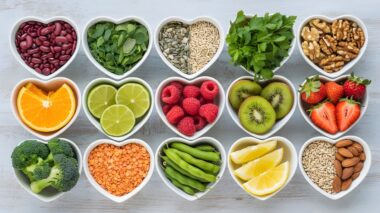

Managing Gestational Diabetes Through Diet
Gestational diabetes mellitus (GDM) occurs during pregnancy and requires careful management, particularly through diet. The primary goal is to manage blood sugar levels effectively, ensuring both maternal and fetal health. Diet plays a crucial role; women diagnosed with GDM need to adopt an organized nutritional regimen. Focus should be on consuming low-glycemic index foods which promote gradual glucose absorption and prevent spikes in blood sugar. Meals high in fiber, such as whole grains, legumes, and vegetables, should be prioritized. These foods not only stabilize blood sugar but also support overall health during pregnancy. It is equally important to monitor carbohydrate intake throughout the day. This means balancing meals and snacks to maintain optimal blood glucose levels. Additionally, keeping hydration levels balanced is vital in managing GDM. Women should aim for hydration through water as much as possible while limiting sugary drinks. Consulting with a registered dietitian can help create an individualized meal plan that meets nutritional needs. By adhering to these dietary strategies, pregnant women with GDM can achieve healthy outcomes for themselves and their babies, paving the way for a smooth delivery and postpartum recovery.
Understanding how various foods impact blood sugar is crucial for managing gestational diabetes successfully. A wholesome diet plays a significant role in controlling glucose levels and ensuring that they remain within a safe range. Pregnant women with GDM should prioritize the consumption of complex carbohydrates found in whole grains like brown rice, quinoa, and oats. Alongside this, including lean proteins such as chicken, turkey, and plant-based protein sources can contribute to stable blood sugar levels. Healthy fats should also be part of the diet; avocados, nuts, and olive oil can help maintain satiety while providing essential nutrients. Portion sizes are critical, and women diagnosed with GDM must be mindful of the quantity of each food group consumed at every meal. Frequent, smaller meals throughout the day can prevent large fluctuations in blood glucose. Furthermore, it is advisable to include various types of fruits and vegetables, focusing on those with lower sugar content, such as berries and leafy greens. Closing the gap between learning about food, glycemic responses, and everyday eating is essential to managing GDM effectively, ensuring both maternal and fetal health during this critical time.
The Importance of Meal Planning
Meal planning becomes essential when managing gestational diabetes to ensure balanced nutrition and controlled blood sugar levels. By planning meals ahead of time, pregnant women can make intentional choices that align with their dietary goals. This proactive approach reduces the likelihood of impulsive eating decisions that could lead to elevated blood glucose levels. Including a variety of food groups in meal plans ensures a more comprehensive intake of necessary vitamins and minerals. To achieve this goal, focusing on a balanced plate structure is beneficial: filling half with non-starchy vegetables, a quarter with lean proteins, and a quarter with complex carbohydrates. Additionally, setting up meal prep days can simplify the process, allowing for healthy options to be readily accessible. It’s also helpful to incorporate snacks into the plan, like a small handful of nuts or Greek yogurt, to stabilize blood sugar between meals. By utilizing meal planning effectively, pregnant women can take charge of their nutrition and manage gestational diabetes. Regularly revisiting and modifying meal plans keeps meals exciting and aligned with personal health needs during this unique period of life.
Making healthy snack choices between meals is essential for managing gestational diabetes effectively. Snacks play a crucial role in maintaining stable blood sugar levels, providing necessary energy, and ensuring adequate nutritional intake. When selecting snacks, prioritize unprocessed, whole food options that contain a combination of protein, healthy fats, and fiber. Examples of these nutrient-rich snacks include apple slices with almond butter, hummus with carrot sticks, or a small serving of trail mix. It is essential to choose low glycemic index snacks, which tend to have a more favorable effect on blood sugar. Additionally, being mindful of portion sizes ensures snacks are satisfying without being excessive. Establishing a routine of healthy snacking can prevent overeating during main meals and effectively regulate blood sugar levels. Understanding when cravings strike can help in planning ahead for those moments. Engaging in snack preparation can also be a fun way to explore new, healthy recipes that align with dietary goals while keeping snacks interesting. Ultimately, the focus should remain on fueling the body with nourishing foods while managing GDM, promoting overall health throughout pregnancy.
Hydration and Its Impact
Hydration plays a pivotal role in managing gestational diabetes; drinking enough fluids not only supports overall health but also helps maintain steady blood sugar levels. Water is the best choice, as it is calorie-free and doesn’t impact blood sugar. Staying well-hydrated aids in the proper functioning of metabolic processes, including glucose regulation. Here are some tips for effectively increasing hydration levels: set daily goals for water intake, carry a reusable water bottle for easy access, and incorporate hydration-rich foods into the diet. Many fruits and vegetables, such as cucumbers, watermelon, and oranges, contribute to fluid intake. Avoid sugary drinks, which can lead to blood sugar spikes; these include soda, fruit juices, and certain flavored waters containing high sugar levels. Instead, herbal teas and sparkling water can provide refreshing alternatives that satisfy without added sugars. Keeping a hydration routine can be particularly beneficial, reminding women to drink water consistently throughout the day. By prioritizing hydration along with balanced meal plans, women can better manage their gestational diabetes, promoting health and well-being during pregnancy.
Regular physical activity is an important component of managing gestational diabetes effectively. Exercise helps the body utilize insulin more efficiently, which can lead to improved blood sugar control. Light to moderate activities are generally safe and recommended; walking, swimming, and prenatal yoga are all excellent options. Aim for at least 150 minutes of moderate exercise each week, spreading out sessions throughout the days. Prior to starting any new exercise routine, it’s advisable to consult with healthcare providers to identify suitable activities and ensure safety. Incorporating movement into daily routines can also contribute positively; this may include taking stairs instead of elevators, engaging in active hobbies, or simple stretching at home. Exercise not only supports blood sugar management but also enhances emotional well-being, reducing potential stress and anxiety during pregnancy. Moreover, regular physical activity can help with maintaining a healthy weight gain during pregnancy, which is crucial in managing GDM. Establishing a consistent exercise schedule enhances the likelihood of success, allowing women to feel energized while supporting themselves and their developing babies during this essential phase of life.
Conclusion and Support Resources
In conclusion, managing gestational diabetes through diet involves a comprehensive approach centered around balanced nutrition, mindful eating, hydration, and physical activity. These strategies greatly contribute to the health of both the mother and the baby, reducing the risks associated with GDM. Seeking support from healthcare professionals, such as dietitians and doctors, can provide tailored guidance for managing dietary needs effectively. Additionally, connecting with support groups for women experiencing GDM can be beneficial. Sharing experiences, tips, and encouragement can positively impact emotional sustainability throughout pregnancy. Various resources are available online that offer meal plans, recipes, and educational materials to aid in this journey. Mobile applications designed for tracking food intake and glucose levels may also be beneficial tools for daily management. Embracing a positive dietary lifestyle that prioritizes health can make a significant difference in the management of gestational diabetes. Through dedication, education, and support, women can navigate this phase with confidence, ensuring optimal health for themselves and their babies as they prepare for the journey of motherhood.
Incorporating these dietary practices and lifestyle modifications will help keep blood sugar levels stable and contribute to a healthier pregnancy experience. Overall, understanding GDM, recognizing the importance of diet, meal planning, and active lifestyle choices is crucial. This comprehensive knowledge base empowers women to take charge of their health, providing clarity and confidence during this transformative time in their lives.