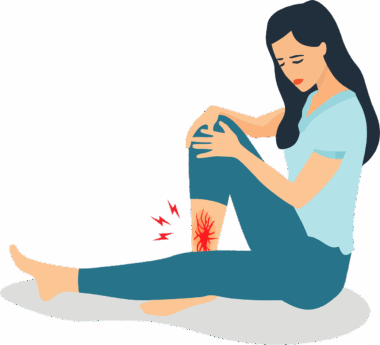

Balancing Workout and Rest Days to Avoid Overuse Injuries
Maintaining a balanced workout regimen is crucial for preventing overuse injuries. Many individuals believe that exercising daily without adequate rest will yield better results. However, this misconception can lead to physical ailments such as tendonitis and stress fractures. The key to injury prevention lies in understanding how to distribute workout intensity and rest days effectively. When training, consider including a mix of high-intensity, moderate, and low-intensity sessions. This varied approach not only promotes muscle growth but also enhances recovery periods, reducing injury risks. Additionally, adequate rest days allow the body to repair and strengthen, which is essential for athletic performance. You can take rest days seriously by implementing light activities such as walking, cycling, or yoga. Embracing flexibility in your routine can stave off burnout while enhancing overall satisfaction in your fitness journey. An effective workout plan should assess personal needs, limitations, and specific goals. Therefore, whether you are a novice or advanced trainer, invest time in developing an individualized schedule. This tailored approach ensures continual progress while safeguarding against potential overtraining and subsequent injuries.
Assessing your training intensity is another crucial aspect of avoiding overuse injuries. Each exercise or sport places unique demands on the body. For instance, if you run several miles daily, it might seem harmless, but your muscles will become fatigued if you don’t alternate with rest. Consider incorporating cross-training to diversify your workout, allowing different muscle groups the opportunity to recover. This shift not only prevents the body from overworking specific areas but promotes stronger overall fitness. Mixing cardio with strength training or swimming provides a comprehensive workout while reducing the risk of injury. Additionally, monitor your body for signs of fatigue and discomfort. Over time, small aches can turn into significant injuries if ignored. Implementing planned rest days and listening to your body can maintain your fitness levels while avoiding setbacks. Having awareness of your physical limits will empower you to make smart training decisions moving forward. Remember, recovery is as vital as the workout itself. On scheduled rest days, prioritize hydration, nutrition, and sleep to aid muscle recovery. When balanced properly, workout programs improve both mental and physical well-being, leading to sustainable performance without unwanted injuries.
Importance of Active Recovery
Active recovery is an essential component of balancing workout and rest days. Rather than complete inactivity, gentle movement can significantly enhance recovery, reducing risks of injuries like muscle strains. Incorporating activities such as swimming or light jogging allows blood flow to increase without overloading the muscles. As a result, the physiological benefits accrue without the stress commonly associated with intense workouts. Active recovery not only helps alleviate soreness but can also improve flexibility and range of motion. For instance, participating in yoga or Pilates on rest days can help strengthen the body while enhancing recovery. Furthermore, consider adjusting your routine depending on how you feel each week. Remember, the key lies in your body’s feedback; listen and adapt accordingly. If fatigue sets in, dial down your exercise intensity and switch to restorative practices that promote relaxation and healing. Ultimately, a well-rounded fitness plan includes both high-intensity and low-impact days. This promotes resilience, along with stronger recovery rates between workouts. Adopting an active recovery mindset helps mitigate the risks associated with injuries, allowing for sustained performance improvement throughout your training journey.
Nutrition and Hydration for Recovery
Nutrition and hydration play vital roles in injury prevention and recovery optimization. Post-workout meals should be balanced, focusing on proteins and carbohydrates, which help with muscle repair and glycogen replenishment. Consistently refueling with nutrient-rich foods aids in overall recovery and prepares the body for further training. Focus on whole foods such as fruits, vegetables, lean proteins, and whole grains for best results. Hydration is equally important, as it impacts performance and recovery. Dehydration can lead to increased fatigue and reduced physical abilities, making it critical to drink adequate water before, during, and after exercise. In addition to water, consider incorporating electrolyte-rich drinks, especially after prolonged workouts. An optimal balance of fluids ensures the body fully recovers, maintaining performance levels throughout your training regimen. Monitoring hydration can prevent injuries like cramps or strains by keeping muscles functioning effectively. Whole foods can also provide the necessary vitamins and minerals to support the immune system and combat inflammation. Remember, nutritious food fuels workouts, while hydration ensures optimal physical health. Prioritize a comprehensive approach to nutrition and hydration for a sustainable and injury-free training experience.
Proper warm-up and cool-down routines are essential for preventing overuse injuries. Warming up adequately prepares your muscles for exercise, gradually increasing heart rate and blood flow. This is crucial for improving the elastic properties of your muscles, potentially preventing strains and discomfort during exercise. Include dynamic stretches and mobility drills that target the specific muscles utilized in your workout. Incorporating foam rolling or gentle mobilization can also help alleviate tension before beginning intensely. Similarly, cooling down should not be overlooked; it assists the heart in gradually returning to its normal state. This can prevent dizziness and other circulatory problems that may arise after exercise. Post-workout static stretches help improve flexibility and prevent muscle stiffness, which can be detrimental if pursued without recovery protocols. It’s essential to incorporate both warm-ups and cool-downs into your training for maximizing performance. While the focus is often on workout intensity, the importance of preparation and recovery cannot be overstated. Consistent efforts in these areas contribute to performance enhancement and increased safety during training. As you build your regimen, make sure to include these techniques that promote injury prevention, keeping you on track toward your fitness goals.
Finally, consulting with a fitness professional can provide personalized insights into injury prevention strategies. A certified personal trainer can evaluate your current workout regime, assess individual strength levels, and suggest modifications tailored to your needs. They can also offer guidance on how to safely increase intensity, helping you avoid common pitfalls. Furthermore, stay informed about your body’s physical condition by engaging in regular assessments. This way, you can identify potential weaknesses requiring attention before becoming problematic. Coaches and trainers can also introduce various workout alternatives to diversify your routine and prevent repetitive strain injuries. Engaging in new exercises may significantly enhance your overall fitness level while markedly reducing injury risks. Longevity in fitness relies on consistency and awareness, emphasizing the importance of strategic planning. Remember, real progress includes learning when to push hard and when to rest. Accountability through professional guidance can offer invaluable support and keep you on track. Overall, strike a balance between challenge and recovery. This will promote healthy, sustainable progress while minimizing injury risks as you pursue your fitness aspirations.
In conclusion, preventing overuse injuries involves a combination of factors centered around balanced workout and rest days. Recognizing the need for adequate recovery in addition to workouts is fundamental in this process. Embrace principles of active recovery, nutrition, hydration, and structured routines that incorporate warm-ups and cool-downs. These elements are integral in maintaining both physical health and performance levels. Moreover, consider enlisting the help of fitness professionals to tailor your program effectively to your needs. By prioritizing these strategies, you pave the way for long-term success in your fitness journey. Listen closely to your body’s feedback and personalize your approach to enhance your overall well-being. With time and commitment, adapting these methods can ensure a balanced perspective on your fitness endeavors, focusing not only on intensity but also on smart recovery principles. This holistic approach helps in safeguarding against injuries, fostering sustainable progress in achieving your fitness goals. Lastly, remember that the journey to fitness is not merely about the workouts but also grounded in understanding the importance of rest. In doing so, you will cultivate resilience and enjoy every step taken on your personal health journey.