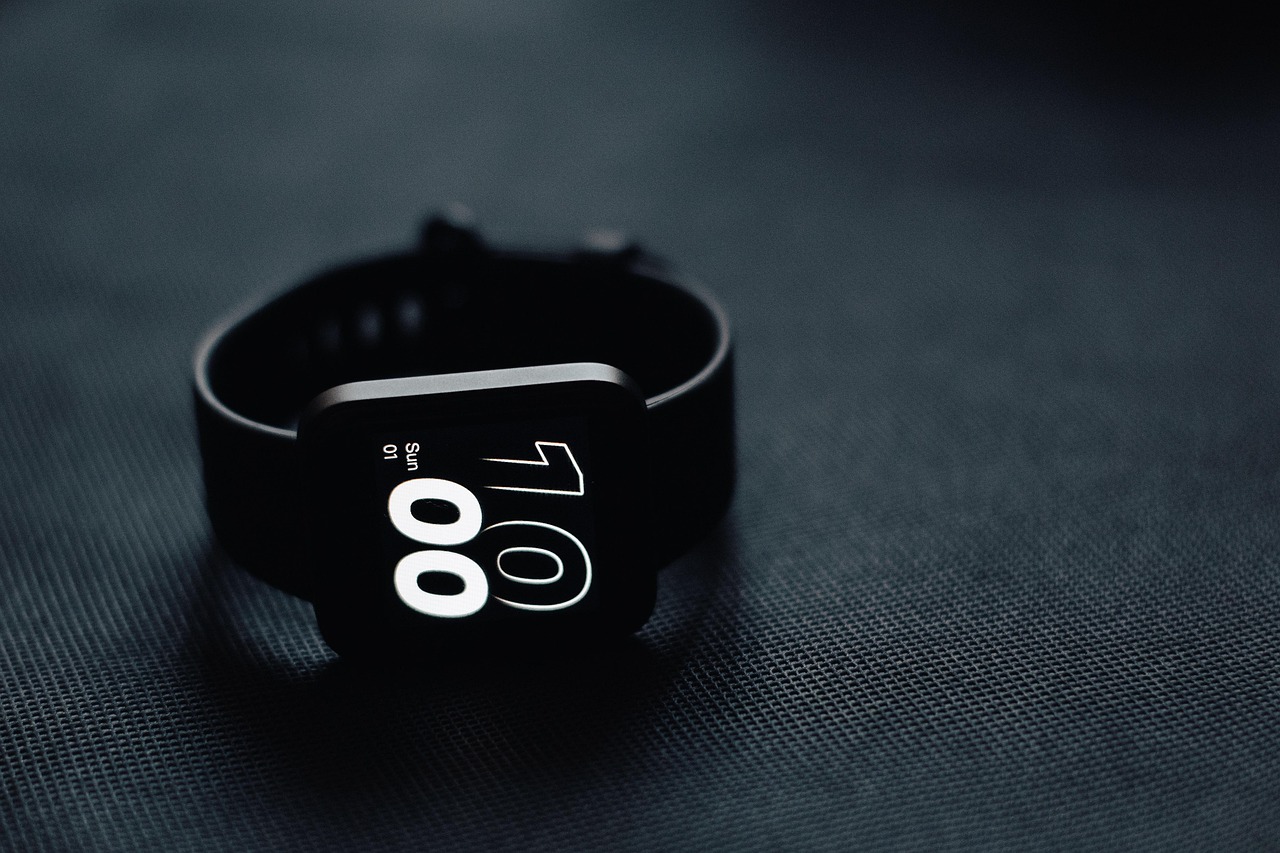

Tracking Recovery Progress with Wearable Technology
Wearable technology has emerged as a transformative aspect of training, especially in sports like triathlon, where recovery is critical. Triathletes often face immense physical stress, making effective recovery essential to enhance performance. Advanced wearables are designed to monitor various recovery metrics, providing athletes with real-time data. These devices track heart rate variability, sleep quality, and even muscle soreness using advanced algorithms and sensors. This empowers athletes to make informed decisions about their training intensity and recovery time. With consistent tracking, one can identify patterns, allowing for strategic adjustments in their routine. Overall, integrating wearables into recovery strategies not only aids in monitoring but also promotes a proactive approach to training. Wearable devices can serve as a catalyst for better recovery practices. The availability of rich data opens the door for advanced insights into physical state, ultimately translating into improved performance during competitions. Athletes can utilize collected data to inform coaches and personalize their recovery plans, enhancing their training cycles.
These advancements in wearable technology have led to a significant shift in how athletes approach recovery techniques. For example, integrating devices that track sleep can allow athletes to understand the importance of rest and recovery on performance. High-quality sleep is essential for optimal recovery as it plays a vital role in physical and mental rejuvenation for triathletes. Furthermore, using wearables, athletes can access detailed analytics relating to their recovery patterns, enabling them to adapt their training loads concisely. Personalized insights allow for better planning of hard training days followed by lighter sessions. This strategic planning is crucial in optimizing performance and minimizing injury risks. Triathletes using wearables can share their data with coaches for comprehensive evaluations, ensuring an appropriately tailored training approach. Additionally, integration with mobile apps enhances the overall user experience, allowing athletes to graph trends over time for improved decision-making. Eventually, the combination of technology and training leads to improved performance, making wearables indispensable tools for triathletes focused on their competitive journeys.
One significant feature of wearable technology is the real-time monitoring capabilities it offers. For instance, devices equipped with heart rate sensors enable athletes to gauge their performance during training sessions. During recovery phases, understanding heart rate drops can signal effective recovery post-exercise, giving crucial feedback. Similarly, advanced wearables can track hydration levels, which play a huge role in recovery. Maintaining hydration is essential for muscle recovery and overall performance improvements. Data regarding hydration can be crucial for triathletes, especially during off-seasons or long runs. Furthermore, biomechanics analysis through wearables can help identify areas needing focus during recovery. This information can pinpoint muscle groups requiring additional attention, enabling them to implement targeted recovery protocols. Wearable devices synthesize these aspects into a user-friendly experience, making recovery techniques more approachable and data-driven. Creating sustainable training habits supported by wearables ensures that athletes are in their best condition for race time. With continuous tracking, adjustments can be made promptly, maximizing every training phase.
Benefits of Data-Driven Recovery
Data-driven recovery techniques present countless benefits for dedicated triathletes. Firstly, they significantly reduce recovery time between intense training sessions. By identifying what works best on an individual level, tailored training plans enhance performance outcomes. Moreover, data gathered can guide nutrition choices as well. Knowing the how and when to refuel can optimize recovery efforts fully. A precise analysis of carbohydrate and protein intake can lead to improved recovery processes. Additionally, wearables facilitate the tracking of chronic stress indicators. Elevated stress levels can adversely impact recovery, and identifying trends early helps triathletes modify their lifestyle choices. Integrating mindfulness practices with data from wearables encourages holistic recovery approaches. Furthermore, consistent data analysis fosters an awareness mindset, allowing athletes to listen more closely to their bodies. Intuitive responses to fatigue signals can prevent long-term injuries and ultimately lead to longevity in the sport. The feedback loop created by wearables guarantees athletes make crucial recovery adjustments that lead to consistent improvement and resilience. Therefore, tracking progress with wearables significantly bolsters an athlete’s training arsenal, resulting in optimal outputs during competitions.
Remote coaching has also benefited immensely from wearable technology. Coaches can remotely monitor their athletes’ recovery processes from anywhere, enabling them to provide timely advice and adjustments to training plans. This aspect has become particularly relevant in the post-pandemic era, where virtual communication is now commonplace. Wearable technology provides valuable insights into how the athlete feels, and understanding recovery status fosters trust between coach and athlete. Coaches can ensure that the workouts remain specific to the athlete’s fatigue level, ultimately enhancing performance results. Moreover, timely communication regarding recovery insights allows teams to strategize together in achieving optimal results in races. Remote access to recovery metrics essentially alters traditional coaching frameworks, where trainers are largely dependent on in-person observations. The shift towards digital communication enables a more flexible coaching relationship allowing triathletes to train effectively even amid busy schedules. Incorporating feedback from wearables into training jargon leads to improved dialogue around recovery techniques as well. Therefore, wearable technology significantly influences remote coaching, establishing it as a potent resource for triathletes seeking competitive advantages.
Future Innovations in Wearables
As wearable technology continues to evolve, the future holds even greater advancements specifically for recovery techniques in triathlon training. Innovations incorporating artificial intelligence are becoming commonplace. Such integrations aim to analyze vast data sets to predict recovery patterns and suggest optimal training loads accordingly. Future wearables may be capable of real-time biochemical analysis, evaluating the athlete’s physiological state on a molecular level. This could lead to personalized recovery plans that were once unimaginable. Enhanced battery life and integrated features will also create user-friendly advancements, promoting daily wear and continuous monitoring. Developers are constantly striving to make devices less intrusive without compromising functionality, appealing to athletes who prefer subtle tech assistance during their training. Furthermore, new interfaces will likely become more interactive, providing dynamic feedback and even suggesting additional recovery modalities, such as stretches or nutrition adjustments. Triathletes could benefit from virtual coaches built into wearables, revolutionizing the interactive experience. The integration of remote feedback systems into wearables will make recovery efforts more comprehensive, leading to potential breakthroughs in competitive racing. Advancing technology ensures that the opportunities for triathletes to optimize recovery also grow immensely, supporting their journey towards excellence.
In conclusion, tracking recovery progress using wearable technology has become integral to modern triathlon training. Utilizing data gathered from wearables transforms recovery into a structured process. Athletes have more insight than ever before regarding their efforts and responses to training. The ability to track heart rates, sleep quality, nutrition, and hydration clearly illustrates the direct relationship of these metrics to recovery times, reinforcing the perks of modern technology. With data-backed analysis, triathletes are empowered to approach their training with confidence, making informed decisions leading to enhanced performance. The future of recovery is bright, with ongoing innovations promising further insights into athlete wellness. The combination of proactive and adaptive recovery makes it easier for triathletes to embrace their training fully. Ultimately, investing in wearable technology is essential for any serious athlete who aims to excel in triathlon competitions. Recovering efficiently while monitoring performance-related metrics fosters resilience and longevity in the field. With continuous advancements, wearable technology not only complements but also revolutionizes traditional recovery techniques, ensuring positive outcomes for all fitness journeys.
In conclusion, tracking recovery progress using wearable technology has become integral to modern triathlon training. Utilizing data gathered from wearables transforms recovery into a structured process. Athletes have more insight than ever before regarding their efforts and responses to training. The ability to track heart rates, sleep quality, nutrition, and hydration clearly illustrates the direct relationship of these metrics to recovery times, reinforcing the perks of modern technology. With data-backed analysis, triathletes are empowered to approach their training with confidence, making informed decisions leading to enhanced performance. The future of recovery is bright, with ongoing innovations promising further insights into athlete wellness. The combination of proactive and adaptive recovery makes it easier for triathletes to embrace their training fully. Ultimately, investing in wearable technology is essential for any serious athlete who aims to excel in triathlon competitions. Recovering efficiently while monitoring performance-related metrics fosters resilience and longevity in the field. With continuous advancements, wearable technology not only complements but also revolutionizes traditional recovery techniques, ensuring positive outcomes for all fitness journeys.