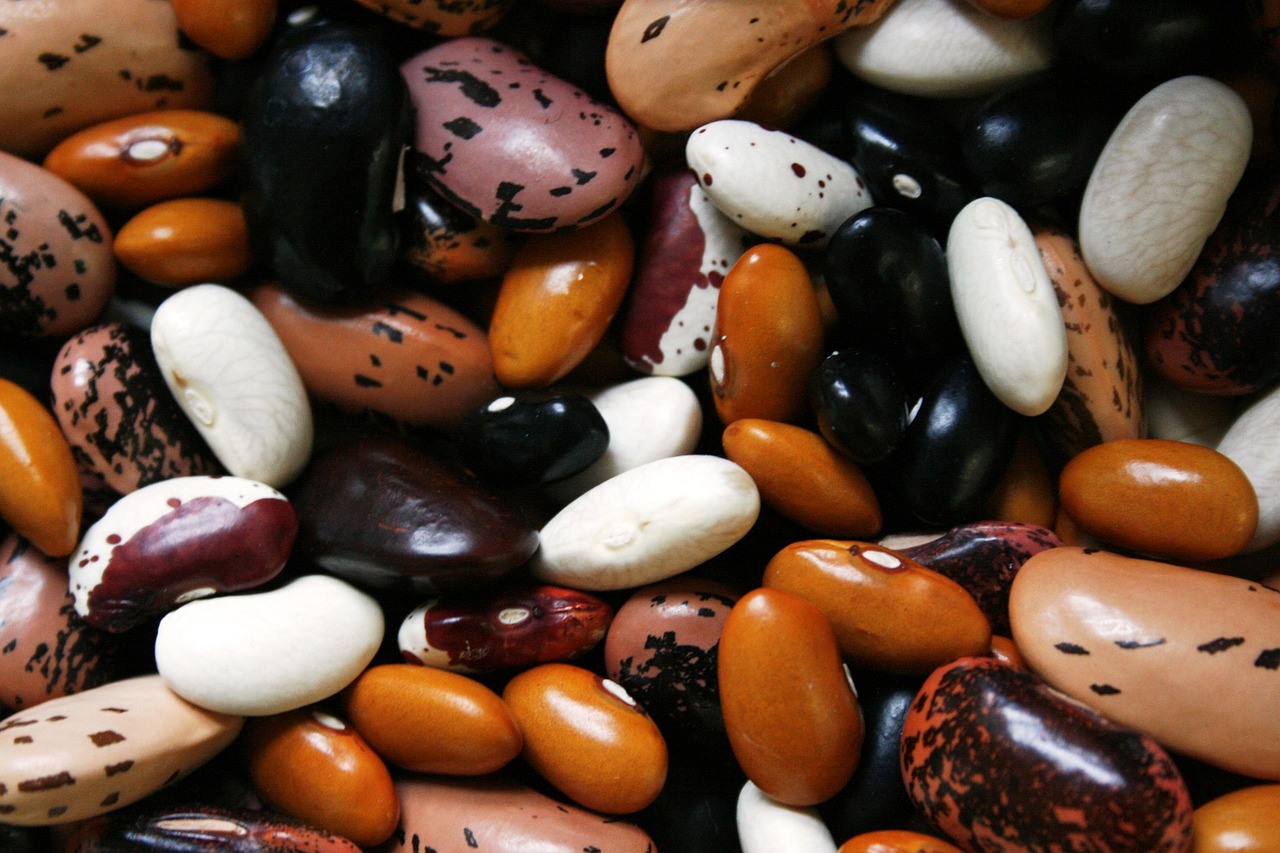

The Science Behind Beans and Their Protein Benefits
Beans are an excellent natural source of protein, offering various benefits essential for athletes and fitness enthusiasts. Rich in essential amino acids, beans provide the building blocks necessary for muscle growth and repair. Unlike animal protein, beans are not only an economical option but also a nutrient-dense choice. They contain fiber, vitamins, and minerals, promoting overall health benefits while minimizing fat intake. The versatility of beans makes them easy to incorporate into meals, whether in salads, soups, or as side dishes. Various types of beans, including black beans, kidney beans, and lentils, each have unique nutrient profiles that can contribute to a well-rounded diet. Furthermore, beans can be used as a meat substitute in many recipes, providing a wholesome alternative to animal protein. Their low glycemic index and high fiber content assist in regulating blood sugar levels, making them suitable for weight management. Additionally, the antioxidants present in beans can support the immune system and reduce inflammation. Incorporating them into your diet can enhance your overall wellness and complement any fitness regime.
The protein content in beans varies among different types, but they generally offer about 15 grams of protein per cooked cup. This significant contribution makes them a substantial alternative for those seeking plant-based proteins. Alongside protein, beans are packed with a variety of vitamins such as B vitamins, which are essential for energy production, and vitamin K, crucial for bone health. Minerals like iron and magnesium also play vital roles in muscle function and overall athletic performance. Irrespective of the bean variety, including them in your diet helps sustain energy levels during workouts. Increasing your protein intake through beans may also lead to improved muscle recovery post-exercise. One fascinating fact is that the fiber present in beans aids in digestion and can prevent muscle fatigue by promoting nutrient absorption. Therefore, incorporating beans into your post-workout meals can enhance recovery. Health professionals often recommend combining beans with grains like rice or quinoa for a complete protein profile. This way, you replenish essential amino acids more effectively. So, next time consider beans as a fundamental part of your nutrition strategy.
Health Benefits of Beans
Not only do beans serve as a powerful protein source, but they are also recognized for their array of health benefits. Their high fiber content aids in digestion, contributing to a healthy gut and reducing the risk of digestive disorders. Additionally, beans are packed with antioxidants, which combat oxidative stress and may lower the risk of chronic diseases. Studies have shown that regular consumption of beans can help maintain healthy cholesterol levels, thus promoting cardiovascular health. Beans have a low fat content, making them an excellent choice for those looking to maintain or reduce body weight. The protein and fiber combination contributes to prolonged satiety, reducing the urge to snack between meals. Various analyses indicate that incorporating beans into your diet may lower the risk of Type 2 diabetes due to their blood sugar-stabilizing effects. This is especially crucial for athletes who need to manage their energy levels effectively. Furthermore, beans are associated with reduced inflammation, which can improve performance during physical activity. Overall, the incorporation of beans into daily meals leads to an enriching and health-conscious dietary lifestyle.
Cooking beans can revolutionize their nutritional potency, making them more beneficial and digestible. Soaking beans before cooking not only reduces cooking time but also helps in minimizing anti-nutrients that inhibit mineral absorption. After soaking, rinsing them thoroughly is advisable to enhance their nutritional value. Cooking methods such as boiling or steaming tend to retain most nutrients compared to frying. Using spices and herbs not only elevates the flavor but also adds additional health benefits from natural antioxidants. It’s essential to cook beans properly to avoid any digestive discomfort, as improperly cooked beans may contain toxins. Safety and health should always be priorities when preparing beans. Interestingly, incorporating sprouted beans into your diet can further enhance protein availability and digestibility. Many health enthusiasts advocate for sprouted beans in salads and other dishes, as they are typically richer in vitamins and easier to digest. Experimenting with different bean varieties and preparation methods can make meals both nutritious and delightful. Moreover, this exploration encourages a wholesome eating habit and a move toward more plant-based protein options.
Incorporating Beans into Your Diet
For a well-rounded diet, it’s important to find creative ways to incorporate beans into your meals. One excellent idea is to add them to salads, providing both nutrition and texture. Mixing beans with fresh vegetables and your choice of dressing can yield a refreshing and protein-rich meal. You might consider making bean-based dips like hummus, utilizing chickpeas or black beans for a tasty snack. These dips are fantastic partners for fresh vegetable sticks or whole-grain crackers. Furthermore, beans can be blended into smoothies for an energy-packed boost. Incorporating beans into soups and stews can enhance flavors while also enriching your dishes. Additionally, homemade bean burgers have gained popularity as a satisfying meat alternative, offering delicious flavors along with protein benefits. Stir-fry dishes are another practical method for introducing beans into your meals, adding them alongside an assortment of colorful vegetables. The adaptability of beans allows them to be enjoyed in various culinary applications, catering to diverse taste preferences. By thinking creatively, you can enjoy the nutrient-dense benefits of beans and keep your meals dynamic and engaging.
Aside from their nutritional benefits and versatility in cooking, beans are environmentally friendly compared to animal protein sources. Growing beans requires significantly less water and land, contributing to a sustainable food system. Their ability to fix nitrogen into the soil promotes soil health, making them beneficial not only for consumption but also for agricultural practices. As awareness of sustainable eating grows, the demand for plant-based protein, including beans, is likely to increase. By choosing beans, you not only prioritize your health but also make environmentally conscious decisions. This shift in dietary habits can contribute positively to the planet. Many organizations advocate for reducing meat consumption and incorporating more legumes into daily diets. Adopting a plant-forward eating strategy can aid in lowering one’s carbon footprint. As beans pave the way for sustainable nutrition, they are recognized as cost-effective protein alternatives. In addition, beans can significantly mitigate food insecurity by providing affordable nutrition to communities. Embracing beans as a staple not only benefits individual health but also fosters community well-being and environmental stability.
Conclusion: Beans as a Protein Powerhouse
To conclude, beans are undoubtedly a revealing powerhouse when considering natural sources of protein. Their widespread benefits extend beyond serving as a substantial protein alternative. Rich in dietary fiber, antioxidants, and essential vitamins and minerals, beans contribute immensely to overall health. They are versatile and adaptable, allowing easy incorporation into meals for enhanced nutritional intake. These culinary gems are also known for their positive impacts on the environment, promoting sustainable agricultural practices. Whether you’re an athlete seeking muscle recovery or someone who prioritizes nutritious eating habits, beans are a perfect ingredient to include in your daily diet. Exploring their numerous varieties can keep your meals exciting and nutritionally diverse. Maintaining a diet incorporating beans has the potential to support your fitness goals while extending beneficial environmental repercussions. Remember, making conscious choices about nutrition is key to leading a healthier lifestyle. In a growing trend towards plant-based diets, beans shine brightly as a delightful option to consider. So, embark on an enriching journey with beans, and let their protein-packed goodness elevate your health.
As you explore the intriguing world of beans, consider experimenting with their many varieties and preparation methods. From hearty stews to wholesome salads, there’s a bean dish for every palate. The journey into the realm of beans can transform not only your meals but also your health and well-being significantly. Delve into the science behind beans and their protein benefits to enhance your dietary experiences. Regardless of your culinary experience, beans offer flavor and nutrition that everyone can enjoy. They are a sustainable solution for those seeking high-quality protein sources without contributing to animal agriculture. So why not introduce beans into your grocery list? Exploring beans opens a gateway to a plethora of dishes filled with nutrients essential for enhancing overall wellness. Don’t hesitate to engage your family and friends in this culinary exploration, sharing the benefits of beans and how they can improve overall health, one bite at a time. In summary, beans offer an appealing balance of flavor, nutrition, and sustainability that makes them an incredible food choice for all. An adventure in bean cuisine awaits you, filled with tasty, fulfilling options!