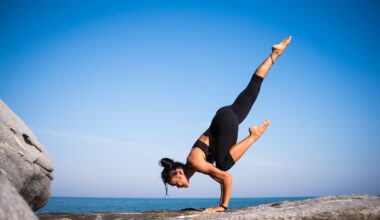

The Role of Balance Exercises in Chronic Pain Management
Chronic pain can severely impact an individual’s quality of life. This is where balance exercises play a vital role in rehabilitation and pain management. By focusing on stability and control, these exercises can help alleviate symptoms and improve overall mobility. Balance activities challenge the body’s natural coordination, thereby strengthening muscles and enhancing joint stability. Typical balance exercises include activities like standing on one leg, heel-to-toe walking, and using balance boards, which stimulate proprioceptive responses. These exercises not only help in reducing pain but also in enhancing confidence in movement, which is particularly important for those suffering from chronic pain conditions. Regular practice can lead to improved function in daily activities, making it easier for individuals to engage in life without fear of falling or injury. This boost in self-efficacy contributes positively to mental health and emotional wellbeing. Therefore, incorporating balance exercises into rehabilitation programs is essential for comprehensive chronic pain management, promoting both physical and psychological benefits for affected individuals. These exercises are a foundational component of a sustainable rehabilitation plan that caters to long-term health outcomes.
Understanding Balance and Its Importance
Balance is essential for maintaining functional independence and stability in daily life. It encompasses a complex interplay of sensory and muscular systems that allows individuals to control their body position during static and dynamic movements. This is especially crucial for older adults or those recovering from injuries, where maintaining balance can prevent falls and additional injuries. Improving balance not only enhances stability but also contributes to better posture, coordination, and reaction times. When individuals engage in specific balance exercises, they activate their core muscles, which are integral for stability. The brain also learns to process information from the vestibular, visual, and proprioceptive systems more effectively, allowing for quick adaptations in challenging environments. Furthermore, enhanced balance reduces the risk of falls, a significant concern for the elderly. By committing to balance training, individuals can safely navigate their surroundings while performing everyday tasks. This not only aids physical health but also enhances emotional wellness by fostering confidence in their movements and abilities. Therefore, prioritizing balance is vital for anyone looking to improve their physical capabilities and overall well-being.
Implementing balance exercises as part of a rehabilitation program for chronic pain management provides numerous benefits. These exercises can be tailored to individual needs and progressively increased in complexity as stability improves. Consistency is key; practicing balance exercises regularly leads to better muscle coordination and strength. This gradual progression not only helps in managing chronic pain but also plays a crucial role in preventive care. By reinforcing muscular control, patients can experience a lowering of pain levels, alongside improved physical function. Patients may begin with basic exercises and then transition to more advanced forms, such as dynamic movements that incorporate different balances. They may include single-leg stands, yoga, tai chi, and stability ball workouts, all designed to challenge balance and stability. As patients advance through levels of difficulty, they develop greater body awareness, essential for self-managing pain. Thus, structured balance training becomes an empowering aspect of rehabilitation. By actively engaging in these exercises, patients can build resilience in their bodies against the challenges posed by chronic pain, leading to a harmonious blend of physical and mental rehabilitation.
Guidelines for Effective Balance Exercises
Effective balance exercises should adhere to certain guidelines to ensure maximum benefit while minimizing risk. First, it’s crucial that the exercises are tailored to each individual’s current level of ability. This ensures safe participation while also optimizing skill development. Starting slow is advisable, allowing the body to adjust to the movements and disciplines involved. Incorporate a variety of exercises to enlist different muscle groups, from static to dynamic challenges. For instance, begin with simple standing balances before progressing to movement-based activities. Secondly, environment matters; conducting exercises on stable surfaces initially can prevent falls and injuries. Once confidence and strength build, gradually introduce uneven surfaces or dynamic changes. Additionally, including support systems, like a wall or chair, can provide safety and comfort during initial attempts. Regular assessments should be conducted to adapt difficulty levels accordingly. Finally, consider integrating breathing techniques to enhance focus and relaxation during balance training. By following these guidelines, individuals can maximize their outcomes, ensuring strength and stability gained through balance exercises contribute to effective chronic pain management.
Chronic pain associated with conditions such as arthritis or fibromyalgia can lead to physical and psychological barriers that hinder recovery. Incorporating balance exercises can effectively address both realms. Physically, these exercises focus on strengthening muscles surrounding crucial joints, thus offering support and stability to areas that typically endure strain during movement. This, in turn, reduces pain, fostering a gentler approach to daily activities. Psychologically, as individuals perceive themselves improving, their confidence skyrockets. Enhanced balance instills a sense of safety and security, alleviating fears connected to falling or re-injury. This empowerment can lead to greater engagement in social activities and a more active lifestyle overall. Moreover, supportive group exercises focused on balance can encourage social interaction and motivation, further enhancing psychological well-being. Therefore, it is vital to understand that balance exercises serve both a physical and emotional purpose. Rehabilitation programs that neglect the psychological component may fall short in achieving comprehensive recovery. Utilizing balance exercises creates an environment conducive to holistic healing, thereby benefiting those suffering from chronic pain immensely and generating positive health outcomes.
Monitoring Progress in Rehabilitation
Monitoring progress is essential in any rehabilitation program, particularly in the realm of balance exercises for chronic pain management. Regular assessments not only help in understanding physical improvements but also provide insight into emotional and psychological developments throughout the rehabilitation journey. Establishing measurable goals at the beginning of a balance-focused rehabilitation plan can serve as motivation for participants. These goals may include mastering specific balance techniques, increasing the duration of exercises, or reducing dependency on support equipment. Therefore, this structured approach ensures clear benchmarks are established to assess progress effectively. Additionally, maintaining a log of training sessions can help track subtle changes in balance capabilities. This log should include feedback about pain levels after exercises, as fluctuations can show patterns that need addressing. Coaches, physical therapists, or rehabilitation specialists can offer valuable insights and suggest modifications if challenges arise. Engaging in discussions about experiences with balance exercises can also solidify supportive relationships. Overall, consistent monitoring ensures individuals remain focused, motivated, and actively involved in their recovery process, promoting longevity and sustained physical health.
In conclusion, incorporating balance exercises into rehabilitation for chronic pain management is impactful. These exercises serve to enhance stability and confidence, which can diminish pain perception. By targeting muscles critical for balance, individuals can foster strength, unlock greater mobility, and improve overall well-being. Participation in tailored balance exercises promotes a safer environment both physically and mentally, nurturing resilience against chronic pain challenges. The multifaceted benefits, including improved physical capabilities and emotional stability, advocate for the necessity of balance training in rehabilitation practices. The gradual progression and adaptability of balance exercises make them accessible and beneficial to individuals of varying fitness levels. Such rehabilitative strategies empower individuals to take active roles in managing their pain and physical health. Therefore, practitioners should emphasize the integration of balance exercises and closely monitor their effectiveness in rehabilitation programs. Promoting these exercises not only addresses the physical components of chronic pain but fosters emotional support within communities, paving the way for a renewed lifestyle brimming with health and vitality. Ultimately, balance exercises hold immense potential in transforming how individuals cope with and manage chronic pain effectively.
By prioritizing balance and coordination, individuals can experience profound changes throughout their rehabilitation process. This focus on balance serves as a cornerstone for rehabilitation strategies, enhancing patient outcomes while facilitating a smoother path to recovery. Continual encouragement for sustained practice, alongside progress tracking, joins with holistic health messaging to support successful rehabilitation implementations amidst chronic pain management. Practitioners are urged to expand their perceptions of balance exercises as purely physical; these exercises also serve as gateways to emotional healing and empowerment. The well-rounded benefits provide a profound sense of accomplishment, motivating individuals to further engage in their recovery processes. In conclusion, fostering a culture that values balance exercises will not only enrich rehabilitation experiences but also build lasting strategies for health improvement. Such an approach pays dividends across varied spheres of life, manifesting in healthier, happier, and more active communities. In a world continually dealing with chronic pain challenges, balance exercises stand out as indispensable tools that remodel not only physical rehabilitative practices but the relational ties individuals have to their bodies, ultimately reshaping perceptions of pain while fostering recovery.