
Tai Chi for Improved Balance and Longevity in Older Adults
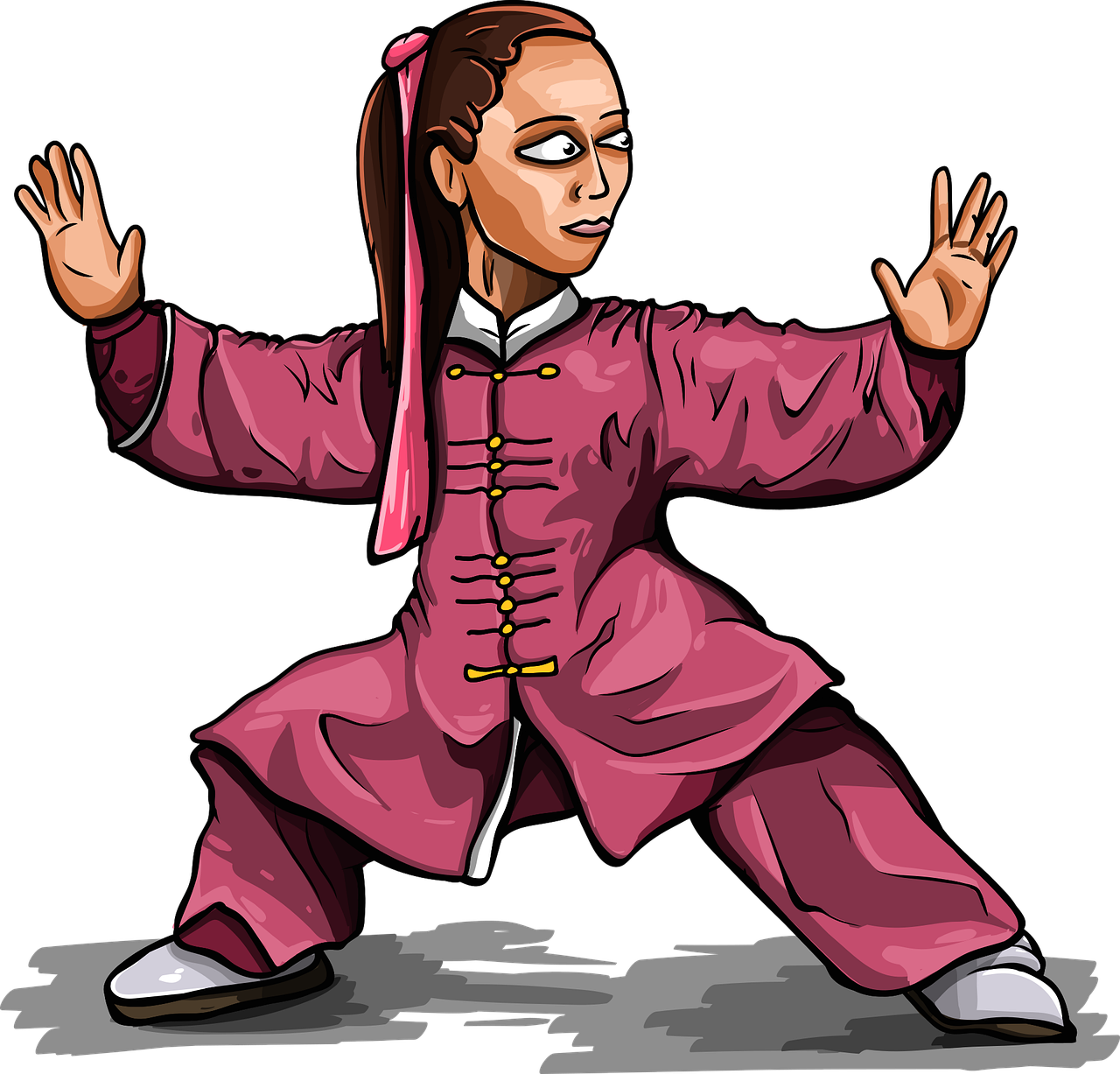
Tai Chi is a traditional Chinese martial art that emphasizes natural movements and deep focus, significantly benefiting older adults. This gentle exercise combines slow, deliberate movements with deep breathing, fostering a profound mind-body connection. Research indicates that practicing Tai Chi aids in improving balance, flexibility, and overall strength, crucial factors for maintaining independence in aging. Moreover, Tai Chi reduces the risk of falls, a prevalent concern among older adults. By enhancing proprioception, it sharpens the body’s awareness, allowing individuals to adjust better to changing environments. Additionally, this practice cultivates balance through weight shifting techniques, which help stabilize one’s center of gravity. Engaging in regular Tai Chi sessions not only encourages physical health but also nurtures mental well-being, fostering relaxation and stress relief. This holistic approach integrates both the physical and mental aspects of health, making it uniquely beneficial for the elderly. Overall, Tai Chi serves not just as an exercise regimen but also as a lifestyle choice that promotes longevity and quality of life, fostering a resilient spirit and a healthier body in older adults.
Another essential benefit of practicing Tai Chi is its positive effect on mental health, crucial for maintaining longevity in older adults. Through its meditative nature, Tai Chi encourages mindfulness, which helps decrease anxiety and depression. Older individuals often struggle with feelings of isolation and mental fatigue, and the community aspect of group Tai Chi classes can alleviate that loneliness. Engaging in Tai Chi enhances social interaction, encouraging friendships and connections that are vital for emotional well-being. The rhythmic and flowing movements promote relaxation, helping to calm the mind and reduce stress hormones in the body. Additionally, establishing a routine with Tai Chi can provide a sense of purpose, essential for psychological health as one ages. Improved mental wellbeing positively correlates with physical health, as a healthy mind can influence better decision-making regarding diet and lifestyle choices. Further, studies suggest that incorporating Tai Chi into daily routines can aid cognitive function. With all these benefits combined, Tai Chi emerges not only as a physical practice but as a vital component in the holistic approach to mind-body wellness, essential in promoting longevity and enhancing the quality of life for seniors.
Moreover, Tai Chi is accessible to individuals of all fitness levels and abilities, making it suitable for most older adults. Unlike intense exercise regimens, Tai Chi requires minimal equipment and can be practiced both indoors and outdoors. The gentle nature of the movements does not put undue stress on joints, making it an ideal choice for those with arthritis or mobility issues. It encourages gradual progression, allowing individuals to adapt movements according to their capabilities. This adaptability ensures that everyone can participate, fostering inclusivity and community among practitioners. Regular practice can lead to steady improvements in core strength and posture, further mitigating risks associated with falling. Classes are often designed to suit various experience levels, whether beginners or advanced practitioners. The emphasis on deep breathing techniques during exercises can also improve lung capacity and overall vitality. Integrating Tai Chi into daily living promotes a sense of accomplishment in older adults, encouraging them to remain physically active without feeling overwhelmed. With consistent practice, individuals often witness progress in both physical and mental health, significantly contributing to their longevity and overall quality of life.
Scientific Evidence Supporting Tai Chi
Extensive research supports the myriad benefits of Tai Chi, particularly among older populations. Numerous studies indicate significant reductions in fall rates among practitioners due to the balance-enhancing properties of the practice. A notable randomized controlled trial illustrated that participants who engaged in regular Tai Chi classes demonstrated a 47% reduction in fall incidence compared to those who did not practice. Furthermore, analyses report improvements in musculoskeletal conditions, enhancing mobility and daily functional performance. Compliance rates among older adults participating regularly in Tai Chi classes have shown promising results, indicating engagement and commitment to the practice. Additionally, there is evidence demonstrating that Tai Chi can alleviate chronic pain conditions, offering a non-pharmacological approach to pain management in aging. Neurophysiological studies suggest that practice stimulates brain regions responsible for coordination, thus enhancing cognitive function. Following Tai Chi’s implementation in community settings, significant health benefits were documented, including improved perceived health status and reduced healthcare usage. This compelling body of research reinforces the notion that Tai Chi is not just an ancient art form, but a scientifically validated practice offering substantial benefits for longevity and overall health.
Incorporating Tai Chi into daily routines requires minimal adjustment, which is particularly advantageous for older adults. As individuals may feel daunted by fitness regimes requiring extensive time commitments, Tai Chi offers a flexible and manageable alternative. Even short sessions of 10 to 15 minutes can provide substantial benefits, allowing users to integrate these practices seamlessly into their day. Practicing Tai Chi in serene environments, such as parks or gardens, enhances the overall experience by connecting practitioners with nature, promoting further psychological benefits. Additionally, Tai Chi does not necessitate private classes; instructional videos and online sessions allow individuals to engage in practice at their own pace, fostering independence. This versatility is crucial in promoting adherence over time, ensuring lasting commitment. Furthermore, community centers and senior clubs often host group classes, fostering a supportive atmosphere and encouraging camaraderie. Understanding the accessibility and adaptability of Tai Chi empowers older adults to embrace this practice, providing motivation to partake regularly. This gentle invitation to moving mindfully can significantly impact their physical capability and mental clarity, thereby enhancing their daily living and promoting longevity.
For individuals interested in Tai Chi, starting is both simple and straightforward. A variety of resources, including local classes and online instruction, are widely available, making it easy to find a format that suits personal preference and schedule. Many community centers offer free or low-cost Tai Chi sessions, specifically catering to seniors. These classes often emphasize gentle adjustments and accommodating movements, ensuring everyone feels comfortable participating. Online platforms provide a wealth of videos that demonstrate proper techniques for beginners. When starting with Tai Chi, participants can either follow along with instructors or practice independently based on available tutorials. It’s essential to wear comfortable clothing and choose a clear, calm space for practice. Engaging with a community class can enhance motivation and accountability while simultaneously providing social interaction. For older adults, the gentle movements of Tai Chi not only alleviate the physical constraints imposed by aging but also cultivate a sense of connectedness with others and the community. Embracing Tai Chi brings forth a profound commitment to one’s well-being, encouraging older adults to pursue a healthier, longer life in tandem with the wisdom accumulated through their years.
The Journey of Mind-Body Connection
Ultimately, embracing Tai Chi transcends mere physical exercise; it nurtures the mind-body connection essential for aging gracefully. This ancient practice encourages individuals to be present and engaged in their bodies, fostering a deeper awareness of their movements and feelings. As older adults become more attuned to their internal physical sensations, they cultivate techniques to manage discomforts and adapt to changing physical abilities. Over time, this increased awareness develops a more profound understanding of health, identity, and self-care, ultimately leading to more balanced lives. Essential to this journey is the shift in mindset that accompanies Tai Chi practice; practitioners often report heightened feelings of peace and resilience amidst daily life challenges. By integrating Tai Chi into daily routines, one embarks on a lifeline of continuous improvement and holistic well-being. The profound benefits achieved over time are notably cumulative, leading to transformative changes in lifestyle and approach to health. With each step rediscovering harmony in movement, older adults can foster longevity while cherishing the wisdom of experience, making Tai Chi a timeless treasure in the pursuit of vibrant living.
This comprehensive exploration of Tai Chi reflects its multifaceted approach to improving balance and longevity for older adults. The blend of physical, mental, and social elements positions Tai Chi as a vital tool for enhancing quality of life in the aging population. Its adaptability and accessibility cater to the diverse needs and abilities within this demographic while fostering community connections that greatly enhance mental health. Continuous scientific validation fortifies Tai Chi’s reputation as an essential practice, significantly reducing fall risks and enhancing overall physical health. As this gentle and graceful art form continues to touch lives and empower individuals, it offers a bridge connecting physical wellness and mental clarity, promoting a fulfilling lifestyle. Encouraging older adults to engage in Tai Chi inspires an enriched experience of health and longevity, which is crucial for navigating the aging process. By igniting a passion for mindful movement through this holistic practice, a pathway toward vibrant, joyous living emerges. As we recognize the profound impacts of the mind-body connection, we encourage more individuals to explore Tai Chi, enhancing lives and cultivating the lasting benefits of longevity, connection, and fulfillment.