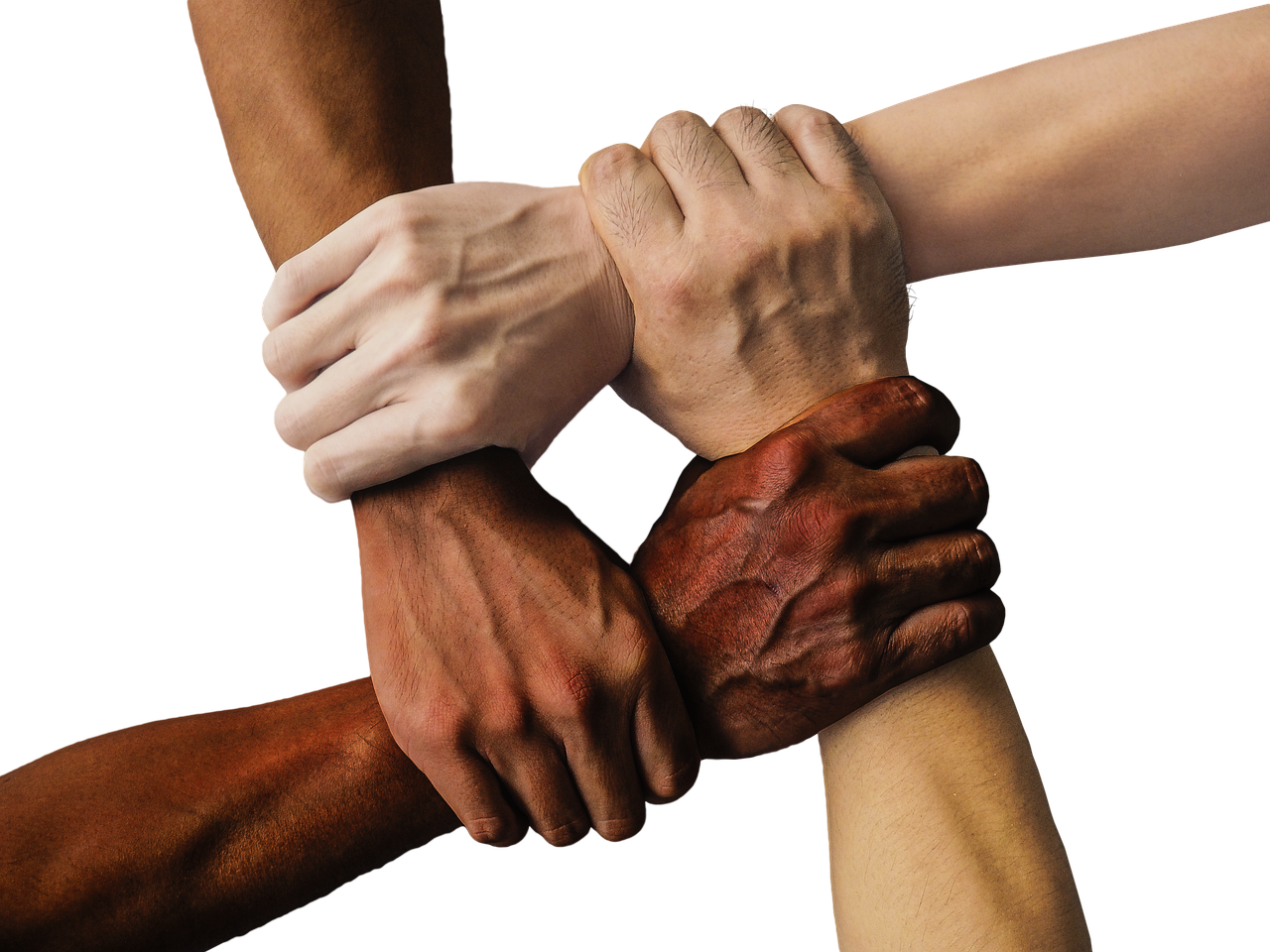

Social Support as a Mediator Between Fitness and Mental Health Outcomes
Engaging in fitness programs has proven benefits for mental health, but it is the social support that often enhances these benefits. Many individuals find that when they are part of a supportive community, they are more motivated to participate regularly in fitness activities. This consistent participation can lead to improved mental health outcomes, such as reduced symptoms of anxiety and depression. Social support can take many forms, including encouragement from friends, family, or peers in fitness classes. It helps maintain accountability, which is crucial for staying on track with fitness goals. Additionally, social relationships foster a sense of belonging, which is essential for mental well-being. In a supportive environment, individuals may feel safer to express themselves and confront their challenges. Therefore, social connections within fitness programs should not be overlooked. They can serve as a significant mediator, bridging the gap between engaging in physical exercise and experiencing mental health benefits. Ultimately, it highlights the importance of forming social bonds, promoting both physical activity and psychological resilience in our lives.
The Importance of Social Connections
When people engage in fitness activities, the relationships they build can greatly influence their motivation to continue. Strong social connections can act as both a buffer against stress and a source of encouragement. Many studies show that individuals with a robust support system are more likely to adhere to their fitness goals. This connection can manifest in group classes, running clubs, or even informal workout sessions with friends. The shared experiences can lead to feelings of camaraderie and a collective commitment to wellness. Furthermore, the emotional support received from peers often enhances enjoyment and satisfaction derived from physical activity. Social support can decrease feelings of isolation, which is often linked to various mental health issues. By participating in collective fitness activities, individuals can share their struggles and successes, reinforcing their commitment to personal well-being. Hence, fitness programs that foster social interaction not only promote physical health but also cultivate an environment conducive to emotional healing. The power of social connection cannot be underestimated. It plays a critical role in enabling participants to achieve long-term mental health improvements through consistent physical engagement.
Incorporating social support into fitness regimes can transform how participants view their efforts. When individuals perceive their fitness endeavors as communal rather than solitary, they tend to experience greater commitment. This shift can lead to more significant participation rates and, ultimately, better health outcomes. Moreover, when social support is present, individuals often report higher enjoyment levels during their workouts, making them less likely to perceive exercise as a chore. This positive reinforcement encourages continued engagement with fitness activities. Support from others can provide motivation on days when personal resolve may be lacking. Friends or family members attending classes or workouts together can create a sense of shared responsibility, reducing each person’s likelihood of skipping sessions. Over time, these social commitments may help reinforce healthy habits, translating into lasting lifestyle changes. By fostering a sense of belonging, fitness programs can harness the power of community, promoting sustained participation and enhancing mental health outcomes. The intricate dynamics of motivation driven by social support need to be further explored, as they hold promise for improving overall wellbeing.
Mechanisms of Social Support
The mechanisms by which social support positively influences fitness participation are multifaceted. First, emotional encouragement from friends or group members can provide the necessary boost when motivation dips. This boost can manifest itself in various forms, such as words of affirmation, shared excitement about fitness progress, or collaborative goal-setting. Furthermore, the presence of others can increase an individual’s perceived ability to engage in strenuous activities, maximizing workout performance and thereby enhancing physical fitness. When mutual goals are established, such as training for a marathon together, the direct correlation between shared accountability can profoundly impact performance. Moreover, the social environment also encourages individuals to engage in healthier lifestyle choices; observing peers practicing a healthy diet may inspire similar behaviors. The communal aspect of fitness thus creates a feedback loop: as individuals witness peers making progress, their motivation to achieve their own goals is ignited. To maximize these benefits, fitness programs should emphasize the integration of social support elements. By doing so, they can create a synergy that amplifies both physical activity adherence and mental health outcomes.
Another critical aspect of social support is peer reinforcement, which can be particularly effective in fitness settings. This includes validation from peers regarding one’s challenges and achievements in their fitness journey. Members participating along with supportive structures can help alleviate apprehensions and insecurities about exercising in public or intensive conditions. Sharing experiences with a group fosters a sense of normality concerning struggles. For example, group exercise sessions can help normalize feelings of fatigue or doubt, as participants see others experiencing similar challenges. This collective experience supports emotional well-being, reassuring individuals they are not alone in their endeavors. It’s vital to create platforms for sharing these experiences, whether through organized discussion groups or informal interactions during workouts. Furthermore, sharing personal stories about overcoming obstacles can provide invaluable insights and motivation, promoting a culture of resilience. As such, fitness programs can significantly benefit from incorporating designated times for sharing experiences, allowing participants to learn from one another and build confidence in their fitness routines and journey towards better mental health.
Creating Inclusive Fitness Programs
Creating inclusive fitness programs is essential to maximizing social support’s impact on mental health outcomes. Programs should not only focus on physical activity but also intentionally incorporate social bonding activities. Activities like team-building exercises, group challenges, or shared fitness goals can help foster those crucial social connections that enhance commitment. Additionally, it is important to ensure these programs cater to diverse populations and various fitness levels, providing modifications that encourage participation rather than intimidation. Inclusive programs facilitate an environment where individuals feel safe and accepted, and, thus, they are more likely to build social relationships. Engaging in activities that accommodate all skill levels promotes camaraderie and interaction, enriching relationships among participants. Moreover, social engagement should not be limited to just activities but also extend to community-building events. When individuals celebrate fitness milestones together, such as achieving a personal best or competing in friendly competitions, they solidify their social bonds. This practice cultivates a supportive community where everyone encourages each other’s journey toward improved mental health and fitness. Recognizing diversity in fitness needs is paramount in leveraging social support effectively.
The combination of fitness and social support requires ongoing evaluation and adaptation. To ensure that programs effectively meet the needs of participants, regular feedback should be gathered to identify additional social support mechanisms. Surveys, interviews, or group discussions can elicit valuable insights that guide improvements in program design. It is also essential to actively track participants’ mental health outcomes and fitness progress to assess the efficacy of the social support being provided. Programs should remain agile, capable of evolving based on participants’ needs and experiences. Producing a culture of openness where feedback is welcomed fosters a sense of ownership and encourages continued engagement. Moreover, it can lead to increased satisfaction with the program and a greater sense of community. Collaboration between fitness professionals and mental health practitioners can also enhance the effectiveness of such evaluations, ensuring a holistic approach. This synergy can provide insights that bridge physical activity and mental health effectively, creating a robust framework for participants. Ultimately, strengthening this connection paves the way for better mental health support within fitness initiatives.
In conclusion, the role of social support in fitness programs cannot be underestimated. Mental health benefits arise not only from physical activity but also from the connections forged within supportive environments. By recognizing the importance of social interaction in promoting adherence to fitness goals, mental health outcomes can be enhanced significantly. As fitness programs continue to evolve, integrating social support mechanisms should be a priority. Communities that promote wellbeing through collective fitness experiences can produce meaningful results in terms of participant satisfaction and mental health improvement. The collaborative spirit within fitness settings can catalyze personal transformations, leading to lasting benefits. Stakeholders in fitness and mental health must work together to create frameworks that prioritize social bonds and community engagement. Collaborative efforts that encourage group participation, shared challenges, and mutual support positively shape participants’ experiences. Overall, the interconnectedness between fitness, mental health, and social support is a promising avenue for enhancing overall well-being. As we acknowledge this relationship, we open the door to more inclusive fitness initiatives that effectively combine physical exercise and mental health recovery, leading to healthier and happier communities.