
Proper Hydration: Your Guide to Drinking Water at the Gym
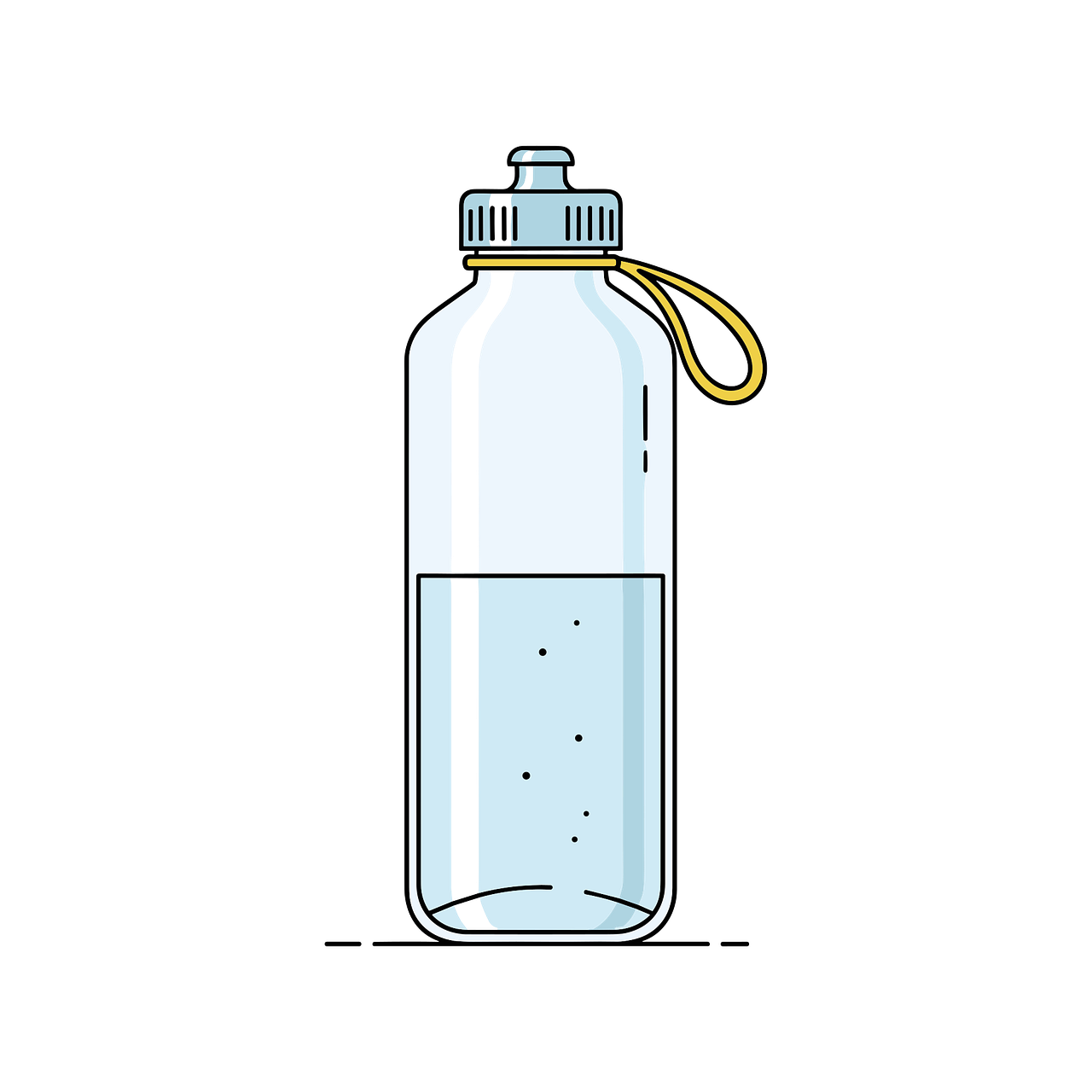
Staying properly hydrated is essential for optimal performance during workouts. Water plays a critical role in bodily functions and aids in regulating temperature and lubricating joints. When you engage in intense exercises, your body loses water through sweat. This water loss can lead to dehydration if not replenished, negatively impacting your overall performance and recovery. Consistently drinking water throughout your gym session helps you maintain energy levels and stamina. Moreover, adequate hydration can enhance focus and concentration, allowing you to push through more demanding workouts. The right amount of water consumption is individualistic and depends on various factors, including activity level, body weight, and environmental conditions. As a general rule, it is advisable to drink about 17-20 ounces of water at least two to three hours before exercising. Bringing a water bottle to the gym is a fantastic way to ensure that you have access to fluids while working out. It can also serve as a reminder to hydrate before, during, and after your sessions. Switching to electrolyte-infused beverages post-workout can also help recover lost fluids and minerals.
Understanding Thirst Signals
Recognizing thirst signals is significant in managing your hydration levels effectively. Thirst is the body’s natural method of alerting you to the need for water. It is vital not to ignore these signals. During workouts, you may not feel thirsty even as you sweat, so it’s prudent to hydrate regularly. Listening to your body and drinking water frequently can prevent dehydration. However, it’s also important to strike a balance. Over-hydration can lead to a condition known as hyponatremia, where sodium levels in your blood become dangerously low. This can occur when you consume excessive amounts of water without replacing lost electrolytes. Instead of waiting until you feel thirsty, take a proactive approach. Create a water intake schedule or aim to sip water every 15 to 20 minutes during your workout session. It can be helpful to set reminders on your phone or use a water tracking app to monitor your intake. Understand your personal hydration needs and adapt your water consumption accordingly for more effective workouts and better overall health.
For gym-goers, hydration timing can significantly influence performance. It is essential to develop a strategy for when to drink water, both before and after your workout. Ideally, you should start hydrating before hitting the gym. Drinking water in the hour leading up to your workout ensures that you are well-hydrated when it begins. This pre-hydration phase helps maintain stamina throughout your training. After your workout, it is crucial to continue hydrating, especially if your session was intense. Replenish fluids lost through sweat to facilitate recovery. Consuming water post-exercise not only aids in recovery but also helps reduce muscle soreness and fatigue. Additionally, consider incorporating snacks that contain water, such as fruits and vegetables, into your diet. Foods like watermelon, oranges, cucumbers, and celery are excellent choices for hydration. Keep in mind that your hydration needs may adjust based on workout intensity and duration. Monitor your body’s response and adjust your water intake accordingly to ensure optimal hydration and performance during your gym sessions.
Choosing the Right Beverage
While water is the best choice for hydration, sometimes alternatives may be beneficial. When engaging in prolonged or intense workouts, water alone may not suffice. In such scenarios, electrolyte-rich drinks can aid in replenishing lost electrolytes through sweat. Look for options that are low in sugar and high in electrolytes like sodium, potassium, and magnesium. These drinks help with hydration and enhance performance during strenuous activities. Sports drinks, coconut water, or electrolyte tablets are great options for those needing a boost during high-intensity workouts. However, be wary of consuming sugary drinks as they can lead to energy crashes. It’s essential to read labels and choose beverages that align with your dietary goals and workout routine. Hydration needs vary, so expertly gauge when to use water versus electrolyte drinks based on your activity levels, workout duration, and personal preferences. Additionally, be cautious with caffeine consumption as it can contribute to dehydration. Enjoy teas or coffee in moderation without compromising your overall hydration strategy or performance objectives during workouts.
In summary, proper hydration has a profound impact on your performance at the gym. Drinking water consistently before, during, and after workouts can boost overall fitness levels. Understanding your body’s signals, utilizing a hydration plan, and choosing the right beverages will enhance your exercise experience significantly. Pay attention to environmental factors like temperature and humidity that can increase water loss. Carrying a reusable water bottle allows you to keep track of your intake and serves as a motivational tool. Seek to establish a habitual routine around your drinking practices, adjusting your consumption based on specific workout challenges. A color chart can also help you assess hydration status based on urine color. Light yellow indicates good hydration, while darker shades signal a need to drink more fluids. Engaging with gym peers can promote accountability in maintaining hydration levels. A well-hydrated body performs better, recovers quicker, and enhances overall mental clarity during workouts. These are key factors for achieving your fitness goals effectively while prioritizing health and wellness. When you prioritize hydration, you set yourself up for success, maximizing every gym session’s potential and productivity.
Final Thoughts on Gym Hydration
Taking control of your hydration strategy is crucial for every gym enthusiast. Establishing good hydration habits sets the tone for physical performance and recovery. It’s essential to start hydrating well before your workouts and keep a steady intake during your exercise routine. Following your workout, do not forget to replenish fluids thoroughly. Additionally, pay attention to your personal hydration needs. No two bodies are identical, and factors such as climate, workout intensity, and duration can affect how much water you need. Seek professional advice from personal trainers or nutritionists if you are uncertain about your hydration needs. They can guide you in establishing a plan personalized to your lifestyle and activity levels. Remember that hydration is not just about drinking water; it also includes consuming foods high in water content. Finally, always listen to your body. If you find yourself becoming fatigued or lightheaded, take a break and hydrate. Your body will thank you as you enhance your performance and achieve your fitness goals successfully over time. Ultimately, a consistent and well-thought-out approach to hydration will pay off in many ways during workouts.
Before wrapping up, it’s important to highlight the merits of hydration education. Many gym-goers underestimate the problem of dehydration, leading to myriad issues such as reduced performance and focus. Educating yourself about hydration and its effects can significantly change your gym experience. Always stay informed about the right practices and adapt your habits to optimize hydration. Awareness extends beyond personal needs. Encouraging friends and fellow gym attendees to share good hydration habits can foster a supportive atmosphere. Create a culture of hydration where everyone recognizes its importance. Sharing knowledge about hydration can lead to a healthier community overall, pushing everyone towards their fitness goals. Remember that hydration should be prioritized and not left to chance. During difficult workouts, consider using visual aids and hydration reminders. This could be stickers on your water bottle or posters in gym areas prompting individuals to drink. Lastly, always remember that hydration is a lifestyle commitment and not just a means to an end during workouts. Commit to being your best self by making hydration an integral part of your fitness journey moving forward.
In conclusion, maintaining optimal hydration while at the gym is paramount for overall health and performance. Assess your hydration habits and make necessary improvements. Consider your individual needs, workout types, and adjust your intake accordingly. Staying proactive about hydration will ensure you maximize your workouts and aid recovery. Always keep in mind nutritional hydration comes from various sources, making it important to have both water and high-water-content foods in your diet. Stay aware of cues provided by your body, and don’t hesitate to reach out for guidance or support regarding hydration strategies. Engaging with qualified fitness and nutrition professionals can provide insightful information. This comprehensive approach towards hydration can significantly improve your workouts, health, and fitness goals. As you embrace proper hydration techniques, you will surely see changes in your energy levels, muscle recovery, and overall workout enjoyment. Make the commitment to not only drink water but to educate yourself about it. Prioritize proper hydration practices now, and watch as your gym experience transforms, leading to greater achievements and sustained health benefits for the future.