
Posture’s Effect on Self-Esteem and Social Interactions
Posture plays a crucial role in shaping our self-esteem and impacts how we interact with others. Studies suggest that our body language significantly influences not only how others perceive us but also how we perceive ourselves. Good posture, characterized by an upright spine, relaxed shoulders, and open body language, can create a sense of confidence. This can foster positive social interactions, making us appear more approachable. Conversely, slouched or closed-off body language can convey insecurity. A person may feel less confident when they are hunched over, which can lead to negative social feedback. Furthermore, this negative feedback can create a vicious cycle affecting overall mental health. The integration of posture awareness into daily life can enhance self-esteem markedly. Simple adjustments, such as ensuring a strong posture while standing or sitting, can change how we carry ourselves and react in social situations. Training ourselves to adopt proper posture can lead to a newfound sense of empowerment. It becomes essential, therefore, to practice good posture to improve not only our self-image but also our interactions with those around us in everyday encounters. An empowered stance communicates strength.
Understanding the Link Between Posture and Mental Health
Understanding the profound relationship between posture and mental health opens a new realm of self-awareness. Research has shown that maintaining good posture can lead to increased feelings of happiness and reduced anxiety. When we stand tall, we send signals to our brain that we are confident and in control. This can trigger beneficial hormonal changes. For instance, the production of serotonin increases, which is a neurotransmitter linked to feelings of well-being. On the other hand, poor posture correlates with stress, fatigue, and low self-esteem. Individuals who regularly exhibit slouched postures may find themselves facing challenges like chronic stress and anxiety disorders. This interaction between mind and body highlights the importance of being conscious of how we hold ourselves throughout the day. By engaging in regular posture exercises, small changes can be made for instant results in our mental outlook. Sitting up straighter at a desk or taking brief breaks to stretch can make a marked difference. Such changes foster a healthier mentality that translates to improved self-esteem. Overall, recognizing this posture-mental health connection is essential for fostering a balanced emotional state.
In everyday life, our posture can subtly yet significantly influence our social interactions. A person with good posture typically exudes confidence and self-assuredness. Many individuals gravitate towards those who display open and inviting body language, which is characterized by upright shoulders and an open chest. On the contrary, a closed-off posture can lead to a perception of unapproachability and discomfort in social settings. It is fascinating how a simple adjustment in posture can lead to more meaningful connections. When we engage fully and confidently through our body language, it also encourages others to respond in kind, fostering richer conversations. People often want to gravitate towards confident postures, and this can affect how we open up in discussions or group settings. Moreover, a strong posture can help in building leadership qualities and assertiveness, which are key attributes in social settings. The results of positive posture adjustments can lead to more satisfying interactions both personally and professionally. Self-reflection can help in recognizing these patterns and making necessary adjustments to improve the quality of social interactions effectively. By focusing on our posture, we tap into the potential for better communication.
Many people overlook the impact of posture on their self-image and social experiences without realizing its significance. Before making strides to improve, understanding our current posture habits is necessary. Awareness serves as the first step toward positive change. Self-esteem is often tied to how we perceive our appearances, which includes the effect of our body language. Poor self-image can stem from slouched shoulders, a dropped head, and closed-off stances, leading to feelings of inadequacy and the potential for social avoidance. However, by consciously working on adjusting these postures, individuals can alter their perceived self-worth. engaging in posture exercises can be beneficial, helping individuals feel better in their own skin. As parts of this journey, recognizing triggers for poor posture and actively working to correct them is essential for cultivating a healthier self-image. Posture awareness includes physical exercises as well as mental reminders to keep an upright posture in various settings. Whether standing in front of a mirror, adjusting our ergonomics at our workstations, or reminding ourselves when in conversation, these small efforts can change how we feel and interact with others significantly.
Practical Exercises to Improve Posture
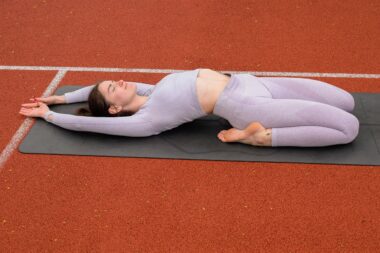
Incorporating practical exercises into daily routines is essential for improving posture while enhancing the connections to self-esteem and social interactions. Various exercises can help strengthen core muscles and align the spine properly. Some popular movements include wall angels, shoulder blade squeezes, and cat-cow stretches. These exercises not only promote better posture but also serve to relieve tension in the body resulting in a clearer mind. Practicing yoga regularly can improve flexibility and increase body awareness, which positively impacts posture. Additionally, simple mindfulness practices can enhance one’s focus on maintaining good posture during different activities. Engaging in daily stretches or workouts that target postural muscles can build a solid foundation for a confident demeanor. Also, consider solving ergonomic problems by adjusting desk and chair heights for better alignment, thereby addressing any discomfort caused by bad posture. Over time, these changes, although they may begin as conscious efforts, can evolve into natural habits, significantly improving overall well-being. By maintaining a strong connection between exercise and daily life, improved posture practices open the door to newfound confidence during social interactions.
Recognizing that social interactions significantly benefit from improved posture is essential. The benefits of adopting better posture can yield long-term advantages for mental health and relationships. People tend to respond positively to those who stand tall and engage with confidence. This creates a feedback loop: confident behaviors lead to favorable social reactions, which in turn reinforce positive self-image. It is essential to acknowledge this dynamic when navigating social circumstances. Moreover, as our posture improves, we may notice shifts in our mindset. Social situations that once felt uncomfortable can transform into opportunities for engagement and connection. Making a conscious effort to work on posture not only builds confidence but cultivates an open and inviting atmosphere in interactions. The ability to express oneself naturally without the hindrance of poor posture is liberating. Understanding how posture influences self-esteem, perception, and social dynamics allows individuals to take charge of their interactions more effectively. Recognizing this link empowers us to create lasting change, leading to greater happiness in social settings. Ultimately, striving to maintain and improve posture serves as a pathway to healthier mental well-being and meaningful relationships.
In conclusion, maintaining good posture is crucial for enhancing self-esteem and enriching social interactions. The relationship between body language and mental health is undeniable. An empowered stance encourages confidence, fosters connection, and alleviates social anxiety. As we become more aware of how posture affects our interactions, we gain valuable tools for change. Simple adjustments to our postural habits can lead to significant improvements in our overall emotional state. Initiating the practice of good posture can translate into better communication skills and create stronger interpersonal relationships. Beyond the physical aspects of posture, the psychological impacts also play a vital role in shaping how we perceive ourselves and how others perceive us. Being mindful of our body language empowers us to capitalize on opportunities in social settings. As individuals implement learned techniques to enhance their posture, they cultivate an aura of confidence that draws others in. With practical exercises and relatable strategies, anyone can improve their posture and, consequently, their self-esteem. In harnessing the power of posture, we can flourish in our social interactions and build compelling connections with those around us.