
Menopause, Nutrition, and Hormonal Health Strategies
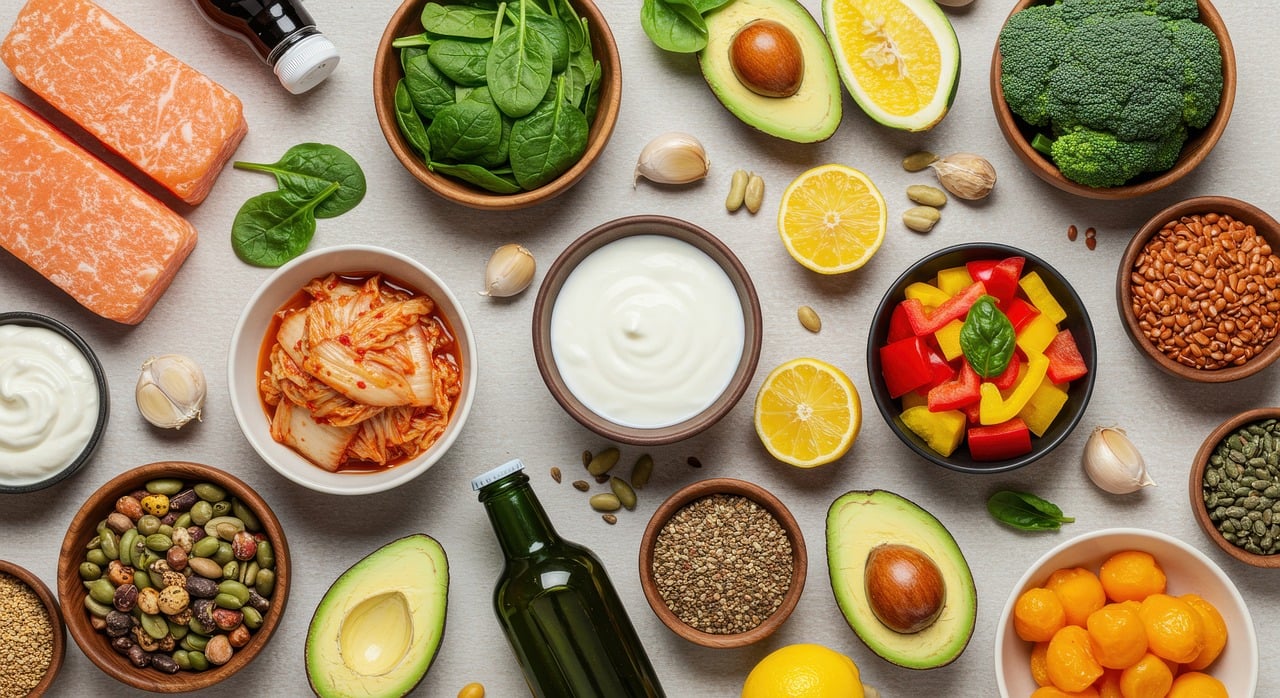
Navigating menopause presents unique challenges that impact women’s hormonal health. Understanding nutrition tailored for this phase is critical in promoting overall well-being. Focusing on specific nutrients can support hormonal balance during this transition. For instance, incorporating foods rich in omega-3 fatty acids, such as fish and flaxseeds, can alleviate symptoms like hot flashes. Additionally, whole grains and legumes are beneficial for maintaining stable blood sugar levels, which can often fluctuate during menopause. Dark leafy greens, such as spinach and kale, provide vital minerals like calcium and magnesium. Furthermore, phytoestrogens, found in soy products, can mimic estrogen in the body, potentially easing hormonal imbalances. Proper hydration is equally important; at least eight glasses of water per day can help reduce bloating and fatigue. Incorporating a diverse variety of fruits and vegetables introduces essential vitamins and antioxidants. Paying attention to portion sizes can prevent unwanted weight gain. Finally, if further guidance is needed, consider consulting with a registered dietitian for personalized meal plans that cater specifically to hormonal health.
Understanding the Role of Hormones
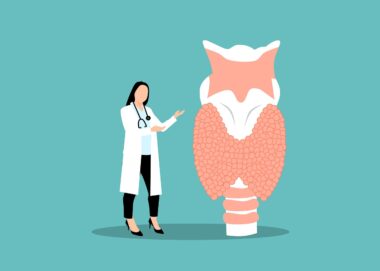
Hormones significantly influence various bodily functions, particularly during menopause. The decreasing levels of estrogen and progesterone can create a domino effect on metabolism, mood, and overall health. Recognizing the role of hormones helps women understand how their nutritional needs are adjusting. The shift in hormones can lead to symptoms such as irritability, sleep disturbances, and weight gain. To combat these changes, consult with a healthcare provider to assess hormone levels accurately. Supplementing with vitamins and minerals can also play a supporting role in easing these symptoms. Vitamin D is vital for bone health, especially since estrogen helps maintain bone density. Foods high in vitamin D, such as fortified dairy products and fatty fish, should be included. Additionally, regular physical activity complements a healthy diet, enhancing mood and supporting metabolism. It’s essential to incorporate strength training to boost muscle mass, which can decline during menopause. Emphasizing these combined strategies aids in establishing a sense of control during this transformative period in a woman’s life. Hormonal balance through diet and exercise fosters empowerment.
Incorporating balanced meals into daily routines aids in leveling hormone fluctuations. A successful dietary strategy involves focusing on macronutrient ratios that work harmoniously with hormonal changes. Meals should combine lean proteins, healthy fats, and complex carbohydrates for sustained energy. Protein sources, such as chicken, beans, and lentils, can aid in preserving muscle mass. Healthy fats, represented by avocados and nuts, provide essential fatty acids vital for hormonal production. Complex carbohydrates from vegetables and whole grains not only offer energy but also stabilize blood sugar levels. Implementing meal prepping can ensure healthy choices are readily available, easing decision fatigue. Adopting mindful eating practices can enhance the connection to hunger cues and personal satiety levels. Women may also benefit from creating a food journal to track symptoms and dietary habits for further insights. A focus on portion control prevents overeating and promotes mindful eating. Frequent smaller meals can also discourage energy dips. Upon aligning nutrition with hormonal health, positive lifestyle changes emerge, leading to improved well-being during menopause and beyond. Supporting oneself with the correct diet can bolster resilience against challenging symptoms.
The Importance of Micronutrients
Micronutrients, including vitamins and minerals, play a vital role in enhancing hormonal health during menopause. Specific micronutrients can contribute to reducing menopausal symptoms. For instance, calcium and vitamin D are crucial for maintaining bone density, helping to prevent osteoporosis. Women should aim for about 1,200 mg of calcium daily, found in dairy, fortified non-dairy substitutes, and leafy greens. Vitamin D aids calcium absorption, with sunlight exposure being the most natural source. However, supplementation may be necessary, especially if deficiencies are noted. Magnesium is another beneficial mineral that can help alleviate mood swings and promote better sleep. Foods rich in magnesium include nuts, seeds, and whole grains. Additionally, B vitamins support energy levels and are essential for metabolic processes. Sources include whole grains, meats, and green leafy vegetables. Antioxidants, found in brightly colored fruits and vegetables, can combat oxidative stress. Emphasizing a variety of these nutrient-dense foods can lead to improved hormonal balance. Regularly assess dietary habits to ensure an adequate intake of micronutrients, which is a foundational aspect of effective menopause management.
Beyond dietary choices, lifestyle factors greatly influence hormonal health during menopause. Regular physical activity is one of the most impactful strategies for combating menopausal symptoms. Aim for at least 150 minutes of moderate aerobic exercise per week. Incorporating strength training into the routine improves muscle mass while aiding metabolic health. This balance becomes crucial as hormone changes may lead to weight gain. Moreover, yoga and relaxation techniques can help reduce stress that negatively influences hormonal balance. Chronic stress can elevate cortisol levels, leading to weight gain around the midsection. Prioritizing self-care, such as meditation or journaling, can enhance mental well-being and foster resilience. Adequate sleep is another key component; aim for 7–9 hours of quality rest regularly. Sleep disturbances are common during menopause, emphasizing the need for good sleep hygiene practices. Create a calming bedtime routine and ensure the sleep environment is conducive for rest. Lastly, maintain a strong social support system, as connecting with others can enhance emotional health. These lifestyle tweaks create a holistic approach to managing menopause.
Understanding Food Labels
Becoming adept at reading food labels supports informed nutritional choices that benefit hormonal health. Modern packaged foods are often misleading in their presentations. Aim to minimize highly processed items that may contain unhealthy additives and excessive sugars. The ingredient list is crucial; ideally, foods should feature recognizable, whole ingredients, which promotes optimal nutrition. Recognizing the difference between serving sizes and actual portions is vital. Serving sizes often appear smaller than what a person might realistically consume, leading to misunderstandings regarding calorie intake. Understanding the nutritional values can enable individuals to assess daily needs for macronutrients and micronutrients accurately. Pay close attention to added sugars, sodium, and unhealthy fats, as these can exacerbate menopausal symptoms. Making conscious decisions based on labels can help prioritize healthful options. When possible, choose organic or minimally processed foods to avoid pesticides and preservatives. Incorporating whole foods rich in fiber, such as fruits, vegetables, and whole grains, can support digestive health, which is often impacted during menopause. Educating oneself about nutritional information is essential in promoting healthy menopause management effectively.
Lastly, monitoring hydration levels is another aspect of nutrition essential for hormonal health. Proper hydration enhances physical and mental energy, supporting overall functionality. Hydration can become especially important as hormonal changes may cause skin dryness and other symptoms. Aim to drink at least eight glasses of water daily; adjustments can be made for physical activity levels and climate conditions. Sipping throughout the day ensures consistent hydration and can prevent energy slumps. Consuming hydrating foods like cucumbers, watermelon, and oranges can complement fluid intake. Herbal teas can offer soothing benefits and contribute to hydration, providing warmth without added sugars. Limiting beverages high in caffeine and sugar aids in preventing dehydration and mood swings. Remember, alcohol should be consumed in moderation, as it can exacerbate hot flashes and impact sleep quality. Balancing hydration with nutrient-dense foods leads to a holistic approach to managing menopause. As women forge ahead into this new life phase, prioritizing hydration can improve quality of life significantly. Establishing this as a lifelong habit serves to maintain well-being into later years.