
Managing Lower Back Pain in Different Body Types through Pilates
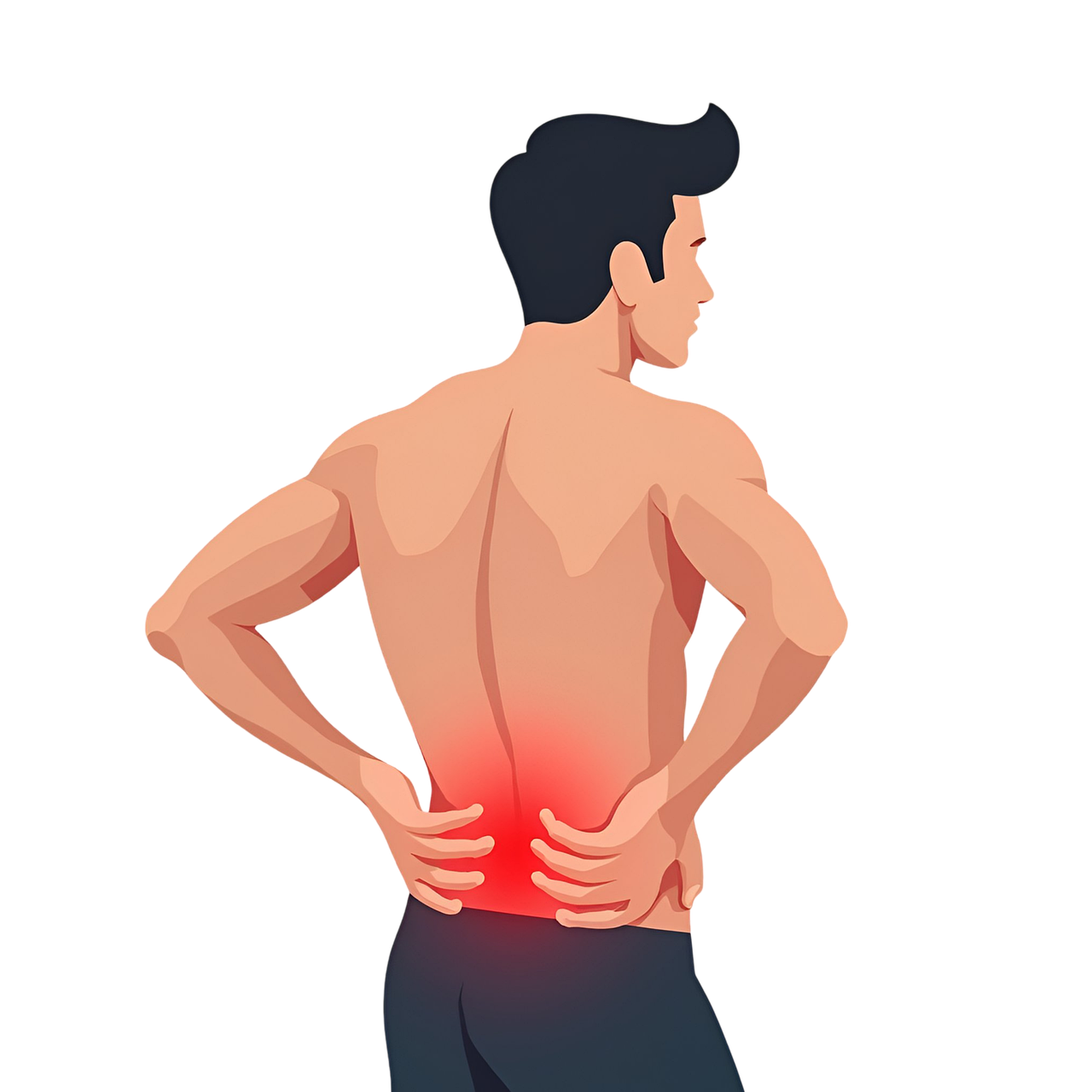
Lower back pain is a pervasive issue that affects many individuals, irrespective of their body type. Pilates offers a unique approach to managing and alleviating lower back pain by focusing on core stability, strength, and flexibility. The principles of Pilates can be particularly beneficial for different body types, including endomorphs, mesomorphs, and ectomorphs. Each body type has its distinct characteristics, and thus, requires tailored Pilates routines to address their specific needs effectively. For endomorphs, who typically have a larger frame, ensuring proper alignment during exercises is crucial to avoid undue strain on the lower back. Mesomorphs, known for their muscular build, can incorporate strength training movements, while also ensuring they maintain flexibility. Ectomorphs, with their slender physique, might benefit from low-impact Pilates routines geared towards building strength without excessive strain on their joints. A personalized approach ensures that those practicing Pilates can experience relief from lower back pain while enhancing their overall physical health. Thus, Pilates serves as an excellent avenue to cater to varying body types and their individual challenges regarding lower back pain.
Understanding Body Types and Their Impact on Pilates Practice
Different body types can profoundly influence how individuals experience lower back pain and their responses to exercise regimens like Pilates. Understanding one’s body type is essential before embarking on a Pilates journey. Endomorphs might find that their tendency to carry extra weight affects their ability to perform certain movements. This body type often requires modification to ensure proper form and prevent injury. Conversely, mesomorphs naturally gravitate toward building strength, which may lead to tighter muscles around the lower back, making flexibility a focus during sessions. Ectomorphs, while generally more limber, may need to increase strength to stabilize their lower back and prevent strain. Tailoring workouts not only addresses pain management but also promotes a more enjoyable and effective experience. Additionally, recognizing body types allows for improved awareness during workouts, ensuring each participant can adjust movements as necessary. By understanding these differences, Pilates instructors can deliver personalized sessions that empower each participant and enhance overall physical wellness. This individualized approach is key to achieving optimal results while also promoting injury prevention, particularly concerning the often troubling lower back pain.
Pilates exercises can be strategically employed to alleviate lower back pain by fostering core strength and improving spinal alignment. For individuals with various body types, specific exercises can be more effective in addressing their unique challenges. For example, endomorphs may benefit greatly from pilates moves focusing on pelvic stabilization, as their mobilization may lead to exaggerated pelvic tilting, impacting the spine. Exercises like the Bridge or the modified Cat-Cow pose can significantly enhance core stability. Mesomorphs, meanwhile, may find that strength-focused exercises such as the Plank provide great benefits while also incorporating hip flexor stretches can mitigate tension in the lower back. Lastly, ectomorphs might focus on lengthening moves, ensuring they are building muscle without compromising on flexibility. Incorporating properties like breathing techniques emphasizes the mind-body connection, crucial for therapeutic gains. Therefore, devising a routine that considers body types’ strengths and weaknesses serves to optimize outcomes. Ultimately, by adapting their practice based on body type and the specific nature of their back pain, individuals can enjoy greater relief from discomfort and enhance their overall health and wellbeing.
Incorporating proper breathing techniques into Pilates is essential for managing lower back pain across all body types. Breathing deeply allows for increased oxygen flow to the muscles, facilitating better movement and reducing discomfort. For endomorphs, focusing on diaphragmatic breathing can help engage the core effectively, leading to greater stability in the lumbar region. Mesomorphs benefit from controlled breathing, which aids in maintaining strength during challenging exercises and promotes relaxation after sessions. On the other hand, ectomorphs may use breath patterns to support deeper engagement during stretching, ensuring both muscle lengthening and strength building occur harmoniously. Consistent practice of deep breathing promotes relaxation, reduces stress, and can alleviate physical tension that contributes to back pain. Integrating breath work helps practitioners become more aware of their bodies, enabling them to adjust movements as necessary. Additionally, instructors should emphasize the importance of alignment and engage participants in exploring how breathing supports their Pilates practice. Thus, by enhancing one’s awareness of breath during Pilates, individuals can create a more supportive environment for healing their lower back pain. This approach not only targets specific pain but also enhances overall physical well-being.
Flexibility is a key component when addressing lower back pain through Pilates, especially when considering the body type variations. Individual flexibility levels vary significantly, impacting the range of motion and potential discomfort in exercises. Endomorphs may struggle with tightness in their hips and hamstrings, requiring modified flexibility training to avoid straining their lower backs. Exercises like the seated forward fold or gentle spinal twists should be introduced carefully to improve this region’s mobility. Mesomorphs often have natural flexibility, yet they still need to focus on maintaining it while building strength to prevent soreness in their lower back. Conditioning stretches must be included in their routines to balance strength with flexibility. For ectomorphs, while generally more flexible, the challenge often lies in achieving enough core stability to support this flexibility effectively. Hence, static and dynamic stretches should be included in their programs, ensuring strength and flexibility contribute positively to their overall Pilates experience. Through consistent practice, each body type can embrace specific flexibility exercises that support their unique structures, ultimately leading to enhanced performance and significantly relieved lower back discomfort.
Mindfulness and body awareness play crucial roles in Pilates, particularly for managing lower back pain across various body types. Cultivating a mindful approach enables individuals to connect deeply with their movements, facilitating a better understanding of how their body reacts during exercise. Endomorphs may benefit from focusing on slow, deliberate movements, which can enhance their body awareness and ensure activation of the core. Mesomorphs, with natural strength, should also practice mindfulness, paying close attention to maintaining proper form to avoid exacerbating tension in the lower back. In contrast, ectomorphs may struggle against laxity; thus, they should be reminded to engage their muscles actively during Pilates. Creating a mental checklist of body alignment can help keep the focus on maintaining stability and avoiding strain. Instructors can encourage participants to integrate mindfulness as part of their practice, promoting a more profound connection between thoughts and actions. Ultimately, fostering attentiveness to bodily sensations during sessions can transform Pilates practice into a therapeutic journey, paving the way for managing pain effectively, enhancing pleasure in exercise, and promoting holistic health.
Building a supportive Pilates community can be invaluable for managing lower back pain among individuals with different body types. Sharing experiences and engaging with others going through similar challenges fosters both motivation and support, essential components in any wellness journey. Endomorphs may find encouragement from peers, while mesomorphs can share insights on strength-building methods effective for lower back care. Ectomorphs, in pursuit of flexibility, may establish productive practices through shared learning experiences. Additionally, community classes and workshops can provide valuable guidance from seasoned instructors specializing in adaptations for varied body types. Group sessions create an inclusive environment for all participants, enhancing personal accountability and continuity through shared goals. Establishing a network also supports emotional well-being, reducing the isolation individuals may feel when managing chronic pain. By participating in group Pilates, practitioners can exchange tips and develop new techniques tailored to their unique needs, promoting camaraderie and enhancing overall experience. Ultimately, a supportive Pilates community acts as a powerful catalyst for motivation, progress, and healing, allowing individuals to navigate lower back pain together while fostering a holistic approach towards body health.
In conclusion, Pilates serves as an effective method for managing lower back pain across various body types through tailored approaches and mindful practices. Recognizing one’s body type allows for customized routines that cater to individual needs. Endomorphs benefit from focusing on alignment, mesomorphs enhance strength while maintaining flexibility, and ectomorphs work on muscle stability during stretches. Breathing techniques significantly enhance awareness and mindfulness, while the incorporation of flexibility routines ensures comprehensive support. It is crucial to foster a supportive community around Pilates practice to empower individuals facing similar challenges. By creating a nurturing environment that emphasizes shared experiences, participants enhance their motivation and can effectively navigate their journeys toward recovery. As practitioners become more attuned to their bodies and recognize how Pilates impacts their pain, they foster a deeper connection with the practice. This journey is integral to combating lower back pain and enhancing overall health and wellness. Thus, embracing the specific needs of distinct body types in the context of Pilates can lead to significant improvement in managing discomfort, promoting long-lasting benefits, and how individuals feel about their bodies.