
Iyengar Yoga: Precision and Alignment Techniques
Iyengar Yoga, founded by B.K.S. Iyengar, emphasizes precision in alignment and the use of props. This unique approach allows practitioners to achieve deep poses with the correctness essential for physical health. The method encourages awareness, discipline, and concentration through various postures. The principles behind Iyengar Yoga focus on the alignment of the body in the asanas, maximizing their benefits while minimizing injury risk. It is a holistic practice that integrates the mind, body, and breath. Using tools such as belts, blocks, and blankets enables students to master postures they may find challenging. By focusing on alignment, practitioners cultivate a deeper understanding of their bodies. Over time, this also fosters greater physical strength and flexibility. Iyengar Yoga can be beneficial for all, irrespective of age and fitness levels. Beginners, advanced students, and even those recovering from injuries can find suitable classes. The progression of skills ensures that every practitioner can advance at their own pace while reaping the rewards of consistent practice. Overall, Iyengar Yoga is a valuable practice that enriches both physical and mental well-being.
The practice of Iyengar Yoga involves a systematic approach to body alignment. Each pose is held longer than in other styles, allowing deeper exploration and understanding of the asanas. Attention to detail in positioning enhances the physical benefits of the postures. Iyengar Yoga aims to help practitioners achieve balance within themselves, encouraging proper body mechanics. This alignment process emphasizes the importance of foundational stability before progressing to advanced variations. The clarity and structure in this system foster confidence in practitioners, enabling them to deepen their practice progressively. Classes often include a variety of poses that not only engage different muscle groups but also promote an understanding of how they interact. Students learn about the body’s structural integrity as they practice various inversions, standing postures, and seated stretches. The work with props ensures that even those with limitations can practice effectively. In this way, Iyengar Yoga honors the principle that yoga is accessible to everyone. Regular practice cultivates patience, focus, and inner peace, aligning the physical and mental aspects of the self. This transformational journey is truly empowering.
Benefits of Iyengar Yoga
The benefits of practicing Iyengar Yoga extend beyond physical fitness. Many individuals experience improved mental clarity and enhanced emotional resilience. The emphasis on alignment allows for a greater connection to the self, often leading to self-discovery and personal growth. Asanas in this practice improve flexibility, strength, and balance while reducing stress levels. Furthermore, practitioners often notice better posture and alignment in everyday activities. Iyengar Yoga addresses both physical and mental aspects of well-being, making it an excellent choice for those seeking holistic health. Many practitioners report enhanced focus and concentration due to the mindful nature of the practice. This combination of physical movement and mental discipline can lead to improved performance in other areas of life, such as work or studies. The environment of a class typically creates a supportive community that fosters motivation and connection among participants. Such interactions often inspire lifelong friendships. Moreover, Iyengar Yoga can be particularly beneficial for individuals with specific health concerns, providing therapeutic benefits with practiced guidance. The personalized approach in this style allows individuals to explore their limits safely.
To get started with Iyengar Yoga, it’s important to find a qualified instructor. Learners should seek classes that prioritize alignment and use props effectively. Beginner classes typically focus on foundational asanas, giving students the tools they need to progress safely. Instructors will guide practitioners on how to adjust poses to fit their individual needs, ensuring a personalized experience. It’s also advisable to practice regularly to cultivate the physical and mental qualities of yoga. Establishing a consistent schedule helps build strength, flexibility, and endurance over time. In addition to group classes, many practitioners choose to incorporate home practice into their routine. This can be a valuable supplement to class work. Tools like instructional videos or books can aid in developing a personalized practice. One unique aspect of Iyengar Yoga is the repetitive practice of poses, which reinforces learning and understanding of postural alignment. Each session helps deepen awareness while allowing students to observe their progress. Combining group instruction with home exploration can solidify skills and encourage ongoing development. Ultimately, students may find empowerment through their continuous journey in this ancient art form.
Common Iyengar Yoga Poses
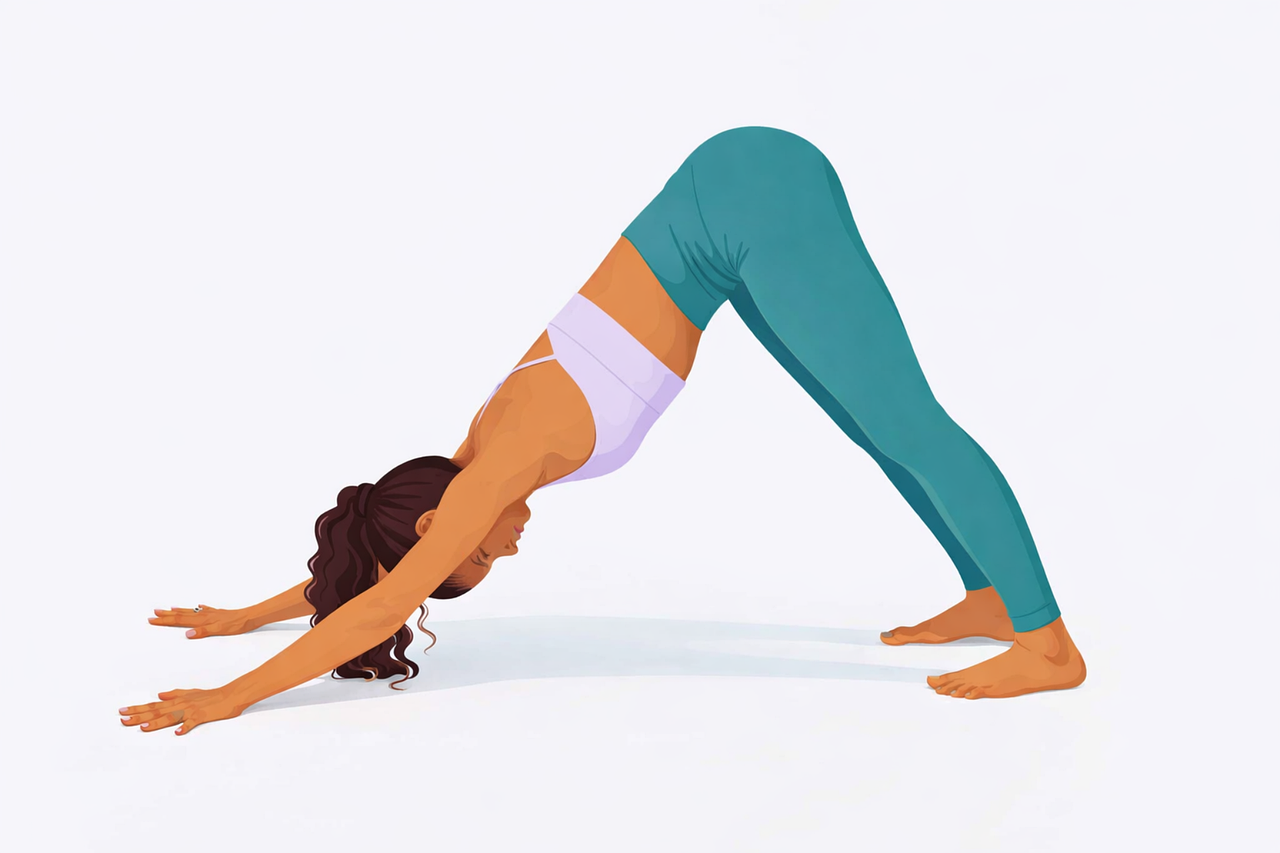
Several signature poses define Iyengar Yoga, such as Tadasana (Mountain Pose) and Adho Mukha Svanasana (Downward-Facing Dog). These poses serve as foundational elements for practitioners. Each asana invokes stability and alignment, which are essential for creating a strong practice. Sukhasana (Easy Pose) and Viparita Karani (Legs-Up-the-Wall Pose) promote relaxation and rejuvenation, reinforcing Iyengar Yoga’s therapeutic benefits. Practicing these foundational postures allows students to deepen their understanding of alignment principles. Moreover, poses like Trikonasana (Triangle Pose) and Virabhadrasana (Warrior Pose) challenge balance and strength. These dynamic asanas encourage flexibility in the hips and spine. As students become more comfortable, they can explore advanced variations, enhancing their skill set. Incorporating props assists in achieving optimal alignment, especially for beginners. Regular practice of these postures fosters greater body awareness and understanding of individual limitations. Transitioning through poses encourages fluid movement and breath synchronization. This mindful approach instills confidence and encourages growth. Additionally, practitioners learn to listen to their bodies, allowing for modifications when necessary. Such awareness ultimately leads to a powerful, transformative yoga journey.
Safety is a critical aspect of Iyengar Yoga, where alignment prevents injuries during practice. Practitioners are taught to listen to their bodies and respect their limits. Proper instruction ensures that students are aware of their body’s capabilities, minimizing injury risks. The gradual buildup of strength allows practitioners to understand how to enter each pose correctly. Preparatory poses often precede advanced postures to create a safe foundation. By starting with simpler variations, students develop the necessary skills to advance safely. During classes, instructors offer one-on-one guidance, ensuring personalized support. Verbal cues and hands-on adjustments help clarify alignment principles. This attention to detail distinguishes Iyengar Yoga and enhances the overall experience. Furthermore, proper warm-ups and cool-downs contribute to safe practice. Transitioning mindfully into and out of poses protects muscles and joints, facilitating injury-free growth. Students are encouraged to acknowledge discomfort, differentiating between healthy stretch and pain. Modifications or alternate poses may be suggested based on individual needs. Over time, individuals develop a deeper understanding of their physiological limits. This awareness encourages sustainable practice that aligns with personal goals and fosters lifelong engagement with yoga.
Conclusion: The Journey with Iyengar Yoga
Embarking on a journey with Iyengar Yoga can initiate personal transformation. The combination of precise alignment and mindful movement fosters physical, mental, and emotional growth. As students deepen their practice, they cultivate patience, resilience, and self-acceptance. The experience promotes not only fitness but also introspection, enhancing overall quality of life. A supportive community often emerges through shared practice, encouraging individuals to stay connected and inspired. As practitioners explore the vastness of yoga, they become more attuned to their breath and body, fostering a sense of inner peace. Through various postures, individuals discover unique strengths and overcome limitations. The personalized approach of Iyengar Yoga empowers students to forge their unique paths while honoring the traditions of yoga. This journey often leads to a lifelong commitment to wellbeing. Whether practicing in a studio or at home, each individual’s experience becomes enriching and fulfilling. Ultimately, Iyengar Yoga invites continuous exploration and integration of its principles into daily life. With persistence, practitioners celebrate personal milestones, redefining their physical capabilities while cultivating an appreciation for the art of yoga.