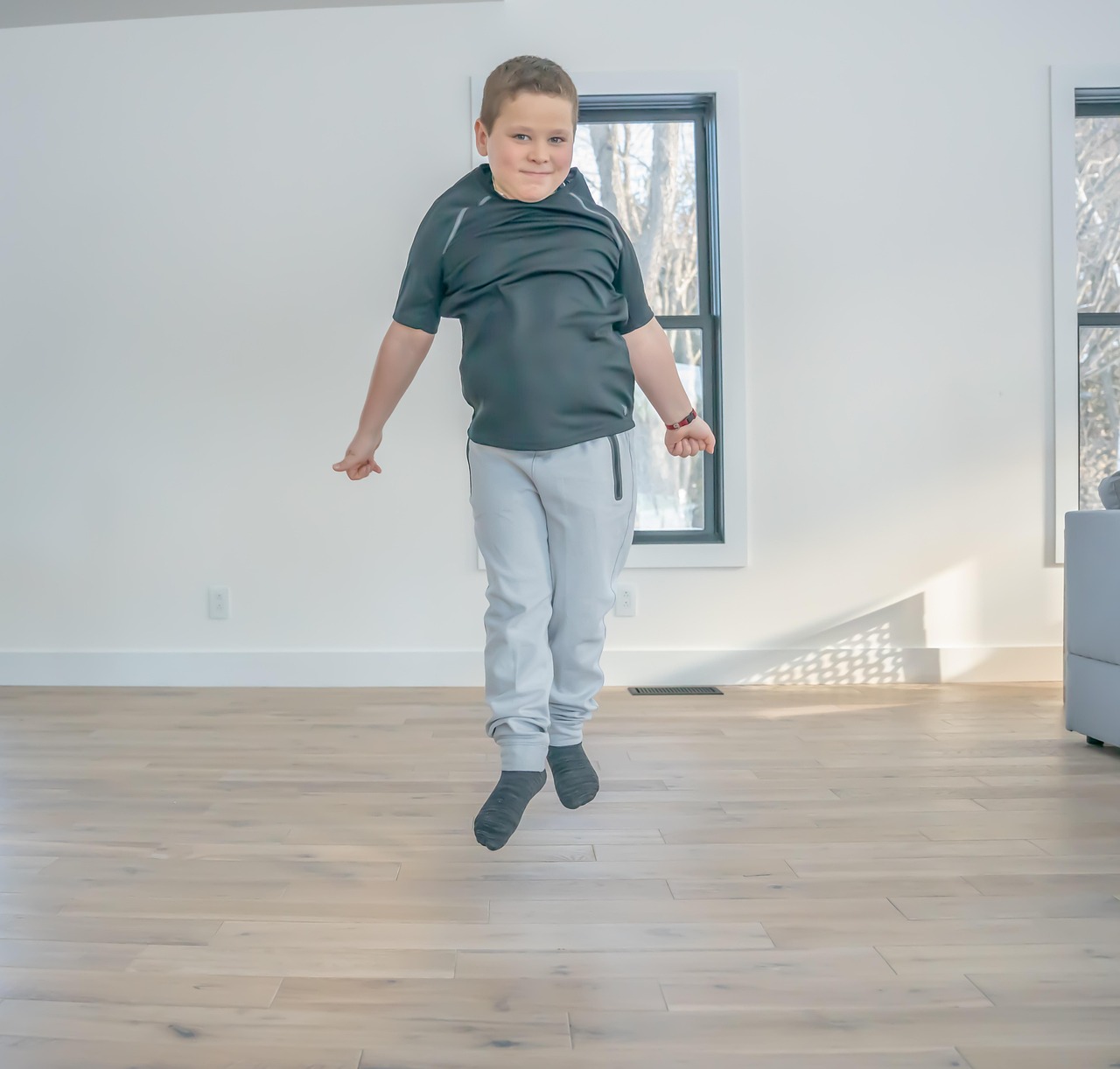

How Trainers Inspire Confidence in Kids and Teens
The role of trainers and coaches in the fitness journey of kids and teens is crucial. They serve not only as instructors but also as mentors who significantly impact a young person’s confidence. When trainers motivate youngsters, they encourage them to push their limits while ensuring safety and ensuring they are having fun. Building self-esteem in young individuals can lead to them developing a positive self-image, which is vital during these formative years. With proper guidance, they learn the essentials of physical fitness, but it is the inspiration from coaches that ignites their passion for activity. Trainers often create a supportive, uplifting environment where children feel safe to express themselves and make mistakes without fear of judgment. Through tailored fitness programs, trainers can address each individual’s unique strengths and weaknesses, maximizing their potential. Additionally, trainers often establish a strong rapport with their students, fostering trust and openness. This dynamic relationship encourages kids to take risks, embrace challenges, and strive for personal improvement. Ultimately, active engagement by trainers can leave a lasting impression that shapes a youth’s relationship with fitness and health in their future.
The Power of Positive Reinforcement
Positive reinforcement is a powerful tool that trainers use to inspire confidence in young people. By recognizing and celebrating achievements, no matter how small, trainers encourage continued effort and determination. This technique instills a sense of accomplishment within kids and teens, leading them to feel more confident in their abilities. Moreover, trainers who provide constructive feedback and support when needed create a growth mindset among their students. Instead of being discouraged by setbacks, they learn to view challenges as learning opportunities. Trainers can utilize specific strategies such as public praise in group settings or private acknowledgment of personal milestones to boost confidence. For instance, a trainer might highlight a child’s improvement in skill or endurance during a session. This can lead to a supportive atmosphere where all participants feel valued. Additionally, trainers can set realistic and achievable goals tailored to each child’s capability. This goal-oriented approach makes fitness more accessible, and children become increasingly confident as they meet and exceed their personal targets. Such engagement fosters dedication and enthusiasm toward fitness, making kids and teens more likely to incorporate exercise into their daily lives.
Another essential aspect of the role of trainers involves creating a sense of community within the fitness environment. Many young people feel intimidated by the idea of working out, particularly in unfamiliar settings. However, a trainer who nurtures a welcoming atmosphere helps mitigate these fears. By integrating team-building exercises and group challenges, trainers can promote camaraderie among participants. This interaction fosters friendships and mutual support, making fitness feel less like a chore and more of a shared experience. When kids and teens feel they belong, they are more likely to engage fully and challenge themselves. Furthermore, establishing routines and regular group sessions helps participants anticipate their time together, building excitement and commitment to fitness. Coaches can encourage kids to support one another, further establishing accountability and motivation. As they cheer each other on during workouts, participants bolster each other’s confidence. Engaging in fun activities that foster bonding can significantly influence energy levels and overall participation. Whether through friendly competition or collective workouts, these dynamics help to inspire a love for fitness and camaraderie among peers. In turn, this collaborative spirit empowers them and enhances their overall confidence in their abilities.
Emphasizing Skill Development
Trainers play a significant role in emphasizing skill development, leading to improved proficiency and confidence in physical activities. Each new skill acquired can be a stepping stone toward building self-assurance. When a trainer effectively teaches and progresses from foundational skills to more advanced techniques, young athletes quickly see their growth and development. This process not only instills confidence but also fuels motivation for continued improvement. Trainers can utilize specific drills that focus on skill accuracy and execution; through repetition, young participants steadily build their competence. Furthermore, allowing opportunities for young athletes to showcase their skills in a supportive environment can significantly contribute to this confidence. Competitions, whether formal or informal, can serve as excellent platforms for children to demonstrate what they’ve learned. Moreover, trainers should celebrate individual accomplishments during these events, further reinforcing the value of hard work. By creating a safe space for practice and performance, trainers can alleviate anxiety that may come with competition. Gradually, as participants become more adept at various skills, they also become more willing to engage in challenges. Thus, each skill mastered serves to enhance self-confidence and instills a readiness for future endeavors.
A trainer’s role extends beyond just guiding workouts; they also foster mental resilience in kids and teens. Building confidence involves cultivating a positive mindset, which can be achieved through various techniques. Trainers often introduce mindfulness exercises, breathing techniques, and motivational discussions to help youngsters manage stress and anxiety. Teaching kids to harness their mental strength allows them to remain focused and enthusiastic during workouts. Moreover, incorporating visualization strategies where participants envision their success can significantly boost confidence. Trainers can guide them to see themselves achieving fitness goals—this mental exercise sharpens their determination and grows their belief in their capabilities. Emphasizing the importance of a growth mindset is another helpful approach. When students understand that effort and perseverance yield improvement, they are more likely to embrace challenges and setbacks as opportunities to grow. Such insights encourage kids to replace negative self-talk with affirmations and encouragement. Additionally, creating an environment where everyone shares their personal challenges promotes vulnerability and openness. As trainers validate these feelings, they empower participants to confront fears and push through discomfort, ultimately leading to stronger self-confidence. This empowerment also extends beyond fitness to various aspects of their lives.
Setting an Example
Trainers serve as role models for young individuals, significantly impacting their development of confidence. Their attitudes, behaviors, and dedication can inspire kids and teens to adopt similar habits. A trainer who demonstrates good sportsmanship, positivity, and a strong work ethic sends a powerful message to their students. For instance, watching a trainer practice healthy habits in their own lives reinforces the importance of fitness and well-being. As trainers show enthusiasm and commitment, youngsters learn the value of perseverance and discipline. Additionally, trainers who share their own experiences, including challenges and triumphs, allow students to relate to them on a personal level. By doing so, kids and teens realize that achieving fitness goals often requires effort and determination. Seeing professionals engaged in self-improvement conveys the essence of lifelong learning and growth. Trainers can also demonstrate empathy and understanding to ensure participants realize that they care about their journeys. Creating honest dialogues about struggles fosters trust and respect, making it easier for young individuals to seek guidance. Overall, trainers must embody the values they teach; this alignment reinforces confidence through demonstration and encourages participants to mirror similar attributes.
To summarize, the crucial role of trainers and coaches in fostering confidence among kids and teens encompasses various strategies. By offering positive reinforcement, developing skills, creating supportive environments, and serving as exemplary models, trainers can significantly impact the confidence levels of young individuals. Their dedication to empowerment ensures that younger generations can cultivate a love for fitness, translating into lifelong healthy habits. Furthermore, as trainers focus on holistic development—addressing physical, mental, and emotional well-being—they lay an essential foundation for young people to thrive both in and out of the fitness realm. The inspirational journey of young athletes is shaped by encouragement, support, and skilled guidance from trainers. As kids and teens work toward their goals, they learn resilience, determination, and self-belief. Through these fundamental experiences, trainers make it possible for youth to grow into confident individuals, ready to face the challenges of life beyond fitness. Each step taken on this journey contributes to their overall development, ultimately establishing a lifelong appreciation for health and movement. Investing in their growth is crucial, as it not only transforms their fitness journey but also enhances their resilience as young adults.
In conclusion, the multifaceted approach that trainers adopt can change the trajectory of their participants’ lives. Inspiring confidence in kids and teens involves a blend of encouragement, skill development, and mentorship. When trainers take an active interest in their students’ growth, it fosters an environment where young individuals feel empowered to reach their potential. By equipping them with the necessary tools and strategies to conquer physical challenges, trainers effectively guide them toward becoming not just better athletes but also more confident people. As these skills extend beyond the gym, the lasting impacts shape their attitude toward upcoming challenges in all areas of life. Hence, embracing the profound elements of inspiration and encouragement, trainers ignite a passion for fitness and holistic wellness in the next generation. This journey continues to develop as future adults, setting a foundation for lifelong fitness habits and a positive self-image. So, it is clear that trainers hold a vital role in the overall personal development of kids and teens. They truly inspire not only bands of young athletes but also kindred spirits ready to pursue their best lives.