
How to Improve Flexibility Through Dance Fitness
Improving flexibility is essential for any dancer, as it enhances performance and reduces the risk of injuries. Dance fitness provides an excellent platform for increasing flexibility while enjoying rhythmic movements. Engaging in various dance styles fosters an environment where stretches and movements contribute positively to one’s flexibility. Incorporating techniques suitable for all levels can make this journey enjoyable for beginners and experts alike. Incorporating warm-up routines can significantly enhance flexibility. Starting each session with a dynamic warm-up increases blood flow and prepares muscles for the more intensive movements to come. Consider the importance of including stretches that specifically target major muscle groups, such as the hamstrings, quadriceps, and calves. While practicing dance moves, be mindful of your body’s limitations. Emphasizing form over quantity allows for safer and more effective flexibility improvement. As you progress, challenge your limits gradually—never force a stretch beyond comfort. Consistency is key to seeing results in flexibility, so set aside regular times for your dance fitness practice. Additionally, seek guidance from professional instructors or follow reputable online tutorials to ensure that your techniques maximize flexibility gains while minimizing risks.
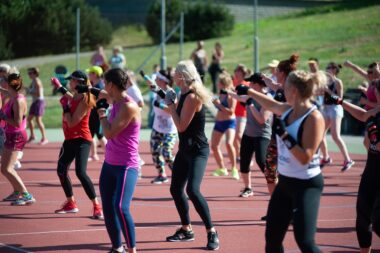
Implementing a mix of dance styles can significantly contribute to overall flexibility. Each dance genre offers unique movements that emphasize various ranges of motion. For example, ballet focuses on graceful extensions and pliés, while hip-hop emphasizes quick, sharp motions. Integrating these diverse styles into a workout routine exposes your body to different types of stretching and movement patterns. You can also add floor work common in styles like contemporary or jazz, where you often stretch while transitioning between movements. Furthermore, don’t underestimate the power of core strength in achieving flexibility. A strong core stabilizes your body, allowing more freedom in your limbs. Dance fitness routines that engage your core will further enhance your ability to perform complex moves, which can lead to improved flexibility. Remember to balance strength and flexibility in your training to promote optimal results. Dance fitness can also be social and community-driven. Participating in group classes motivates individuals to commit to regular practice. The support of fellow dancers fosters a spirit of perseverance, making the journey towards improved flexibility an enjoyable one. Ultimately, through dedication and consistency, anyone can enhance their flexibility through dance fitness.
Incorporating flexibility-specific exercises into your routine is vital for advancement. Dance fitness routines often include various stretches tailored for flexibility. Incorporate static and dynamic stretches, dedicating time to areas typically tight, like hips and back. For instance, consider using a simple hamstring stretch or hip flexor stretch as part of your cool-down routine. Engaging in partner stretches can also be beneficial. Not only does this promote bonding, but it provides a new way to challenge your body’s limits. Additionally, utilize props like resistance bands during routine exercises to facilitate deeper stretching. The element of resistance can effectively lengthen and strengthen muscle fibers. Moreover, identifying your personal flexibility goals is essential. Set achievable, specific, and measurable targets to track your progress. Utilize benchmarks such as reaching a certain distance in a stretch or holding a position longer than before. Make sure to celebrate small victories along the way to stay motivated. Flexibility is a gradual process that varies for every individual, so maintaining a positive mindset while working towards goals improves your overall experience in dance fitness. You’ll discover newfound ranges of motion improving not just your dance performance but overall physical well-being.
The Role of Rhythm and Music
Rhythm plays a fundamental role in dance fitness. Responding to the beat enhances your motivation and encourages smoother movements throughout your practice. Engaging with music can make the experience more enjoyable. Choose playlists that inspire you to move freely and creatively. Music provides an emotional connection that fuels your desire to push boundaries, including those related to flexibility. Dance fitness routines benefit from dynamic tracks that contain varied tempos and rhythms. Adjust your movements to align with musical changes, engaging both mind and body. This connection to music ensures a more immersive experience. Explore different genres to find what resonates with you, from upbeat pop to calming classical tunes that allow for deep stretching. Furthermore, avoid the misconception that flexibility and strength are opposites; rather, they are complementary. Strengthening muscles while enhancing flexibility encourages better control over movements. By incorporating movements like lunges or squats in a dance fitness setting, you position yourself to stretch thoroughly while gathering strength. Ultimately, the fusion of rhythm, music, and dedicated practice accelerates your journey towards improved flexibility.
To monitor your flexibility improvements, consider recording your progress. Keeping track of your performance over time allows you to see gradual changes in flexibility. You can do this by utilizing a fitness journal or mobile applications designed for dancers. Take note of personal milestones, such as comfortably achieving deeper stretches or executing advanced dance moves. Reflecting on your journey helps you stay committed while also identifying areas that require more focus. Remember to regularly assess your routine. Introduce variations to maintain engagement and avoid plateaus in progress. Participating in workshops or online webinars can expose you to new techniques and broaden your understanding of flexibility-enhancing strategies. With evolving knowledge, you will implement newfound skills into your workout. Also, attend different classes featuring various instructors; fresh perspectives introduce you to different teaching styles—enhancing your learning experience. Additionally, consider the role of nutrition in recovery and injury prevention. Eating a balanced diet rich in nutrients supports muscle recovery necessary for flexibility improvement. Hydration is crucial as well, keeping muscles pliable while enabling recovery. Pairing a nutritious diet with your dance fitness practice ensures you’re physically prepared to tackle flexibility challenges head-on.
Finally, never underestimate the importance of rest and recovery in your flexibility journey. Listening to your body ensures you don’t push past its limits. Overworking can lead to injuries, hampering progress in flexibility gains. Schedule regular rest days to allow muscles to repair and build resilience. Recovery practices like foam rolling or stretching can further enhance flexibility. Incorporating yoga sessions outside of dance fitness routines can be particularly advantageous. Combining therapeutic poses with your regular dance practice encourages greater flexibility while promoting overall wellness. Reflect on your flexible journey; recognize where you began and the strides you’ve taken. Celebrate successes, no matter how small they may seem. Flexibility is a lifelong process that can ebb and flow, yet it gets better through dedication. The beauty of dance fitness lies in its ability to adapt; embrace the flexibility journey as a meaningful component of your overall health and happiness. By cultivating a practice based on commitment, creativity, and enjoyment, you’re likely to discover a newfound appreciation for both dance and flexibility in your life.
In conclusion, dance fitness creates a unique platform to embrace flexibility improvement. By harmonizing rhythm, strength, and creative expression, individuals embark on a fulfilling adventure towards achieving their flexibility goals. The key is a consistent practice that nurtures your body while protecting it from injuries. Engage with diverse dance genres, challenge yourself through targeted stretches, and remain open to learning. Stay curious about your flexibility journey and commit to evolving over time with each practice session. With dedication and enthusiasm, you will uncover benefits beyond flexibility itself; there’s strength, mobility, and enhanced coordination that follow as you thrive in dance fitness. Learn to appreciate the small victories and remember you’re not alone on this path. Connect with fellow dancers seeking similar objectives, sharing experiences and insights that inspire and motivate you to progress. Nurture a positive mindset around the flexibility journey; each step forward represents growth. Avoid impatience, as flexibility is not usually instant but a gradual unfolding of capability. Ultimately, through a blend of consistent practice, support, and self-care, you’ll experience remarkable improvements in your flexibility through dance fitness; discovering new joys every step of the way.