
DIY Smoothies for Kids’ Post-Workout Recovery
After exercise, it is crucial for kids and teens to refuel their bodies with the right nutrients. This article covers some fantastic DIY smoothie recipes that are both delicious and nutritious for post-workout recovery. Smoothies are a great way to combine proteins, carbohydrates, fats, vitamins, and minerals in a fun and engaging beverage format. Children generally enjoy smoothies since they can be colorful and customizable, leading to higher acceptance. What’s more, the ingredients can be assembled quickly, making them perfect for busy post-practice routines. By incorporating fruits, vegetables, yogurt, and supplements, smoothies can meet the diverse nutritional needs for recovery. Many parents may wonder how to strike the balance between taste and nutrition, and the recipes included here aim to accomplish just that. Each of these smoothies can help replenish energy stores, repair muscle tissue, and promote hydration effectively. So let’s dive into the types of ingredients that provide the best nutritional recovery support and how to make these smoothies appeal to kids and teens.
Essential Ingredients for Nutrient-Rich Smoothies
When creating smoothies for recovery, it’s vital to consider primary ingredients that aid in replenishing essential nutrients. Here are some key components to include:
- Fruits: Bananas, berries, and apples provide natural sugars and vitamins.
- Vegetables: Spinach or kale add fiber without altering the taste much.
- Protein: Greek yogurt or protein powder helps repair muscle tissues.
- Healthy Fats: Avocado or nut butter contributes to satiety and nutrient absorption.
- Liquid Base: Almond milk, coconut water, or regular milk boosts hydration.
Each of these elements plays a role in making a well-balanced smoothie. Blending fruits with protein-rich ingredients can provide a delicious sweet taste while maintaining nutritional benefits. Kids love smoothies that are flavorful yet healthy. By allowing them to choose their favorite fruits and other ingredients, they can become more invested in their post-exercise nutrition. This encourages them to develop a positive relationship with healthy eating habits, setting the stage for lifelong wellness.
Additionally, making smoothies together as a family can enhance bonding while educating kids about nutrition. Parents can teach their children the importance of post-workout recovery while exploring different flavor combinations. Creating a smoothie station at home may also foster creativity. Consider introducing themed smoothies based on colors or flavors. For example, a tropical theme can include pineapple, coconut milk, and mango. On the other hand, a berry-blast edition can incorporate a mix of strawberries, blueberries, and raspberries. The variety will keep kids eager for their next post-workout drink. Be adventurous in mixing flavors as well, such as pairing chocolate protein powder with bananas for a treat that resembles dessert. Involving kids in the process empowers them, and they gain hands-on experience in nutrition. Children’s mindfulness regarding their food choices can shape their understanding of health and well-being as they transition into adolescence. These habits can have lasting effects on their lifestyle choices in the long run. Smoothies can become a delightful routine as the kids engage with healthful practices.
Recipes for Energizing Smoothies
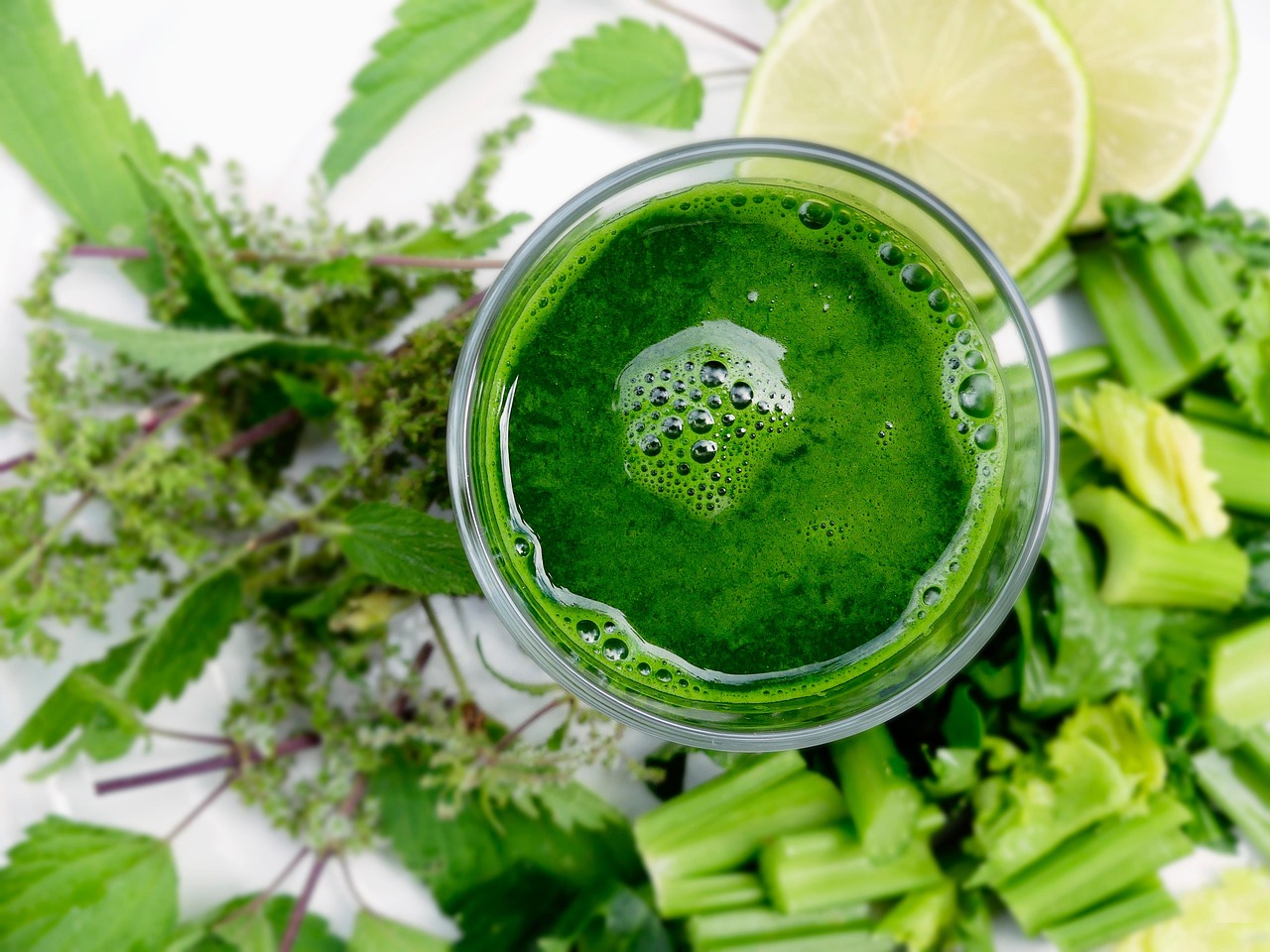
Here are three simple and nutritious smoothie recipes ideal for children’s post-workout recovery. The first recipe focuses on a Strawberry Banana Boost: Combine 1 cup of strawberries, 1 banana, 1 cup of Greek yogurt, and 1 cup of almond milk. Blend until smooth for a delicious treat packed with protein and vitamins. The second recipe is a Green Power Smoothie: Blend together 1 cup of spinach, 1 green apple, 1 tablespoon of almond butter, and 1 cup of coconut water for hydration and energy. Finally, try the Chocolate Peanut Butter Delight: Mix 1 banana, 1 tablespoon of cocoa powder, 2 tablespoons of peanut butter, and 1 cup of milk or almond milk. These smoothies are tasty and offer benefits that help children recover effectively after workouts. Use frozen fruits to enhance the thickness and creaminess of your smoothies. Encouraging kids to explore and create their smoothies helps them appreciate each ingredient’s value and also increases their nutritional intake.
Moreover, discussing the benefits of each ingredient while blending can develop kids’ awareness and knowledge about nutrition even further. For example, mentioning that bananas are an excellent source of potassium can spark curiosity about the nutritional components in their food. Incorporating fun facts about vitamins, proteins, and fats can transform the experience into a learning opportunity. Setting up a poster showing the health benefits of various fruits and vegetables in the kitchen may also be helpful. On a sensory level, kids engaged in choosing colorful fruits and vegetables may find nutritional learning more appealing. Blender time can become a time of discovery where they eagerly count calories and grams of protein in the ingredients. This hands-on involvement will not only promote healthy consumption patterns but has the potential to create lifelong healthy habits that stick during their teenage years and beyond. Children become more accountable for their nutritional choices and their impact on physical performance. Smoothie-making can be a catalyst for a broader healthy eating agenda for kids and teens.
Storing and Prepping Smoothies Efficiently
For families with busy schedules, preparing smoothies in advance can save time. Consider prepping smoothie packs, which can be assembled in freezer bags. Each pack can consist of sliced fruits, vegetables, and other dry ingredients like oats or nuts. When it’s smoothie time, simply dump the frozen combo into the blender after adding your liquid base. This practice ensures that kids can enjoy healthy post-workout nutrition without the hassle. Moreover, smoothies can be stored in airtight containers in the refrigerator for up to 24 hours. This storage option allows leftovers to be enjoyed as snacks. To improve flavor and texture, always stir or shake the smoothie well before serving after storage. Make sure to emphasize the importance of consuming these smoothies within the stipulated time for optimum freshness. Involving children in preparing these packs serves to maintain their engagement in the process. They may even enjoy labeling them with their favorite quotes or colors, adding a personal touch. Additionally, archived recipes can help kids realize the versatility of smoothies and appreciate a broader nutritional palette. Planning ahead removes the need for reliance on processed options.
Furthermore, kids will learn the value of time management skills when they set aside time weekly for preparation. They can choose the fruits they prefer to save, which fosters independent and healthy decision-making. There’s also the opportunity to introduce concepts like seasonal fruits and sustainable eating by involving them in selecting locally grown produce. Having more knowledge and practice in smoothie preparation means they can take responsibility for their health and well-being choices. By nurturing this habit, you are setting strong foundations for their understanding of nutrition. Kids will likely take a more active role in their food choices as they develop various culinary skills. Offer them chances to present their creations to family or friends, which can build communication skills. This nurtures social involvement around healthy eating, encouraging them to share their knowledge about nutrition with peers. Lessons learned in the kitchen will resonate as they make future choices about nutrition and physical health. Beyond smoothies, the excitement around food can become a broader conversation about healthy living.
Encouraging Healthy Habits Beyond Smoothies
Lastly, while smoothies are a delicious way to support post-workout nutrition, it’s important to recognize that they shouldn’t be the sole source of nutrition. Establishing an overall healthy eating pattern is essential. Complement smoothies with balanced meals throughout the day that include whole grains, protein-rich foods, and plenty of fruits and vegetables. Encourage children to hydrate adequately throughout the day, especially after exercising. Aim to teach children about listening to their body’s hunger cues and knowing when to refuel. Educational opportunities in grocery shopping can provide valuable lessons about food labels, portion sizes, and healthy options. Engaging conversations during meal times about nutrition can help reinforce healthy beliefs and choices in everyday life. Consider integrating family discussions about healthy habits and the importance of joyful eating. Let kids know that indulging from time to time is perfectly okay, reinforcing a holistic view of nutrition. Encourage them to try new foods and tastes. By creating an environment that supports healthy exploration, kids are more likely to develop their discerning tastes for nourishment and well-being throughout their lives.