
Beginner’s Guide to Pilates for Stress Reduction
Pilates, a mindful movement practice developed by Joseph Pilates, focuses on alignment, strength, and breathing. It promotes overall wellness, and many beginners find it especially helpful for managing stress. Engaging in Pilates can create a strong foundation for relaxation and mindfulness. This holistic approach encourages participants to connect their mind and body, ultimately leading to reduced stress levels. By fostering awareness through movement, Pilates can improve emotional well-being. Regular practice can result in improved posture and flexibility, further enhancing relaxation. Stress often manifests physically, and Pilates can alleviate this tension by allowing participants to focus on controlled movements and breathing. To get started, consider joining a beginner class where experienced instructors can guide you through the basics. You’ll learn fundamental principles, including how to engage your core and align your body correctly. As you become immersed in the practice, you’ll also discover different sequences that promote relaxation. Additionally, incorporating guided breathing techniques throughout your sessions may enhance this calming effect. Remember to listen to your body and take things at your own pace to maximize your experience.
Understanding the Principles of Pilates
Pilates is built on several key principles that collectively contribute to stress reduction. These principles focus on concentration, control, centering, flow, precision, and breathing. Understanding these aspects is essential, especially for beginners. Concentration refers to the ability to focus entirely on the movement at hand, which encourages a meditative state. Control emphasizes the importance of executing movements with intentionality and precision, preventing injury and ensuring effectiveness. Centering directs attention to the core, which serves as the powerhouse for all movements. Proper alignment and stability arise from engaging the abdominal muscles. Flow incorporates smooth, continuous movements, allowing a graceful transition from one exercise to another. Precision is crucial for gaining strength effectively and avoiding any compensatory movements. Finally, breathing helps coordinate each movement, enhancing relaxation. Breathing properly during Pilates aids in oxygenating the body, which can assist in calming the mind. Each of these principles works harmoniously to create a practice that effectively reduces stress. With regular practice, you’ll develop a deeper understanding of how these principles interact and contribute to your overall well-being.
Incorporating Pilates into Your Routine
To reap the full benefits of Pilates for stress reduction, it is crucial to incorporate it into your regular routine. Establishing a consistent practice schedule significantly enhances the positive effects you will feel. Beginners should aim to practice Pilates at least two to three times per week for optimal results. As you grow comfortable with the movements, consider mixing in mat work and reformer sessions. These sessions provide unique challenges and promote diverse muscle engagement. Combining classes with home practices can also be beneficial. You might explore online resources or invest in DVDs that guide you through different Pilates sequences at home. Moreover, joining a supportive community of Pilates practitioners can be advantageous. Many studios offer classes tailored to beginner needs, ensuring you learn the fundamentals effectively. Additionally, participating in group classes builds camaraderie, making the experience more enjoyable. Remember to set realistic goals for yourself and celebrate small victories along the way. This mindset helps maintain motivation and reinforces practice consistency, ultimately making it easier to manage stress through Pilates.
Benefits of Pilates for Stress Management
Pilates provides numerous benefits that can effectively aid in stress management. First, it promotes relaxation by encouraging mindfulness through movement. This focus helps participants detach from daily stressors during practice. As you concentrate on performing movements correctly, your attention shifts away from worries and anxiety. Additionally, Pilates improves body awareness, enabling individuals to identify physical tension and release it. By learning to connect your breath with your movements, you can more effectively manage stress. Breathing techniques practiced in Pilates can reduce feelings of anxiety, further calming the mind. Physical benefits include enhanced flexibility, toning, and increased strength. These adaptations contribute to an overall sense of wellness and body confidence, positively influencing mental health. Another benefit is improved posture, which can reduce discomfort associated with stress. A well-aligned body allows for smoother, more efficient movement patterns. Improved posture can lead to reduced physical strain and mental stress. Overall, Pilates encourages a balanced lifestyle by promoting physical fitness while addressing mental health concerns. Regular practice ultimately fosters a sense of calmness that penetrates all aspects of daily life.
Essential Equipment for Pilates
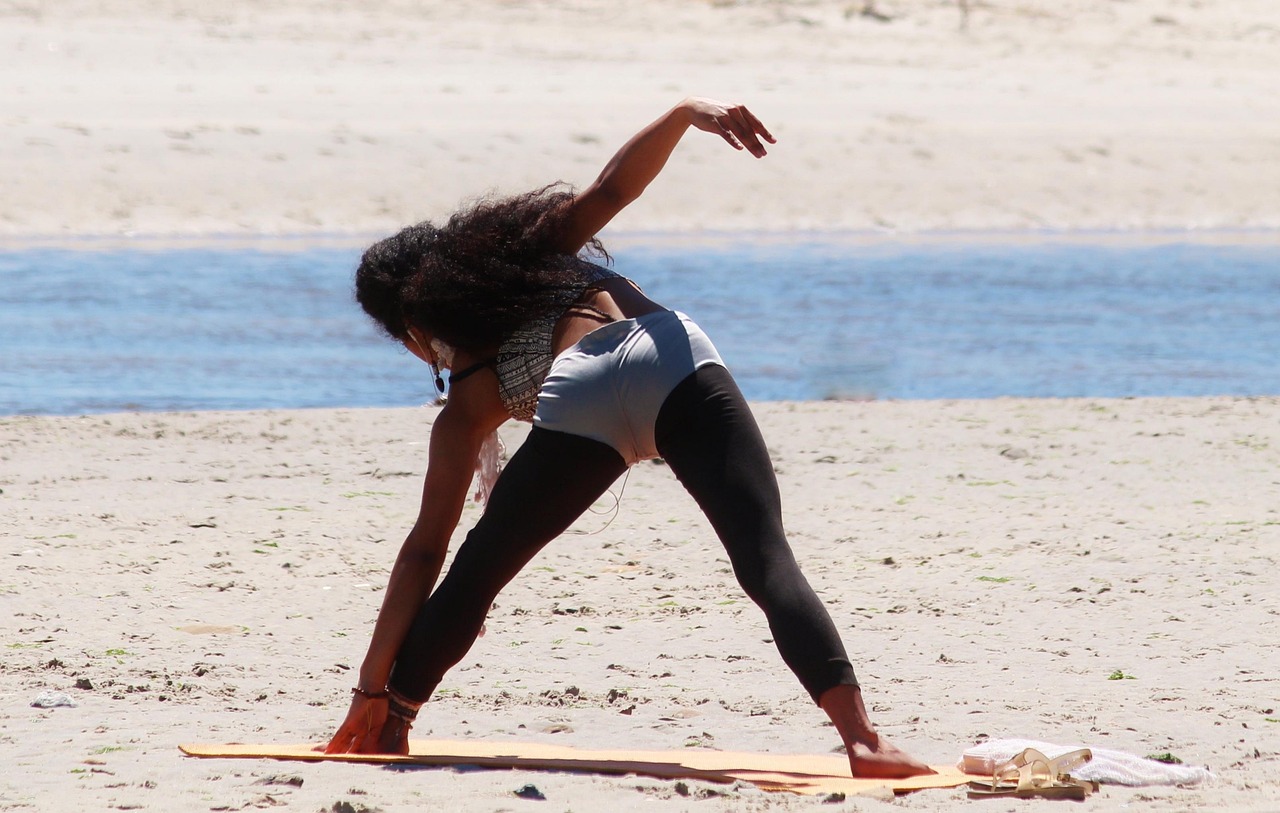
When starting your Pilates journey, specific equipment can enhance your experience and help reduce stress further. The most fundamental equipment is a quality exercise mat. A good mat provides cushioning and stability for your movements, ensuring comfort during practice. There are also various accessories that can enhance your Pilates practice. For example, the Pilates ring, also known as the magic circle, helps engage specific muscle groups, providing resistance and allowing for deeper muscle engagement. Additionally, small weights can be incorporated into workouts to challenge your body further. Resistance bands are another versatile tool that adds variety and intensity to your Pilates routine. When using equipment, remember to maintain focus on your alignment and control. You may wish to invest in a reformer if you continue practicing Pilates regularly. This apparatus provides resistance through springs, allowing for diverse exercises and more challenging workouts. Ultimately, selecting the right equipment will enhance your ability to perform exercises effectively, contributing to your stress-reduction goals. Be sure to choose items that suit your fitness level and preferences.
Listening to Your Body
As you begin practicing Pilates for stress reduction, it is essential to listen to your body throughout each session. Everyone’s body is unique and reacts differently to various exercises. If an exercise feels uncomfortable or painful, it’s important to modify it or take a rest. Awareness of your physical limits is crucial to avoiding injury and fostering longevity in your practice. Slow down if you find certain movements to be overwhelming, allowing yourself to adjust and regroup. This principle also applies to recognizing when you feel stressed outside of the studio. Being mindful of your emotional state can help prevent burnout. Integrating relaxation techniques, such as deep breathing or visualization, can enhance your Pilates practice and stress-management strategies. Take a moment to reflect on how your body and mind feel after each sessio, and adjust your practice accordingly. Finding balance between challenge and ease will deepen the benefits you experience. Building confidence in your movements is essential for long-term success with Pilates. By honoring your body’s signals, you will gradually increase strength and resilience, both physically and mentally.
Conclusion: Embracing Pilates for Stress Relief
In conclusion, embracing Pilates as a means for stress relief can profoundly enhance your overall well-being. In a world where stress is prevalent, finding effective coping strategies is essential for mental and physical health. Pilates fosters connection between mind and body through movement, allowing individuals to release pent-up tension and anxiety. The principles of Pilates create a framework for practitioners to cultivate various skills, such as concentration, control, and awareness. By integrating these principles into your daily routine, you can foster a sense of calm amid life’s challenges. Moreover, focusing on breathing during practice amplifies the calming effects and helps manage stress more effectively. The benefits of increased strength, flexibility, and improved posture play critical roles in mitigating the physical impacts of stress. Engaging with Pilates can lead to improved body confidence and an enhanced emotional state. As you continue to develop your practice, remember to listen to your body and remain patient with your progress. Ultimately, Pilates can become a crucial tool in your arsenal for stress management, promoting lifelong health and wellness.
Exploring Pilates Resources for Beginners
There are abundant resources available for beginners looking to explore Pilates for stress reduction. Online platforms can provide valuable content, such as tutorials, videos, and streaming classes. Many certified instructors offer virtual classes, allowing flexibility in scheduling and practice spaces. Searching for beginner-friendly programs ensures that you’ll learn essential techniques in a supportive environment. Books and guides on Pilates can also deepen your understanding of the practice. These resources often include detailed descriptions of exercises demonstrating proper form and breathing techniques. Additionally, consider joining local community classes or workshops dedicated to Pilates. Many fitness centers and studios host classes specifically designed for novices, ensuring a safe and welcoming atmosphere. Engaging with others in the Pilates community can enhance motivation and provide opportunities for social interaction. Participating in group sessions fosters accountability and camaraderie, which can be beneficial for stress relief. Lastly, don’t hesitate to ask questions to instructors or fellow practitioners. It’s crucial to clarify doubts and obtain guidance to maximize your practice. With these resources, you can embark on a fulfilling journey toward stress reduction through Pilates.