
The Ultimate Guide to Swimming Glossary: Essential Terms Explained
Swimming is a sport that requires understanding a variety of terms. It can be challenging to keep up with various jargon used within the swimming community. To help you navigate through this world, we compiled a glossary of essential swimming terms. Knowing these terms will enhance your enjoyment and comprehension of swimming as a sport or hobby. Here are key terms such as “stroke”, which refers to the specific movements made by swimmers. Additionally, terms like “freestyle”, signify a style of swimming where swimmers can choose their method. Understanding “lap” is crucial, as it signifies one length of the pool, whether it be a 25-meter or 50-meter pool. Equally important is the “turn”, which is the maneuver a swimmer makes at the wall. Other essential terms include “buoyancy”, referring to the upward force that keeps swimmers afloat, and “drill”, which is a specific exercise aimed to improve technique. Continue exploring to better understand how these terms can influence what to expect during practice or competition.
Basic Swimming Techniques
When discussing swimming, it’s critical to master basic swimming techniques as they form the foundation of effective swimming. Techniques like the “front crawl” are among the most commonly used in competitions. The front crawl is known for its speed and efficiency, utilizing an alternating arm stroke while the feet perform a flutter kick. Another foundational technique is the “breaststroke”, characterized by a frog-like kick and simultaneous arm movements. The “backstroke” is distinctive, relying on swimming on one’s back while using a flutter kick with alternating arm strokes. Furthermore, there is the “butterfly”, which is recognized for its difficult coordination involving both arms moving simultaneously, complemented by a dolphin kick. Each of these techniques holds specific rules in competitive swimming. Proper technique not only maximizes speed but also minimizes energy consumption, making races more strategically viable. Swimmers often refine these techniques through various drills that target specific areas needing improvement. Mastery of these rules ensures competitive advantage and assists in establishing one’s style within the sport.
Another essential aspect of swimming terminology is understanding the various swimming strokes. Each stroke has its own unique set of rules and techniques. The “freestyle” stroke is often associated with the front crawl due to its speed and popularity. The “butterfly” stroke is challenging and requires synchronized arm and leg movements. The “backstroke”, as the name implies, involves swimming on one’s back, making it distinctive yet effective. The “breaststroke”, on the other hand, involves a frog-like kick and simultaneous arm movements. Furthermore, swimmers use the term “relay” to describe a competitive event where teams take turns swimming. Understanding these strokes is vital for anyone looking to compete in swimming at any level. Additionally, some athletes participate in individual medley events, which require proficiency in all four strokes during a race. Recognizing these terms sets a solid foundation for engaging with swim meets or training sessions, placing individuals in a better position to speak with coaches and teammates alike. Staying informed about swimming strokes will significantly enhance your overall experience in the water.
The Importance of Swimming Equipment
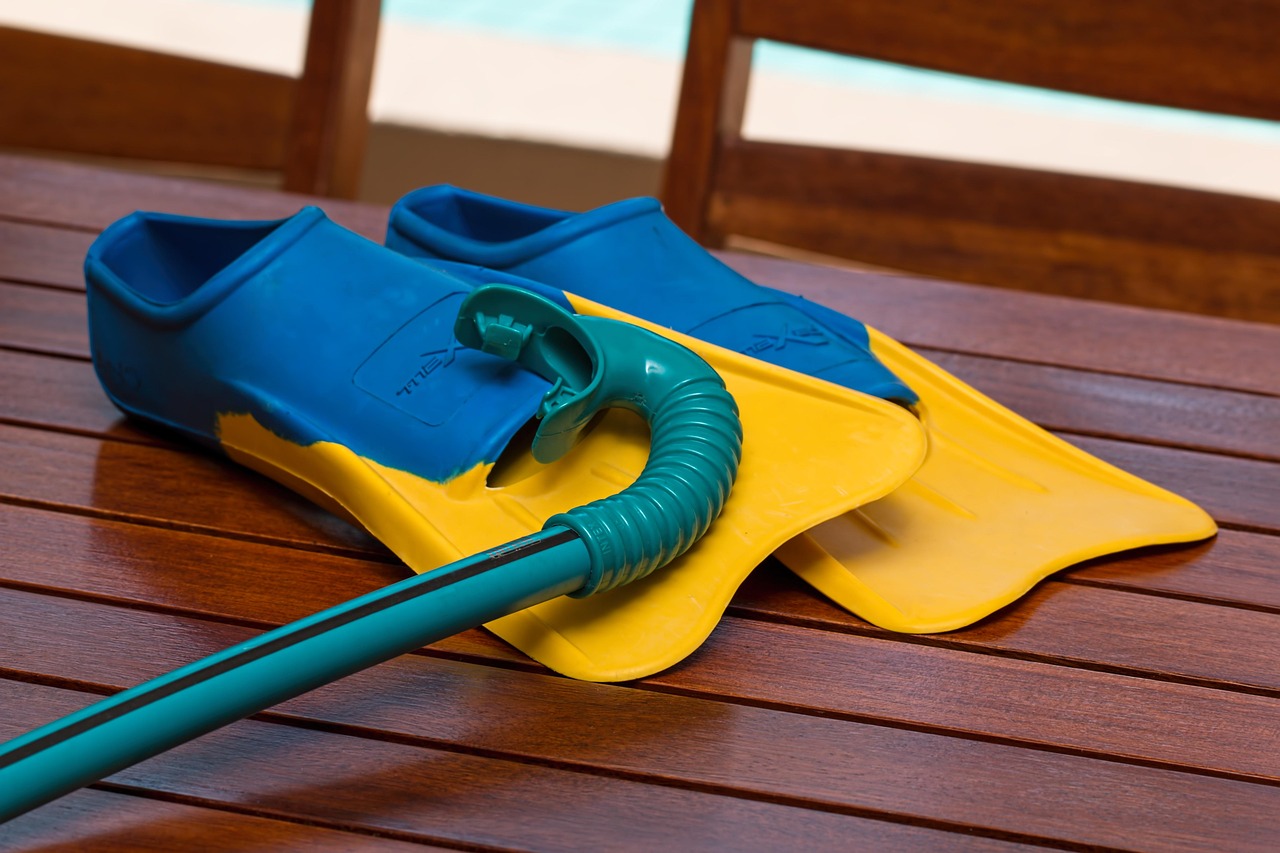
Equally vital to your understanding of swimming is the role of equipment in the sport. Essential gear such as swim caps, goggles, and swimsuits greatly impact both comfort and performance in the water. A good-quality swim cap eliminates drag, keeps hair out of the eyes, and may even improve a swimmer’s aerodynamics. Furthermore, goggles are invaluable for ensuring clear vision while swimming, protecting your eyes from chlorine and other pool chemicals. Swimwear also varies depending on competition or training needs; competitive swimsuits are generally tighter to reduce drag and improve speed. Another important item is the kickboard, widely used in training to isolate leg movements and improve kicking technique. Fins are often utilized to enhance kick efficiency and increase leg strength. As swimmers progress, they might use paddles and pull buoys to focus specifically on upper body strength and stroke technique development. All these tools and equipment enable swimmers to refine their tactics and overall performance, significantly contributing to their success at any level of competition.
Understanding common swimming terminologies allows for clearer communication among swimmers, coaches, and enthusiasts. Terms such as “buoyancy” describe the ability of the body to float, while “drag” refers to the resistance felt in the water. Additionally, knowing what a “lap time” signifies helps swimmers track their performance and improvement over time. Also, the concept of “intervals” refers to the specific swimming sets with designated recovery periods. Coaches may refer to terms like “threshold pace”, indicating the speed a swimmer can maintain over a distance before fatigue occurs. This terminology becomes crucial during training sessions, where knowing how fast or slow to swim can ultimately impact one’s endurance. Competitions often involve concepts like “seeding”, which categorizes swimmers based on their times for heat placements. Another notable term is “qualifying time”, the minimum performance standard required to enter a swim meet. Familiarizing yourself with these terms not only boosts swimming skills but also fosters a sense of belonging to the swimming community, enhancing your experience.
Swimming Competitions Explained
The competitive side of swimming includes various events and formats, each with distinctive rules and structures. The most recognized event is the Olympic Games, where swimmers compete in ”freestyle”, ”butterfly”, ”backstroke”, and ”breaststroke” events. Each of these events can be swum individually or as part of a relay team. Swimming competitions have specific distance categories, ranging from sprints of 50 meters to endurance races exceeding 1500 meters. Spectators often enjoy watching the intensity of finals, where athletes push their limits. Schools and clubs also host swim meets, allowing budding swimmers to gain experience in competitions. Additionally, swimmers must familiarize themselves with the concept of “disqualifications”, which occurs when rules are violated during events. This could be a false start or improper stroke techniques. Moreover, officiating consists of a panel of judges who ensure fair play and adherence to racing standards. Each competition offers swimmers an opportunity to gauge their abilities against others, encouraging a healthy competitive spirit and continuous improvement through their participation.
Finally, swimming encompasses a vast array of terms related to safety and injury prevention. Swimmers should understand the importance of “warm-ups” and “cool-downs”, which prepare the body for swimming and aid recovery. Injuries can occur and may include strains and sprains, particularly when proper techniques aren’t utilized. Terms like “snorkel” indicate a device that can assist in breathing while swimming without lifting the head, allowing a swimmer to concentrate on stroke work. Understanding “water safety” becomes paramount, especially for novice swimmers learning to paddle. Additionally, knowing basic lifesaving techniques, such as CPR, proves essential for emergency situations. A lifeguard’s role is critical at any swimming venue, ensuring participants’ safety. Finally, regular health check-ups are encouraged for swimmers to prevent potential health issues related to strenuous activities. This knowledge equips individuals with the skills needed to make swimming not only enjoyable but also safe and responsible. By integrating these terms, swimmers will build a comprehensive vocabulary that aids both performance and safety in the exciting world of swimming.
In conclusion, having a solid grasp of swimming terminology and concepts elevates both understanding and enjoyment of the sport. From basic strokes to more complex technical terms, familiarity with this vocabulary empowers swimmers to communicate effectively. Moreover, insights into essential swimming equipment, techniques, and competitions further enrich the experience. Encouraging novice swimmers to learn this glossary will help integrate them into the swimming community, paving the way for mentorship opportunities and shared experiences in the sport. Understanding the significance behind each term reinforces the importance of technique and safety, ultimately leading to a more profound respect for swimming as a competitive sport and leisure activity. Whether a beginner or an experienced swimmer, knowledge allows for confident participation in training and competitions alike. Get familiar with these terms to optimize your swimming journey, participate in events with confidence, and communicate effectively with coaches and teammates. Championing safety alongside proficiency ensures that swimming remains a healthy, enjoyable, and rewarding activity for all. Seize these definitions to foster a lifelong love of swimming.