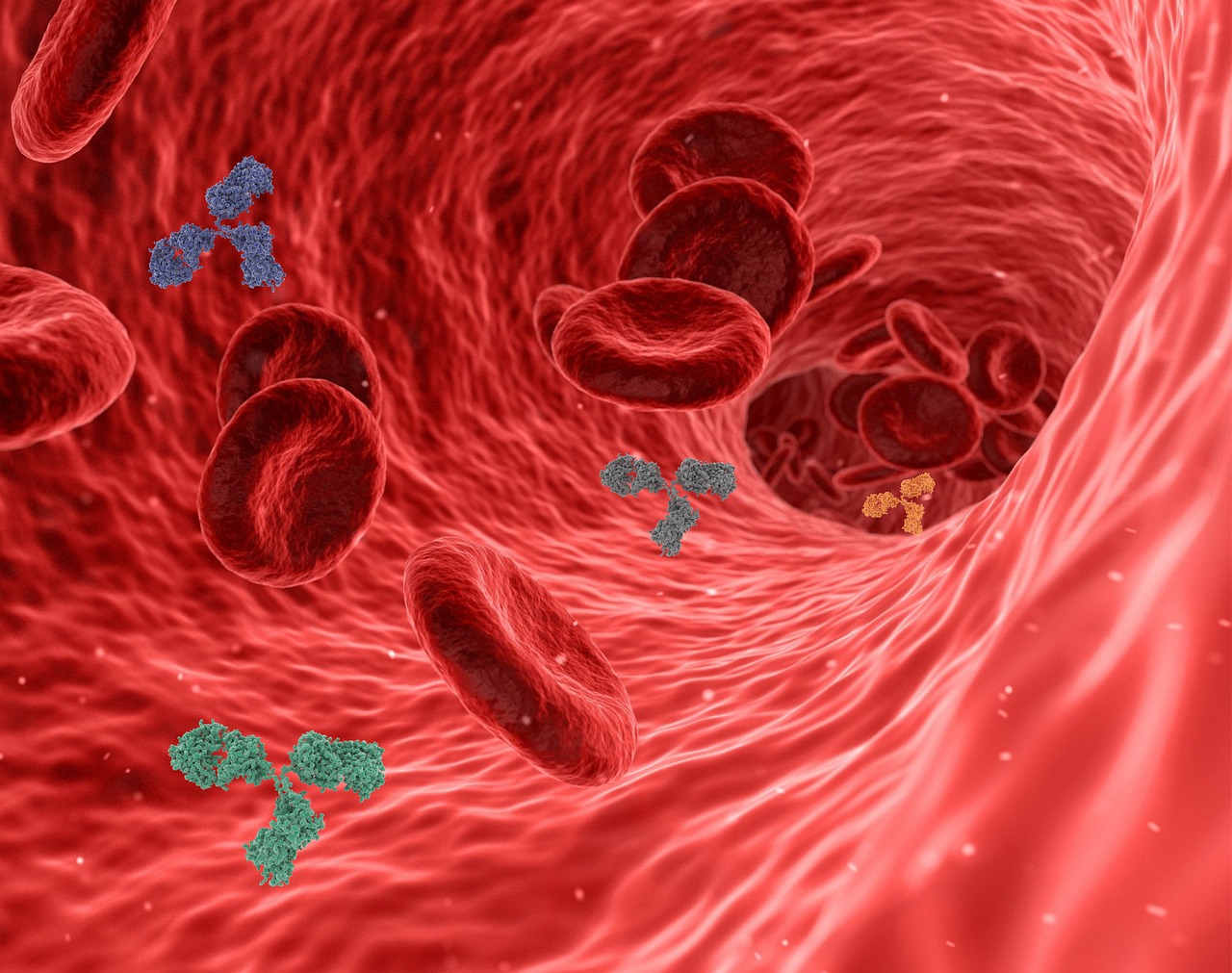

The Science Behind Exercise-Induced Immunity
Exercise profoundly impacts the immune system, promoting health benefits that enhance bodily functions. When we engage in physical activity, our bodies respond in multiple ways, including the modulations of immune cells. Moderate exercise positively influences the immune system, increasing circulating white blood cells. These cells play a crucial role in defending the body against pathogens. Improved circulation ensures that these defenders reach their destinations faster during active exercise and afterwards. Additionally, physical activity increases levels of immunoglobulins, which help to inhibit pathogens and bolster immunity. Regular workouts can decrease the risk of developing illnesses, aiding in quicker recoveries when sickness occurs. Some studies suggest links between consistent exercise, reduced inflammation, and a balanced immune response. Moreover, moderate exercise may reduce the impact of stress on the body, promoting better mental health and resilience. Maintaining a good exercise routine allows the immune system to thrive, effectively lowering susceptibility to common illnesses. Thus, a well-structured exercise plan can lead to significant improvements in both physical and mental well-being, ultimately supporting a healthier, more effective immune system in the long run.
The Biological Mechanisms
The biological mechanisms behind exercise-induced immunity are complex yet fascinating. When engaging in physical exertion, the body releases various hormones, including adrenaline and cortisol. These hormones aid in mobilizing energy, but they also influence the immune system significantly. A moderate increase in cortisol due to exercise can reduce inflammation over time, which is beneficial for immunity. Vigorous exercise temporarily increases inflammatory markers, but these effects decrease once the activity stops. The net benefit appears as a greater resilience from infections. Furthermore, the contraction of skeletal muscles during exercise has been found to release myokines, signaling molecules that can enhance immune responses. Myokines can promote the activation and trafficking of immune cells, ensuring they are more effective and ready to respond. Engaging regularly in physical activity has also been shown to enhance adaptive immune responses, leading to improved antibody production. Balance is crucial; while excessive exercise might lead to suppression of the immune function, engaging in regular and moderate activities creates a positive harmony in how our defenses operate. Understanding these mechanisms sheds light on why exercise is essential in maintaining overall health and resilience.
Exercise not only benefits the immune system but also has a notable influence on overall wellness. Individuals who incorporate exercise into their daily routine report enhanced mood, reduced stress levels, and improved cognitive function. Regular exercise has been tied to the release of endorphins, which are natural mood lifters. Moreover, studies indicate that individuals who maintain an active lifestyle experience a significant decline in anxiety and depressive symptoms. The physical benefits of improved fitness, muscle strength, and endurance correlate with better mental health outcomes. Engaging in social activities related to exercise, such as group classes, sports, or outdoor activities, enhances social connections. These connections often provide emotional support, contributing positively to mental well-being. In turn, improved mental health can bolster immune function, creating a cycle of health benefits. It’s critical to recognize this interconnectedness between physical activities, mental health, and immunity. Individuals aiming to improve their health should not overlook the importance of consistent, enjoyable physical activity. From daily walks to organized sports, the options are countless and accessible. By prioritizing exercise, one can cultivate a more balanced, fulfilling lifestyle that enhances both physical and mental health.
Exercise Type and Intensity
The type and intensity of exercise significantly influence immune responses. Low-intensity activities like walking or yoga shown remaining generally beneficial by enhancing immune functions without causing excess stress. Moderate exercises, such as jogging or cycling, are highly favorable for immunity because they stimulate the body positively. In contrast, high-intensity training, especially when practiced excessively, can lead to what is termed “exercise-induced immune suppression.” This phenomenon manifests as increased vulnerability to infections in athletes training intensively without sufficient recovery. Research suggests that short-term, intense workouts followed by adequate recovery periods provide the best immune benefits. Balanced routines featuring various exercises prevent overtraining and promote beneficial adaptations. Furthermore, mixing cardiovascular exercises with strength training offers diverse immune-boosting effects. The organizations of activities can help keep individuals engaged while maximizing these benefits. It’s crucial for fitness enthusiasts to listen to their bodies and incorporate rest days into their plans. Maintaining this balance encourages a sustainable approach that ultimately fortifies the immune response. Hence, each individual’s training needs and preferences matter to ensure the immune system remains strong and responsive to potential threats.
Nutritional support complements the benefits of exercise, playing a vital role in optimizing immune function. A diet rich in essential nutrients strengthens the immune system, providing necessary components for immune cell production and function. Eating a variety of fruits and vegetables supplies antioxidants and vitamins that support the body’s defenses by reducing oxidative stress. Nutrients such as vitamins A, C, D, and E have been identified as critical players in immune health. Additionally, minerals like zinc and selenium also contribute to maintaining a strong immune response. Proper hydration is equally important, as it aids in cellular functions and performance. Alongside adequate nutrition, timing is key; refueling after workouts with balanced meals can enhance recovery processes and immunological responses. Athletes often emphasize the importance of carbohydrate and protein intake post-exercise to promote glycogen replenishment and muscle repair. Adequate caloric intake supports energy needs and immune function, particularly during periods of high training volume. Creating a well-rounded dietary plan that combines macronutrients, micronutrients, and hydration is essential for athletes and exercise enthusiasts alike. By understanding the interplay between nutrition, exercise, and immunity, individuals can optimize their overall health.
Mindfulness and Recovery
In addition to exercise and nutrition, the importance of recovery practices and mindfulness cannot be overstated. The body undergoes repair and adaptation during rest periods, allowing the immune system to recover efficiently. Recovery can involve several strategies, including sleep, hydration, and mindfulness practices. Adequate sleep is crucial for optimal immune system functioning, as many restorative processes occur at this time. Quality sleep has been linked to improved immune responses and decreased susceptibility to illness. Incorporating mindfulness practices like meditation and deep breathing can further assist in reducing stress levels, which positively impacts immunity. High levels of chronic stress can lead to immune system dysregulation, emphasizing the need for relaxation techniques in fitness routines. Engaging in yoga, tai chi, or simple mindfulness exercises can promote mental clarity and additional health benefits. Furthermore, allowing appropriate recovery time after intense workouts helps restore physical and mental well-being. Finding a personalized approach that incorporates both active recovery and mindfulness may enhance the overall outcome in health and wellness. Thus, a holistic perspective combining physical, emotional, and mental practices ensures a more effective strategy for improving exercise-induced immunity.
In conclusion, the intersection of exercise and immune function illustrates the profound and complex relationship between physical activity and overall health. Studies consistently highlight the importance of maintaining a regular exercise routine to promote robust immune health. The boost to immune cell circulation and hormonal balance solidifies exercise as an essential lifestyle component. Furthermore, understanding that various factors such as exercise type, intensity, nutrition, mindfulness, and recovery practices contribute to immune functionality opens new avenues for health promotion. Individualized approaches ensuring a balance of activity, nutrition, and recovery provide optimal benefits. Engaging in enjoyable exercises tailored to personal preferences enhances adherence to long-term health practices. In summary, integrating consistent and varied forms of exercise, along with mindful dietary and recovery choices, can support the immune system’s resilience against diseases. Promoting a healthy lifestyle through fitness and wellness is not only practical but essential in today’s fast-paced environment. Those seeking to embrace a healthier life should recognize the critical role of exercise in sustaining both immunity and overall wellness. By making informed choices, individuals can ultimately enhance their quality of life and well-being.
The relationship between exercise and immunity presents compelling evidence for the holistic approach to wellness. Research shows that individuals who maintain regular physical activity enjoy not only improved immune responses but also better mental health, resilience, and overall quality of life. Engaging in different forms of exercise, adapting intensities, and incorporating nutrition and recovery practices forms a comprehensive puzzle that adds up to lasting health. Sticking to personalized programs that include these elements helps individuals stay engaged and motivated. Therefore, recognizing the significant impact of such interventions proves essential for anyone striving to enhance their health and immunity. It is entirely possible to capitalize on the immune-boosting benefits of exercise by embracing a thoughtful, well-rounded approach to fitness and wellness.