
The Best Foam Rollers for Muscle Recovery and Flexibility
Foam rollers have become essential tools for those engaged in gym workouts, aiding recovery and improving flexibility. These cylindrical tools are popular with athletes, beginners, and all fitness enthusiasts, allowing for targeted muscle relief. By using foam rollers, one can self-massage tight muscles, enhance blood flow, and alleviate soreness post-exercise. They help in breaking down knots, enabling better recovery after intense workouts. Notably, these rollers come in various densities, materials, and sizes, each designed to serve specific needs. Beginners might opt for softer rollers, while seasoned individuals may choose firmer models for deeper muscle penetration. Moreover, proper foam rolling techniques can greatly enhance effectiveness. It’s crucial to roll slowly over areas of tension and spend ample time on tight spots. Additionally, incorporating foam rolling into your warm-up or cool-down can provide immense benefits. From increasing flexibility to reducing muscle pain, the advantages are numerous. To enjoy these benefits, consider selecting the right foam roller to suit your workout routine and personal preferences. Ultimately, the right foam roller can significantly contribute to your overall fitness journey.
Choosing the Right Foam Roller
When selecting a foam roller, consider your fitness level, goals, and any specific body areas requiring attention. Froth foam rollers are ideal for beginners, offering a gentle technique to relieve tension. On the other hand, high-density rollers provide a more intense experience, suitable for experienced users. Additionally, textured foam rollers can enhance the massage experience by targeting specific muscles more effectively. Look for a foam roller with grooves, bumps, or varying surfaces for deeper tissue penetration. Size also matters; longer rollers can accommodate larger muscle groups, while shorter options are more portable and suitable for travel. If you seek to increase your flexibility, opt for a roller that suits stretching exercises well. Some advanced models even include vibrating features for those wanting an elevated experience. Consider your primary uses, whether for recovery, flexibility, or pre-workout warm-ups. Also, check products with a firm outer layer to ensure durability and longevity. Beyond muscle recovery, consistent use contributes to better overall workout performance. By being thoughtful in your selection, you can maximize the benefits of your foam rolling sessions and enhance your training outcomes.
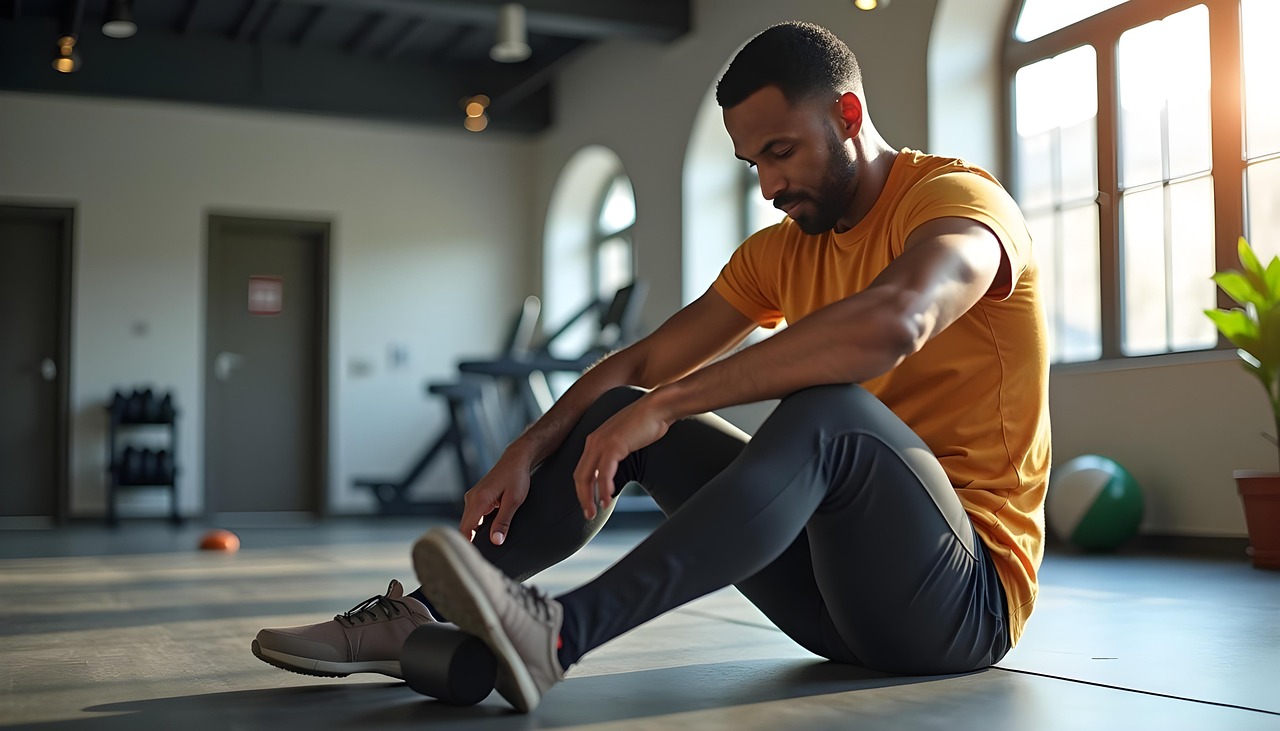
To effectively utilize foam rollers, it’s essential to adopt the proper technique. Start by identifying tight or sore areas in your body, often, these are the target zones needing attention. Position the foam roller under the affected area and gently apply your body weight. Gradually roll over the area for fifteen to thirty seconds, breathing deeply and staying relaxed. If you encounter particularly tight spots, pause and apply additional pressure for improved release. A 30-minute routine focusing on various muscle groups can be highly beneficial, promoting blood circulation and preventing future injuries. Always avoid rolling over bony areas or joints and focus on larger muscle groups like the quadriceps, hamstrings, calves, and back. Incorporating mobility drills or yoga postures following foam rolling can further enhance flexibility and overall mobility. Consistency is key; aim to foam roll at least a few times per week for best results. Many fitness enthusiasts find they recover faster and more effectively when foam rolling is integrated into their training regimens. This practice not only improves flexibility but also contributes to maintaining muscle health over time, ensuring a more fulfilling workout experience.
Benefits of Regular Foam Rolling
Regular foam rolling offers numerous benefits that significantly enhance muscle recovery and flexibility. One of the top advantages includes reducing muscle soreness and stiffness after intense workouts. This technique improves blood circulation, delivering essential nutrients to muscles critical for recovery. Moreover, foam rolling helps break down adhesions or scar tissue formed in muscles, promoting better movement patterns. Enhanced flexibility is another notable benefit, allowing gym-goers to perform exercises with greater range of motion. Improved mobility can lead to better overall performance in various physical activities, from weightlifting to cardio workouts, ensuring more efficient movement. Additionally, foam rolling can dramatically decrease the risk of injuries resulting from tight or overworked muscles. It serves as an excellent warm-up tool, preparing your body for workouts and reducing muscle tension before engaging in strenuous activities. Emotionally, foam rolling can provide relaxation, helping relieve stress and improving overall well-being. Plus, it can be a great supplementary recovery strategy when combined with other health practices, such as hydration and nutrition, further supporting muscle recovery. Consistent use leads to a more optimal training experience alongside enhanced body awareness throughout your fitness journey.
Foam rollers serve not only fitness enthusiasts but also rehabilitation professionals. Physical therapists often use these tools as part of injury recovery programs to aid muscle healing and mobility. They can guide patients through the process of using foam rollers effectively, ensuring safe movement patterns. Furthermore, foam rollers are commonly employed in Pilates and yoga classes, promoted for self-myofascial release. They assist participants in achieving better alignment and deeper stretches, which ultimately promotes mindfulness in practice. Athletes training across various sports, from runners to weightlifters, can incorporate foam rolling prior to and after workouts for optimal benefits. This versatility encourages individuals to become better acquainted with their body’s needs, adapting techniques to suit specific requirements effortlessly. Moreover, using foam rollers can foster a greater understanding of one’s physical condition over time. By regularly engaging with the muscles in this way, individuals can develop improved awareness regarding tightness, tension, or discomfort within the body. The long-term relationship with foam rolling can cultivate a proactive approach to muscle maintenance, enabling those who practice regularly to remain in peak condition and make appropriate adjustments to their training routines.
Popular Foam Roller Brands
There are several popular foam roller brands known for their quality, features, and overall performance in aiding muscle recovery. One well-regarded brand is TriggerPoint, offering various density options and unique texture designs to cater to different needs. Their GRID foam rollers have revolutionized self-myofascial techniques, providing enhanced effectiveness. Another popular name is ProForm, recognized for their affordably priced, durable rollers that serve both beginners and seasoned athletes alike. The OPTP brand also earns its place through high-quality and professional-grade rollers. Those seeking something more advanced might enjoy the offerings provided by RumbleRoller, providing innovative, textured rollers aimed at relieving muscle soreness. Additionally, the LuxFit brand stands out for their sturdy foam rollers, available in multiple sizes and densities to suit any workout style. Also, consider the AmazonBasics foam roller, serving as a budget-friendly choice without compromising quality. These brands proudly offer various options tailored to the unique needs of fitness enthusiasts. Researching and comparing these brands will help individuals make informed decisions that align with their fitness journeys and muscle recovery goals.
In summary, foam rollers represent invaluable equipment within the fitness landscape, fostering recovery and flexibility among gym enthusiasts. Integrating foam rolling practices into one’s routine is vital for achieving sustained workout benefits. By carefully choosing the right roller based on personal goals and preferences, users can directly influence their muscle recovery process. Furthermore, establishing a consistent foam rolling schedule ensures better overall performance, capable of adapting around one’s workout regimen. The myriad advantages of foam rolling include improved flexibility, reduced soreness, and enhanced blood flow. Additionally, foam rollers can also significantly decrease injury risks while providing an opportunity for emotional relaxation. Engaging with foam rolling techniques opens a pathway toward optimizing health and fitness journeys effectively. With numerous options available in high-quality brands, the market offers solutions for every user—from beginners to professionals. Embracing this practice can truly elevate one’s physical performance and foster a deeper connection with one’s body. Ultimately, foam rolling will complement overall health-focused strategies, maximizing the benefits derived from gym workouts and ensuring ongoing progress in personal fitness goals.