
Optimizing Protein Intake for Keto Exercisers
When following a ketogenic diet, especially for exercise enthusiasts, managing protein intake is crucial for achieving optimal results. Protein plays an integral role in muscle repair, recovery, and growth, which are vital for anyone engaged in both strength training and cardiovascular activities. While many keto diets emphasize low carbohydrate consumption, the need for adequate protein remains significant. It is essential to strike a balance between allowing your body to burn fat while still providing sufficient protein to support your workouts. The general recommendation is to consume about 0.6 to 1.0 grams of protein per pound of body weight, though individual needs may vary based on factors like age, sex, and overall physical activity. To meet these protein needs on a ketogenic diet, it’s beneficial to consume protein-rich foods such as poultry, fish, eggs, and dairy products. In addition, protein supplements can be considered for individuals who find it challenging to meet their protein macros through whole foods alone. Properly optimizing your protein intake can significantly enhance your performance and recovery during your ketogenic journey.
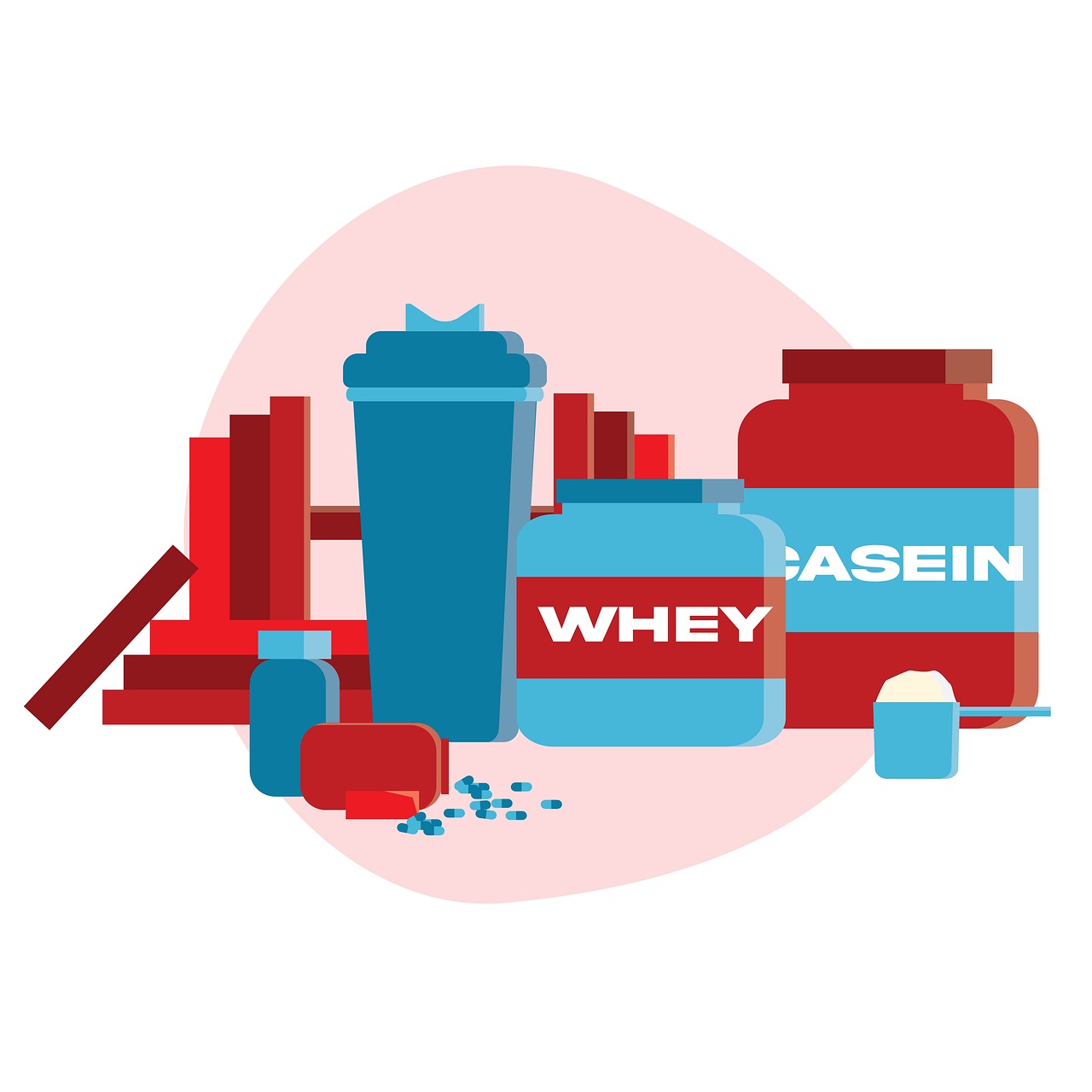
Incorporating quality protein sources is essential for those on a keto diet. High-quality proteins not only help in muscle maintenance but also support metabolism. Common protein sources for keto diets include meats, poultry, fish, eggs, and low-carb dairy products such as cheese and Greek yogurt. These foods supply the essential amino acids needed for muscle repair and recovery following exercise. Including a variety of protein sources can also provide necessary vitamins and minerals. Additionally, collagen supplements may offer benefits for joint health, especially important for vigorous exercise routines. For those looking to boost their protein intake while adhering to keto, consider experimenting with protein powders. These come in various types, including whey, casein, and plant-based options, allowing for personalized nutrition preferences. When selecting protein powders, it’s essential to focus on those with minimal carbs and no added sugars, aligning with the low-carb principles of the keto diet. Be sure to read labels carefully and check for undesirable ingredients that may conflict with keto goals. By strategically increasing protein intake, you can enhance performance, recovery, and overall wellness.
The Timing of Protein Intake
Timing your protein consumption can greatly affect your performance and recovery, especially for those combining a keto diet with an exercise regimen. Research indicates that consuming protein at specific times around your workouts may optimize muscle protein synthesis and recovery processes. For example, it is recommended to consume a source of protein before and after exercising to fuel your muscles and aid in recovery. Pre-workout protein can provide the necessary amino acids your body needs during physical activity, while post-workout protein helps in repairing muscle fibers damaged during exercise. This dual approach ensures sustained energy levels and facilitates muscle growth. Moreover, you can maintain your ketosis by choosing protein sources that are low in carbohydrates. Ideal timing might include consuming a protein-rich meal or snack about 30 to 60 minutes prior to working out, followed by another protein source within an hour after completion. This practice helps ensure your body has what it needs for optimal performance and recovery, making it a valuable strategy for all keto exercisers aiming for improved fitness goals.
Another significant factor to consider for keto dieters is the role of protein in meal planning. Structuring your meals and snacks effectively contributes to fulfilling protein requirements without exceeding your carbohydrate limits. Creative meal planning can provide diversity and satisfaction, preventing boredom with your food choices. Start by incorporating a protein-rich breakfast to kick off the day, such as an omelet filled with vegetables and cheese. For lunch, a salad topped with grilled chicken or fish can provide both protein and essential fats within the keto framework. Snacking can also be optimized; great options include beef jerky, hard-boiled eggs, or Greek yogurt mixed with nuts. Each meal should aim to include a balance of fats, proteins, and low-carb vegetables. Remember to track your macros to maintain a ketogenic state while ensuring your protein goals are met. If necessary, adjust your protein sources to include protein powders or keto-friendly recipes. This thoughtful approach to meal planning allows for satisfying options that support energy levels during workouts and contribute to overall health.
Hydration and Protein Intake
Hydration is another critical aspect that often goes hand in hand with protein intake in the context of a ketogenic diet and exercise. As you increase your protein consumption, your body requires additional fluids to help efficiently process this macronutrient. Staying adequately hydrated ensures that your cells can effectively utilize the protein for muscle recovery and repair after strenuous workouts. Furthermore, hydration balances electrolytes, which can be significantly impacted by dieting, particularly in keto. Remember to drink water throughout the day and consider adding electrolytes, especially if you’re engaging in intense physical activities. Additionally, factor in water-rich foods for hydration, like leafy greens and cucumbers, which can support hydration levels while contributing to your nutrient intake. When exercising, especially in a ketogenic state, dehydration can lead to fatigue, muscle cramps, and reduced performance. Always aim for sufficient fluid intake before, during, and after workouts. This strategy not only enhances protein metabolism but also leads to better overall performance and recovery outcomes.
In conclusion, optimizing protein intake while adhering to a ketogenic diet is paramount for exercise enthusiasts. By focusing on quality protein sources, timing, meal planning, and hydration, you can effectively support your body’s needs while fostering muscle growth, recovery, and overall performance. It’s essential to listen to your body and adjust your protein intake based on individual needs and activity levels. Use protein supplements wisely and ensure that your protein choices align with your overall keto objectives. Make it a habit to consistently track your macros to maintain strategic dietary goals. As you implement these suggestions into your routine, monitor how your body responds and adjust accordingly. By committing to these principles, you can enjoy the benefits of both a keto diet and an active lifestyle. The synergy of these approaches not only enhances physical performance but also promotes long-term health and well-being. With determination and the right nutritional strategies, your ketogenic journey can lead to enhanced fitness levels and successful physical achievements.
Final Words of Encouragement
As you embark on your keto journey while integrating exercise, remember that achieving success takes time and patience. Each individual’s nutritional needs will differ based on their unique lifestyles and fitness goals. Stay flexible and willing to experiment with different protein sources and meal compositions to discover what feels best for you. Whether you are lifting weights, running, or practicing yoga, nourishing your body appropriately is critical. Engage with keto communities and resources online or locally to share tips, recipes, and support. Surrounding yourself with like-minded individuals can significantly boost your motivation and accountability. Lastly, maintain a positive mindset and celebrate your milestones along the way, no matter how small they may seem. Each step towards your goals is progress, and over time, you will discover the best practices tailored for your keto lifestyle and exercise routine. Your commitment to blending proper nutrition with an active lifestyle sets you on a path toward improved health and fitness that is sustainable for the long term.
Happy Exercising and Best of Luck!