
Meal Planning Tips to Maximize Protein in Vegetarian Diets
Choosing a vegetarian diet can be a rewarding, sustainable lifestyle. However, it does often pose challenges regarding protein intake. Protein is essential for muscle repair, hormone production, and overall health. To reach your protein goals, include a diverse range of protein sources in your meal planning. Tofu and tempeh are both excellent options that boast significant protein levels while offering versatility in recipes. Additionally, legumes, like lentils, beans, and chickpeas, are not just high in protein but also packed with fiber and other vital nutrients. To help ensure you meet your daily protein needs, consider combining protein sources to create complete proteins. Whole grains paired with legumes can provide all essential amino acids. Incorporating snacks rich in protein, such as nuts, seeds, and Greek yogurt, can also be a smart strategy. Maintaining a protein-rich vegetarian diet might seem challenging, but understanding your options can significantly simplify the process. Planning meals ahead of time will assist you in making informed choices, ensuring that you include sufficient protein sources in each meal.
Another excellent addition to a vegetarian meal plan is quinoa, which is a complete protein on its own. Not only that, but it also serves as a great base for salads and grain bowls. Edamame, the immature soybeans, are whole food sources packed with protein and fiber, making them a handy snack or addition to various dishes. For variety, consider using chickpea pasta instead of traditional pasta, as it has a higher protein content. Seitan, made from wheat gluten, can be an alternative that has a meaty texture. Incorporating an array of nuts and seeds, including almonds, chia seeds, and hemp seeds, will add not just protein but also healthy fats to your meals. When meal prepping, include a mix of these protein sources to boost nutritional density. Overall, the goal is to establish balance in your meals while providing sufficient protein. Remember to read nutrition labels and monitor portion sizes to help keep your diet on track. Utilizing resources like meal planners can help facilitate this process and make eating protein-rich vegetarian meals enjoyable and simple.
Understanding Daily Protein Needs
Understanding your daily protein requirements can simplify meal planning. The Recommended Dietary Allowance (RDA) for protein is about 46 grams for women and 56 grams for men. However, those who engage in regular physical activity, such as athletes, may require more. To calculate your specific needs, consider your body weight and activity level. Aim for a daily protein intake of 0.8 grams per kilogram of body weight for the average lifestyle. Once you have a target figure, it’s easier to plan meals that meet those requirements. A mix of various protein sources is vital for obtaining a complete amino acid profile in your vegetarian diet. For instance, lentils and rice, when eaten together, provide all essential protein types. Don’t forget to include dairy products such as yogurt and cheese if you consume them, as they can significantly contribute to your protein totals. Creating a weekly meal plan that incorporates these suggestions will help streamline grocery shopping. It is important to remember to fill your plate with a blend of protein sources each day to ensure well-balanced nutrition.
It’s essential to keep track of your protein intake, especially in a vegetarian diet where it can easily fall short without proper planning. Use food diaries or nutrition tracking apps to monitor your daily food consumption. This will help you identify any gaps and integrate more foods rich in protein. Making note of your nutrient intake can also inspire you to try new recipes that include high-protein ingredients. Experimenting with different cuisines like Indian or Mediterranean, which emphasize legumes and grains, can introduce variety into your diet. To facilitate meal prep, cook large batches of protein-rich foods, like quinoa or mixed beans, and store them in the refrigerator or freezer. This practice allows you to quickly prepare meals, maintaining a focus on protein-rich options. Remember that snacks are just as crucial as meals; ensure you have plenty of protein-rich snacks available to avoid hunger between meals. This way, you’ll stay satisfied and energized throughout the day, meeting your dietary goals with ease. By embracing these strategies, maintaining an adequate protein intake in vegetarian meals becomes achievable and delicious.
Incorporating Legumes and Pulses
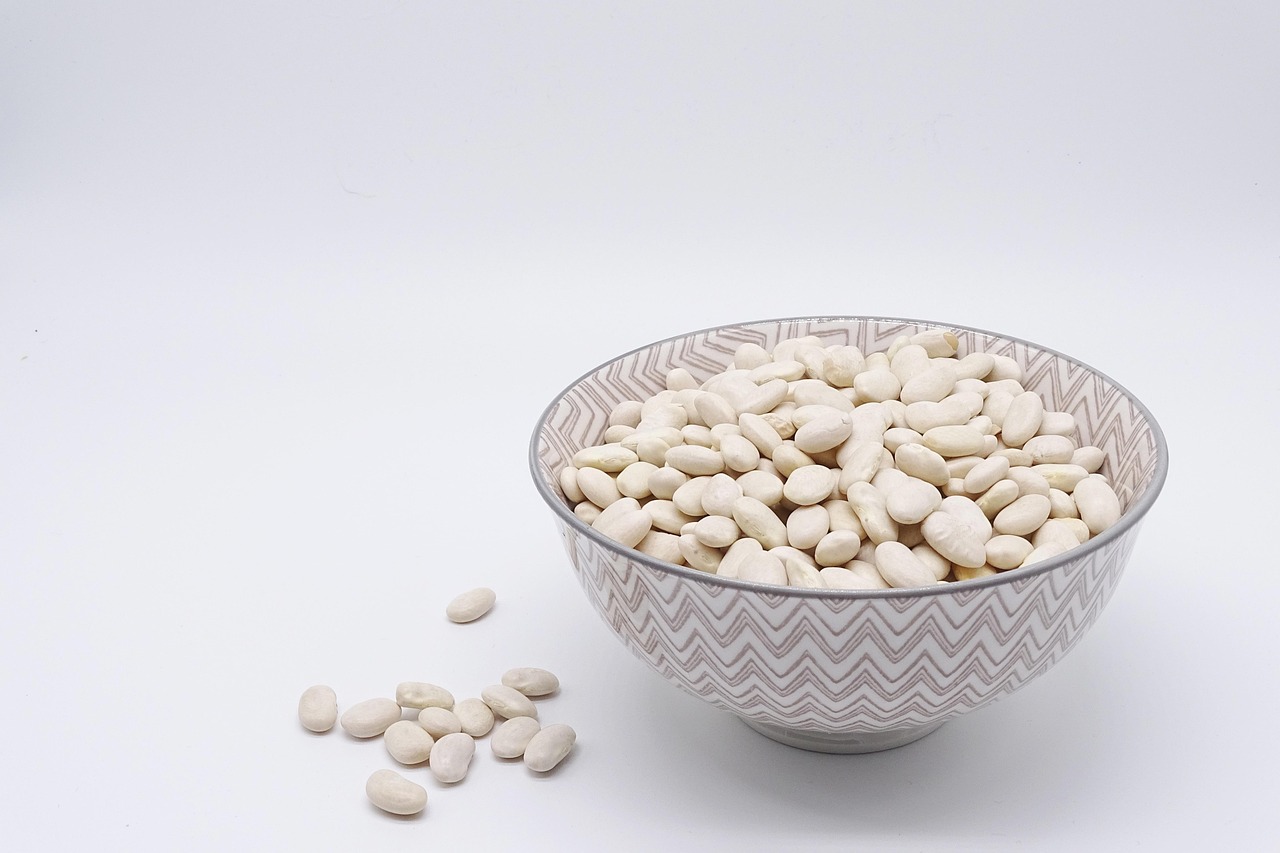
Legumes and pulses should form the backbone of any vegetarian meal plan focused on protein intake. These foods are not only inexpensive but also highly nutritious. Examples include lentils, chickpeas, black beans, and kidney beans, which are rich in both protein and fiber. Including legumes in your diet can keep you feeling full for longer, reducing cravings and promoting healthy weight management. Try adding lentils to soups, stews, or salads for an extra protein punch. Chickpea curry is another fantastic source of protein while being full of flavor. Beans can seamlessly blend into various meals, such as burritos or pasta dishes, making them perfect for meal planning. When selecting legumes, opt for dried versions if possible, as they are often healthier and cheaper than their canned counterparts. With creative meal ideas such as veggie burgers or bean dips, legumes can be easily included in a variety of meals, setting you up for success. Remember to consume legumes regularly to ensure you’re meeting your protein requirements effectively and enjoyably.
In addition to legumes, dairy products (if consumed), eggs, and certain grains also provide valuable protein. Greek yogurt, for instance, has become particularly popular for its creamy texture and protein content. This makes it an excellent addition to smoothies, breakfast parfaits, or as a snack on its own. Eggs are another powerhouse protein source, with versatility in dishes, whether scrambled, hard-boiled, or baked. Additionally, many grains such as barley, oats, and farro contain substantial protein levels. When selecting grains, consider integrating whole grains into your meals to boost overall nutrition. Whole grains have more fiber and micronutrients, contributing to well-rounded meals. Using these protein-rich ingredients in creative ways can help you achieve your goals effectively. For breakfast, consider oatmeal topped with nuts or seeds, while lunch can be a grain bowl topped with your chosen legumes. Incorporating these elements can add both flavor and texture, making meals satisfying, nutritious, and enjoyable. Focus on maintaining an overall balance in your vegetarian diet to fulfill your nutrition and protein needs.
Planning and Preparing Meals Efficiently
Effective meal planning and preparation play crucial roles in ensuring a high-protein vegetarian diet. A well-structured meal plan allows you to stay within your budget while meeting your dietary goals. Start by developing a list of protein sources you want to include in your meals, along with recipes that incorporate them. This strategy will help streamline your grocery shopping and reduce waste by ensuring that you buy only what you need. Dedicate particular days of the week for meal prep, preparing various protein dishes in large batches that can be easily reheated. Storing ingredients like precooked quinoa, roasted chickpeas, and lentil soup in portioned containers will make meals more convenient during busy days. Planning your meals around sales or seasonal produce can also optimize the nutritional quality and cost-effectiveness of the food you purchase. Remember to incorporate fresh fruits and vegetables, along with your protein-rich sources, as they provide essential vitamins and minerals. By being proactive in your meal planning and preparation, you can maintain a balanced vegetarian protein diet, helping to sustain your health and wellness.
Engaging in meal sharing or cooking with friends and family can also enhance your protein-focused meal planning experience. Cooking together allows you to discover new recipes and cooking methods, often leading to more enjoyable meals. Sharing ideas and techniques can introduce you to innovative protein-rich sources you might not have considered before. It’s also an opportunity to break bread and foster community, which plays an essential role in maintaining a healthy relationship with food. Incorporate themed cooking nights dedicated to vegetarian cuisine; this excitement can make meal planning feel less like a chore. Additionally, don’t hesitate to explore the growing world of plant-based substitutes, such as meat alternatives, which are high in protein. These products can easily integrate into traditional meals, providing familiar flavors while supporting a vegetarian lifestyle. Enthusiastic experimentation with these newer ingredients can invigorate your meal planning and introduce diverse flavors. Above all, remain patient and flexible with yourself as you embark on your vegetarian journey. Meal planning becomes a rewarding practice that fosters joy, creativity, and health when approached with the right mindset.