
Hydration Basics: What You Need to Know
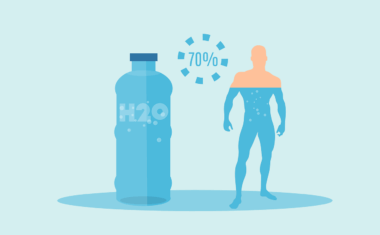
Hydration is vital for overall health, as it directly impacts various body functions. Water makes up about 60% of our body weight and is crucial for maintaining normal physiological processes. Despite its importance, many people do not consume enough water daily. The average adult needs approximately 2 to 3 liters of water, depending on activity level, climate, and individual health conditions. Staying hydrated helps regulate body temperature, keeps joints lubricated, and protects organs and tissues. Dehydration can lead to severe issues such as headaches, fatigue, and confusion. Additionally, water is essential for nutritional absorption, aiding in digestion and metabolism. It also plays a key role in detoxifying the body, as it supports kidney function. Thus, ensuring adequate water intake can be seen as a simple yet effective measure to promote general well-being. Many health experts recommend drinking water regularly throughout the day rather than waiting until you feel thirsty. It can also be beneficial to consume fruits and vegetables high in water content, such as cucumbers, oranges, and melons. Making hydration a daily priority can significantly improve quality of life.
Various factors influence hydration needs, including physical activity, age, climate, and diet. Athletes and those engaging in vigorous activities require higher water intakes to replace lost fluids from sweating. Climate plays a crucial role too; individuals living in hot, dry environments need to adjust their intake to prevent dehydration. Age is another consideration, as elderly individuals may not sense thirst as effectively as younger adults, making them more susceptible to dehydration. Furthermore, specific diets can impact hydration levels; high-protein diets, for example, often require increased water intake to aid digestion. On the other hand, consuming excessive caffeine or alcohol can lead to fluid loss, necessitating further hydration. To establish personal hydration needs, monitoring urine color can be effective. Pale yellow urine typically indicates adequate hydration, while darker shades may signify dehydration. A general recommendation is to drink water regularly during meals and throughout the day, making it a habit. Utilizing water tracking apps or setting reminders can help maintain adequate hydration levels, ensuring physical and mental functions remain optimal. Hydration can also enhance skin health, supporting elasticity and reducing dryness.
The Importance of Electrolytes
In addition to water, maintaining a balance of electrolytes is essential for optimal hydration. Electrolytes such as sodium, potassium, magnesium, and chloride help regulate fluid balance, muscle function, and nerve signaling. These minerals are lost through sweat; thus, individuals engaging in prolonged physical activity must replenish them. Common signs of electrolyte imbalance can include muscle cramps, fatigue, and headaches. To restore electrolyte levels, consider consuming sports drinks during intense workouts. However, read labels carefully, as many beverages can contain added sugars. Natural sources of electrolytes exist as well; coconut water, bananas, and leafy greens are excellent choices. Incorporating these foods into a daily diet can help replenish lost minerals while providing additional nutrients that support overall health. Additionally, staying mindful of sodium intake is crucial, especially when it comes to processed foods, which are often high in sodium and low in potassium. For those with specific health conditions, consult a healthcare professional to determine optimal electrolyte needs. Balancing both hydration and electrolytes contributes to better physical performance and recovery, highlighting their interconnected roles in maintaining health.
Hydration also enhances cognitive function, as even mild dehydration can impair attention, memory, and mood. Studies have shown that water intake positively influences cognitive tasks, making proper hydration essential for academic and professional performance. In addition, staying hydrated can improve energy levels. Fatigue can often be a sign of dehydration; therefore, drinking enough water can alleviate feelings of tiredness. Consuming water before, during, and after meals can support digestion and help regulate appetite, potentially aiding in weight management. Additionally, drinking water before meals may promote a feeling of fullness, which can be helpful for those looking to lose weight or maintain a healthy diet. This makes water an important tool in managing calorie intake. Drinking flavored water or herbal teas can make hydration more enjoyable. Experimenting with different cooling beverages can make staying hydrated a delightful experience. Recommendations for drinking include carrying a reusable water bottle and refilling it throughout the day. Apps that track water intake can help remind individuals to drink regularly. Excellent hydration habits, when maintained over time, can contribute to better physical health, mental clarity, and overall life satisfaction.
Common Myths About Hydration
Several myths surround hydration that can lead to confusion. One common belief is that thirst is a reliable indicator of hydration needs, but this is not always the case. Often, by the time we feel thirsty, we may already be experiencing mild dehydration. It’s essential to drink water consistently throughout the day, rather than relying solely on thirst cues. Another myth is that all fluids contribute to hydration equally. While beverages like coffee and tea can hydrate, they may also act as mild diuretics. Therefore, it’s prudent to prioritize water as the primary source of hydration. Additionally, many people think they need to drink eight glasses of water daily; however, individual hydration needs can vary widely based on factors like physical activity and weather. Fruits and vegetables, which have high water content, can also count toward daily intake. Relying solely on water may not consider individual unique hydration methods for distinct conditions. Understanding these differences can help tailor hydration practices to suit specific needs. Debunking hydration myths is crucial for implementing effective strategies that encourage well-being.
In conclusion, staying adequately hydrated is essential for various body functions and overall health. Individual hydration needs can vary greatly, influenced by factors such as activity levels, age, and diet. Monitoring fluid intake through tools like water tracking apps and paying attention to signs of dehydration can help ensure optimal hydration. It’s crucial to maintain a balance of electrolytes to support bodily processes, especially for individuals who engage in high-intensity exercise. The importance of water goes beyond quenching thirst; it significantly impacts cognitive abilities and energy levels. By challenging common myths and creating a proactive approach to hydration, individuals can enhance their overall health and well-being. Making small changes, like carrying a water bottle or adding water-rich foods to meals, can significantly improve hydration habits. Remember that consistent hydration contributes not only to physical performance but also to mental clarity and emotional well-being. Transforming hydration practices can lead to profound benefits in daily life. Ultimately, prioritizing hydration is a simple way to promote long-term health, ensuring that the body operates efficiently and effectively. Drink up, and reap the rewards!
Tips for Staying Hydrated
To ensure proper hydration, implement practical strategies in daily routines. Try setting reminders to drink water at regular intervals, making it a habit. Carrying a reusable water bottle makes monitoring intake easier and encourages frequent sipping. Incorporating hydration-friendly snacks like cucumber slices or watermelon chunks into meals can boost water consumption throughout the day. Additionally, cold water can be more refreshing and might increase your desire to drink it. Infusing water with fruits or herbs can enhance flavor and make the experience enjoyable. Aim to drink a glass of water before meals, which can encourage hydration while also helping with appetite regulation. Setting daily water goals can motivate you to drink sufficient amounts consistently. Joining hydration challenges with friends or family can make the process more engaging and fun. Remember to adjust your fluid intake based on various factors such as heat and exercise level, especially during summer months or intense workouts. Educating yourself and others on the significance of hydration can promote better habits within your social circle. Overall, consistency is key to achieving optimal hydration and supporting lasting health.
Staying hydrated doesn’t only benefit individuals; it also fosters a healthier community. Collective engagement in hydration practices can promote overall wellness, leading to reduced healthcare costs and improved quality of life. Schools, workplaces, and social groups can implement hydration initiatives to encourage water consumption among members. Setting up hydration stations with easily accessible water can make it convenient for everyone. Organizing fun and interactive challenges, like a hydration challenge week, can motivate participants to drink more water together. Additionally, providing educational workshops on the importance of hydration can spread awareness and motivate positive lifestyle changes. Collaborating with local health organizations to promote better hydration can create community support networks. When communities prioritize hydration, they foster an environment conducive to health. Individuals can champion hydration practices within their circles, advocating for clear access to clean water. Small steps taken by individuals can result in significant improvements in overall community well-being. Ultimately, prioritizing hydration at both personal and community levels enhances collective resilience and health, allowing everyone to thrive together.