
How Wearable Fitness Trackers Influence Motivation and Exercise Habits
Wearable fitness trackers have revolutionized the way people approach their health and fitness goals. These devices provide users with real-time data about their physical activities, which can significantly enhance motivation levels. By tracking steps, heart rate, calories burned, and sleep quality, individuals can gain insights into their performance and overall well-being. Moreover, the interactive nature of these gadgets encourages friendly competition among friends and family. For instance, leaderboards can highlight who has covered the most steps in a day, creating an engaging challenge for all participants. Many fitness enthusiasts find such gamification elements motivating. Tracking metrics on a daily basis can help users set achievable goals, gradually increasing their activity levels. This process fosters a sense of accountability, which is essential for maintaining long-term fitness habits. Additionally, receiving reminders and alerts to move or work out can prompt users to get active, especially when they may have become sedentary. Overall, wearable fitness trackers play a critical role in shaping exercise routines by providing essential feedback and fostering motivational tools that spur users into action.
One of the key features enhancing motivation is the feedback users receive from wearable fitness devices. This data-driven approach provides users with tangible evidence of their progress, which can be incredibly encouraging. When users observe improvements, such as an increase in daily step count or enhanced sleep patterns, they are more likely to stay committed to their fitness goals. Studies have shown that individuals who monitor their progress often find the accomplishment rewarding. Additionally, many wearable fitness trackers utilize visual representations through graphs and charts to further engage users. This clear visualization helps people understand their journey better, making it easier to stay focused on their objectives. Furthermore, integration with mobile apps offers personalized coaching and workout plans based on individual performance. These plans can adapt in real-time, ensuring users are continuously challenged. Such personalized experiences can further enhance motivation, making fitness routines more appealing. Also, many devices allow for data sharing on social media platforms, providing external validation from friends, family, and followers, which can boost a user’s motivation. Ultimately, this wealth of information provided by wearables encourages individuals to pursue their fitness journeys with enthusiasm and determination.
Wearable fitness trackers also facilitate community engagement, which can significantly enhance motivation. Many people thrive in supportive environments, and these devices often have social features that allow users to connect with others. Users can join groups or challenges where they share their progress and cheer each other on. Such communal efforts promote a sense of belonging and accountability, making it more enjoyable to stay active. Furthermore, many trackers allow for competitive challenges, which can provide an extra push to reach fitness goals. Regular updates on collective achievements encourage users to strive for consistency. Additionally, seeking support from virtual communities can encourage those who may be struggling or feeling demotivated. When users post their victories or challenges online, they receive feedback and encouragement, helping them maintain their focus. There is an undeniable power in community support that wearable trackers leverage effectively. Whether friends, family, or social media followers, having a supportive network can lead individuals to surpass their expectations. Overall, the ability to connect with others through technology makes the fitness experience more enjoyable and gratifying, supporting the motivation needed to pursue a healthier lifestyle.
The Psychological Impact of Wearables
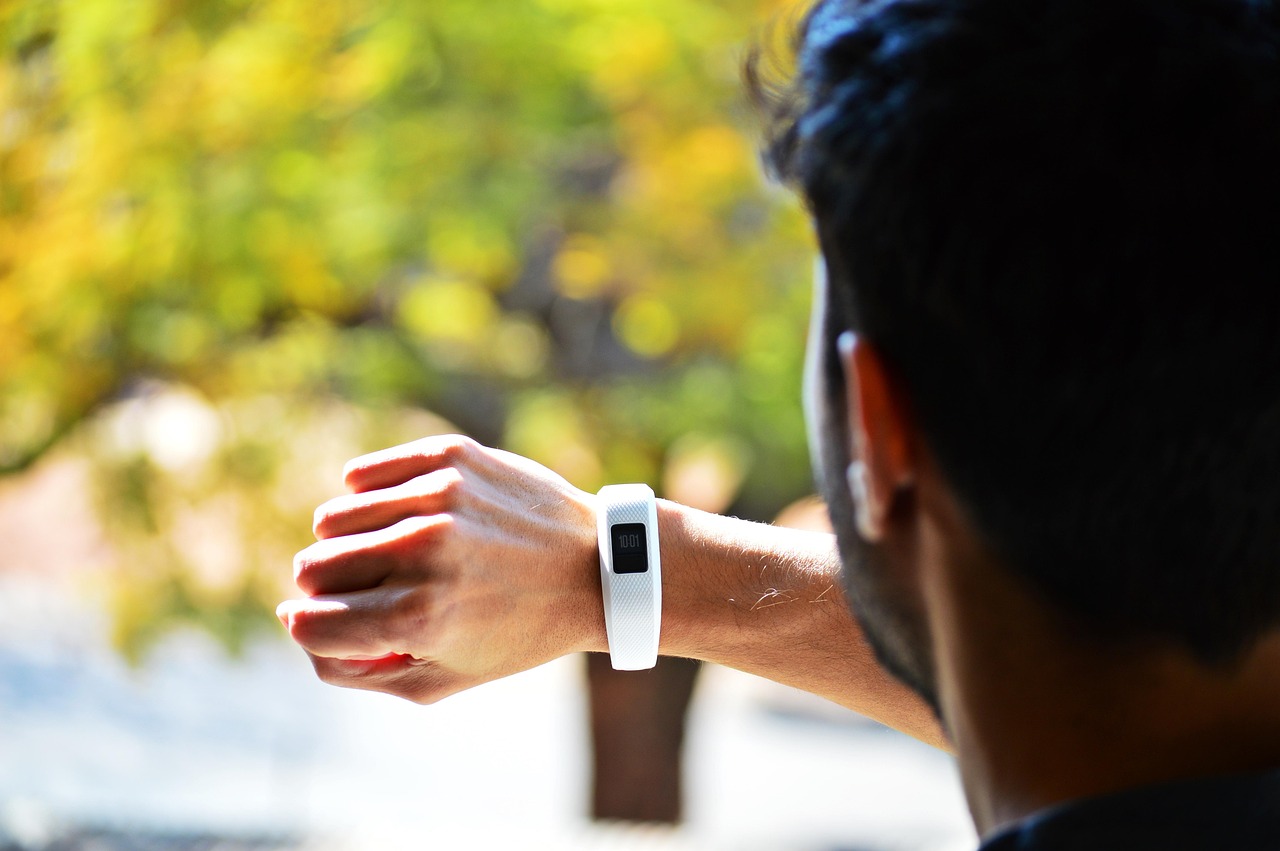
Beyond data tracking, the very presence of wearable devices can influence psychological aspects of motivation. People may experience a heightened sense of commitment upon wearing a fitness tracker, as it symbolizes their intention to prioritize health. This psychological contract can serve as a powerful motivator. Having a physical representation of one’s goals can lead to increased mindfulness regarding daily activities. Many users report a greater awareness of their movements and exercise habits as a direct result of wearing these devices. This awareness can foster healthier choices throughout the day, such as opting for stairs instead of elevators. Similarly, the act of putting on a fitness device can signal the start of a workout or active period, reinforcing routines. Furthermore, the social element that wearables offer can also play a significant role in enhancing motivation. Many users feel compelled to keep up with their peers or social circles, pushing them to remain active. Thus, wearables create an environment where motivation flourishes based on both personal accountability and social interaction, leading to more effective exercise habits in everyday life.
Moreover, the technology behind wearable fitness trackers continues to evolve, incorporating advanced physiological monitoring features. Heart rate variability, VO2 max, and even blood oxygen levels can provide users with a deeper understanding of their fitness levels. This comprehensive data equips individuals with the necessary knowledge to tailor their workouts efficiently. When users notice specific metrics indicating improvements, motivation can spike. Many trackers provide insights into recovery, suggesting when users should take rest days or push harder, allowing for enhanced overall performance. Furthermore, these innovations can lead to better time management and workout planning, crucial for busy individuals who struggle to find time for fitness. By adjusting workouts based on recovery data, users can maximize their efficiency and effectiveness. Wearable technology also fosters personalized training approaches, avoiding one-size-fits-all strategies. Such customization is vital for maintaining motivation, as users see tangible benefits from their unique efforts. In summary, improved technology and features augment the motivation provided by fitness trackers, making them indispensable tools in an individual’s fitness journey.
Moreover, the integration of gamification within fitness tracking applications enhances user motivation further. Gamification employs game-like elements such as points, badges, challenges, and rewards to maintain engagement and commitment. Users often find themselves striving for targets, which adds an element of fun to the experience. These challenges not only keep individuals motivated but also offer a sense of accomplishment once completed. As users accumulate successes, they are more likely to adhere to their routine consistently. Design aspects play an essential role in this dynamic, as aesthetically pleasing interfaces encourage prolonged usage. Notifications and reminders are crucial in prompting users to remain active and complete their goals. Many individual attributes contribute to creating personalized motivation strategies that ensure users remain involved with their fitness programs. By establishing short-term goals leading to larger milestones, users will feel more satisfied with their journey. Collectively, these factors lead to a more fulfilling experience, further solidifying the importance of wearable fitness trackers. Overall, gamification is integral to promoting sustained motivation in individuals pursuing their exercise habits.
Conclusion
In conclusion, the impact of wearable fitness trackers on motivation and exercise habits is undeniable. These gadgets provide critical data that transforms how individuals perceive their health and progress. By promoting accountability through consistent tracking, fostering community engagement, and utilizing gamification, wearable fitness trackers significantly influence fitness outcomes. They empower users, transforming personal fitness journeys into a more enjoyable process. The ability to visualize progress and obtain real-time information creates a productive feedback loop, reinforcing positive behaviors. Moreover, the technological advancements that continue to emerge will enhance user experience, providing even more motivation in the long run. With improvements in both hardware and software, these devices are likely to become even more compelling tools for fostering healthier lifestyles. As more people embrace wearable technology, it is evident that these devices will play a pivotal role in shaping the future of health and fitness. Thus, wearable fitness trackers serve as a vital resource for anyone looking to remain active and committed to an improved lifestyle.