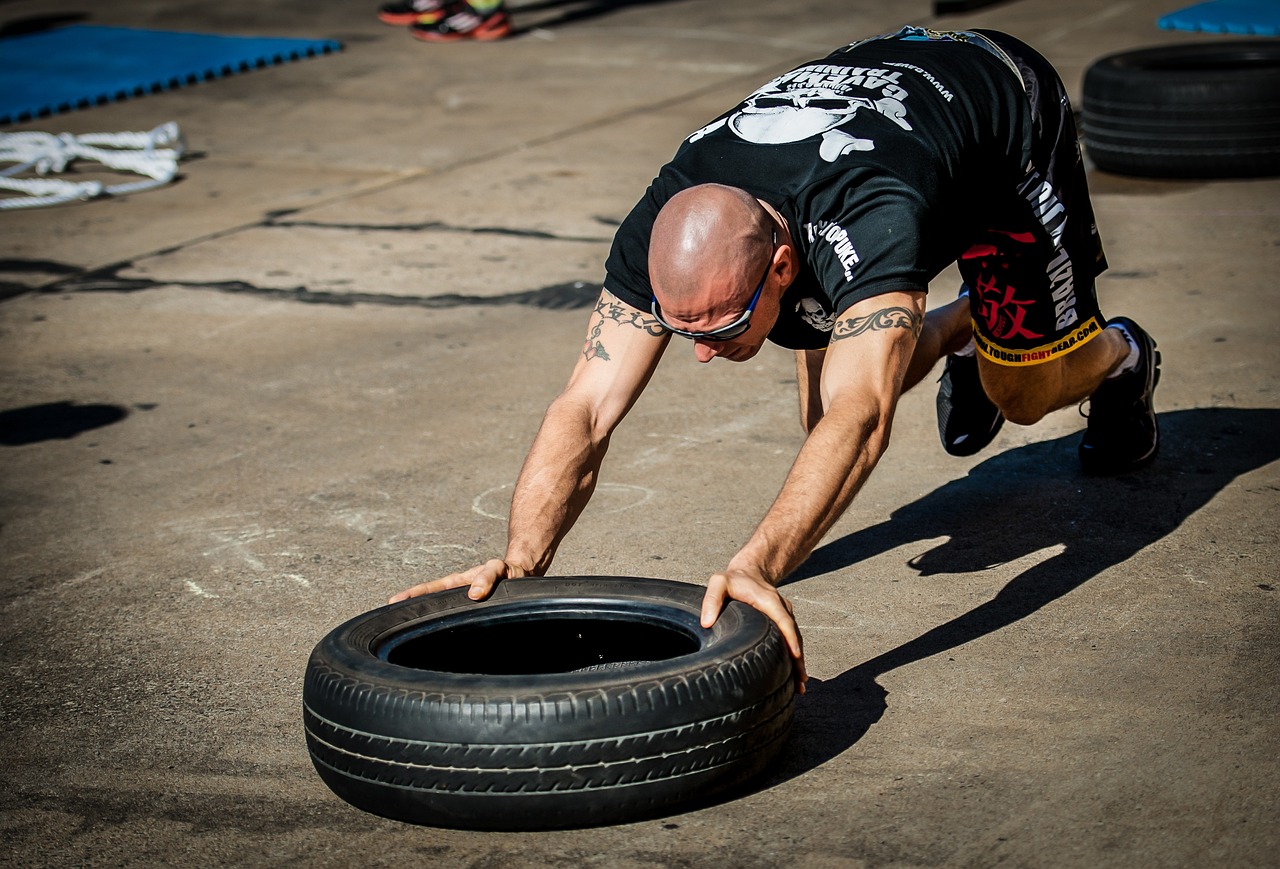

Understanding Functional Training
Functional training is defined as a method of exercise that mimics real-life activities to improve overall movement patterns. Unlike traditional strength training, which typically focuses on isolating muscle groups, functional training develops strength, flexibility, and endurance in a more integrated way. This approach enhances the body’s ability to perform activities of daily living, making it an attractive option for many individuals. Functional exercises often utilize multiple joints and muscle groups, creating a dynamic workout that can boost athletic performance and decrease the risk of injury. Common movements include squats, lunges, and rotational movements, which closely simulate motions we do every day. By engaging multiple muscle groups, functional training allows for better coordination and balance. Additionally, it encourages the use of stability equipment like balance boards and medicine balls, further enhancing core strength. Research supports the effectiveness of functional training in improving physical performance and stability. Many fitness professionals endorse this training method for its accessibility for individuals of all fitness levels. Consequently, functional training continues gaining popularity in fitness programs worldwide, appealing to those looking to improve not only their strength but overall athletic capabilities.
Traditional Strength Training Overview
Traditional strength training, on the other hand, involves using weights and resistance to increase muscle strength and mass. This training can be performed using free weights, machines, or bodyweight exercises, often isolating specific muscle groups for maximum hypertrophic effect. Commonly prescribed by fitness trainers and enthusiasts, traditional strength training focuses on exercises like bench presses, deadlifts, and bicep curls. This highly controlled method can lead to significant muscle gains and is frequently used by athletes aiming to enhance their performance. It also allows for more straightforward progression in strength, with varying weight loads adjusted to maximize outputs. However, traditional strength training generally lacks functional applicability to everyday activities. The primary goal is muscle strength and size rather than functional capacity. While effective for bodybuilders and powerlifters, it may not prepare individuals for the physical tasks of everyday life. Despite its limitations, traditional strength training remains vital in fitness for building muscle mass and enhancing overall strength. Consequently, it is essential to compare both training forms to understand their unique benefits and drawbacks for optimal fitness strategies.
Comparing Outcomes: Functional vs. Traditional
When comparing functional training with traditional strength training, one must consider various outcomes. Functional training primarily enhances core stability and dynamic movements crucial for real-life activities. This focus can lead to improved athletic performance and reduced injury risk by addressing the body’s natural movement patterns. On the flip side, traditional strength training can yield significant muscle hypertrophy, helping individuals achieve aesthetically desirable physiques. Each method holds distinct benefits based on fitness goals. If one’s objective is to enhance performance in activities like running, skiing, or swimming, functional training will likely be more beneficial. However, traditional strength training might better serve those seeking to build muscle or push their lifting limits. Additionally, integrating both training styles can provide a holistic approach to fitness. Doing so draws on the strength-building aspects of traditional methods while harnessing the functional movement benefits as well. Fitness professionals often recommend a blended approach to balance strength gains with functional performance. This combination helps cater to varied fitness goals while ensuring comprehensive physical development for individuals engaged in all types of training.
Another distinguishing factor between both training styles is the required equipment and accessibility. Functional training often utilizes minimal equipment, focusing instead on bodyweight exercises, resistance bands, or stability tools. This makes functional workouts more accessible for people who may not have access to fully equipped gyms. In contrast, traditional strength training might necessitate a greater range of equipment, from dumbbells and kettlebells to specialized machines that can prove costly and occupy significant space. For home workout enthusiasts, this accessibility in functional training can represent an attractive feature. Moreover, functional training is easily modifiable for diverse fitness levels, making it suitable for beginners and experienced athletes alike. Traditional strength training can be equally adapted; however, it might require more comprehensive knowledge of form and technique to prevent injury. Understanding the skill level and fitness goals is crucial when selecting which training method to engage in over time. Thus, a well-rounded approach that considers personal circumstances and preferences may ensure better adherence to a fitness regime, leading to long-term success.
Physiological Benefits
Both training styles confer unique physiological benefits that cater to distinct individuals’ needs. Functional training typically focuses on improving proprioception and agility, essential for fitness enthusiasts engaging in multiple sports or activities. Training movements that resemble practical daily tasks enhances functional strength, encouraging better overall body coordination. This can lead to reduced injury rates due to stability enhancements and improved muscle balance. Additionally, functional training targets different muscle groups simultaneously, promoting efficient energy use and fostering improved cardiovascular health. In contrast, traditional strength training is excellent at facilitating muscle hypertrophy and increasing overall strength. By systematically overloading muscles, individuals can experience prominent adaptations contributing to overall fitness performance. Furthermore, this training is efficient for those aiming to bulk up or gain power. However, beyond muscle building, it may not significantly enhance functional movement. Thus, choosing a style resonates with your specific fitness goals becomes crucial for achieving desired performance. Implementing either method is better; however, tailoring your program to align with personal objectives integrates essential attributes from each style for holistic physical health.
Ultimately, the choice between functional training and traditional strength training often depends on individual goals, preferences, and specific physical outcomes desired. Understanding the strengths of each can help formulate effective workout plans while considering personal health and fitness aspirations. Each program has potential benefits, catering to unique fitness journeys. For example, individuals focused primarily on functional movement may find traditional strength training secondary to their objectives, possibly incorporating elements to enhance their functional ability. Meanwhile, those pursuing aesthetic goals may prioritize traditional strength approaches while integrating functional exercises to maintain overall mobility. Research supports both training styles as effective methods for improving fitness, strength, and wellbeing; thus, considering blending both approaches can yield optimal results for varied fitness seekers. Progressing through structured variations within each method can also help in goal attainment, ensuring continual adaptation within the body’s physical capabilities. Moreover, nurturing motivation becomes paramount in maintaining long-term fitness habits. Therefore, commitment is necessary to balance pursuit aesthetics and functional outcomes while enjoying the process of growth throughout individual fitness adventures.
In conclusion, the debate between functional training and traditional strength training highlights distinct advantages and potential limitations of each workout form. While functional training proves advantageous for improving everyday strength and agility, traditional strength training effectively builds muscle size and specific strength. Ultimately, a well-rounded fitness regime that incorporates aspects from both types can foster improvements across all fitness parameters. To enhance engagement, consider varying your workouts, swapping between functional movements and isolated strength exercises. Doing so can enhance motivation, performance, and overall satisfaction with your training efforts. It’s imperative to align your chosen program with your personal objectives, fitness preferences, and available resources. Developing a sustainable routine that fits your lifestyle can produce the best results over time. Consulting with fitness professionals can also provide tailored advice on melding these approaches effectively. As interest in personal training continues to grow, possessing a comprehensive understanding of these methods becomes essential for optimizing training strategies. With both paths leading to potential success, individuals can tailor their journeys to satisfy personal fitness aspirations, driving them toward improved health and wellbeing.