
Fermentation Troubleshooting: Common Problems and Solutions
Fermentation is a fantastic method to enhance flavor and preserve food. However, issues can arise during the process. It’s crucial to identify common problems to guarantee successful fermentation. First, mold is a significant concern. If you see mold on the surface of your fermented food, it is vital to remove it immediately. Use a clean spoon and discard the contaminated portion. Next, ensure that your fermentation conditions, such as temperature and humidity, are appropriate for the type of food you are fermenting. Low temperatures can slow down the fermentation process, leading to undesirable results. On the other hand, excessive heat may spoil your batch. Ensure your environment is stable and mimics the ideal conditions for your chosen recipe. Also, the type of container used can influence fermentation. Choosing the right container is essential. Use glass or food-grade plastic to prevent chemical reactions, enhancing flavor and safety. Pay attention also to the air exposure; improper sealing can lead to oxidation and spoilage. Keep these tips in mind for a successful fermentation experience.
Identifying Fermentation Smells
Sometimes, the smell during fermentation raises concerns. A strong, unpleasant odor can indicate spoilage. Fermentation should yield pleasant, tangy odors, but if it smells off, it’s time to reassess the method. It can be beneficial to monitor and identify smells during the initial stages. In those cases, identifying smells helps differentiate between acceptable and unacceptable odors. For example, a smell reminiscent of rotten eggs or vinegar can suggest improper fermentation or contamination. If you recognize these smells, assess the ingredients, equipment, and environment used. Sometimes, adjusting these factors can eliminate undesirable odors. Furthermore, smell can help determine when fermentation is complete. If the intended tangy smell intensifies, it’s an indicator that the fermentation process is successful. Don’t rush this process; allow your food to ferment until it reaches its desired aroma. It’s a delicate balance of time and patience to create successful fermented foods. Always remember that taste is more crucial than smell; if it tastes off, you should discard it. Safety in fermented food preparation should always come first.
Another crucial aspect pertains to the texture of fermented foods. If your sauerkraut is mushy or too hard, you might have a texture problem. Texture inconsistencies can arise from using the wrong cabbage variety or not enough salt. Salt concentration plays a significant role in the brining process. It ensures proper fermentation and the right crunch. Using the appropriate ratio of salt can prevent unwanted mushiness while also allowing the fermentation to occur correctly. If the texture seems off, assess your recipe for precise ratios. Additionally, consider the quantity of liquid used; too little liquid can lead to uneven fermentation textures, while too much may cause buoyancy issues. Always ensure that your vegetables are submerged in the brine entirely, preventing exposure to air and potential spoilage. You can try to adjust the texture by letting the mixture ferment longer or adjusting your salt ratio. Sometimes, fermentation takes longer than expected; patience here is essential. Remember, a crunchy ferment is often desirable, so don’t be afraid to tweak your method until you achieve the desired consistency.
Timing and Temperature Considerations
Timing and temperature are essential when fermenting. Each food type has a precise fermentation timeline; understanding this can prevent spoilage. When fermenting, ensure that you’re aware of the ambient temperature. For example, cooler temperatures can slow fermentation considerably, while warmer environments accelerate it. Most fermented foods prefer temperatures between 65°F and 75°F. It’s vital to check not only the room temperature but also the temperature of the food itself. An easy way to monitor this is by using a thermometer. If you notice that the fermentation appears stunted, try to increase the warmth gently without cooking the food. Remember that the ideal temperature can vary based on the recipe; thus, always follow your specific recipe guidelines. During fermentation, it’s beneficial to taste your food at various stages. This involvement will help you determine when it reaches your preferred flavor. Check for mouthfeel and aroma as it reaches the end of its fermenting period. When the taste aligns with personal expectations, it is time to terminate the fermentation. Do not lose sight of the timeframe; each ferment has unique timing.
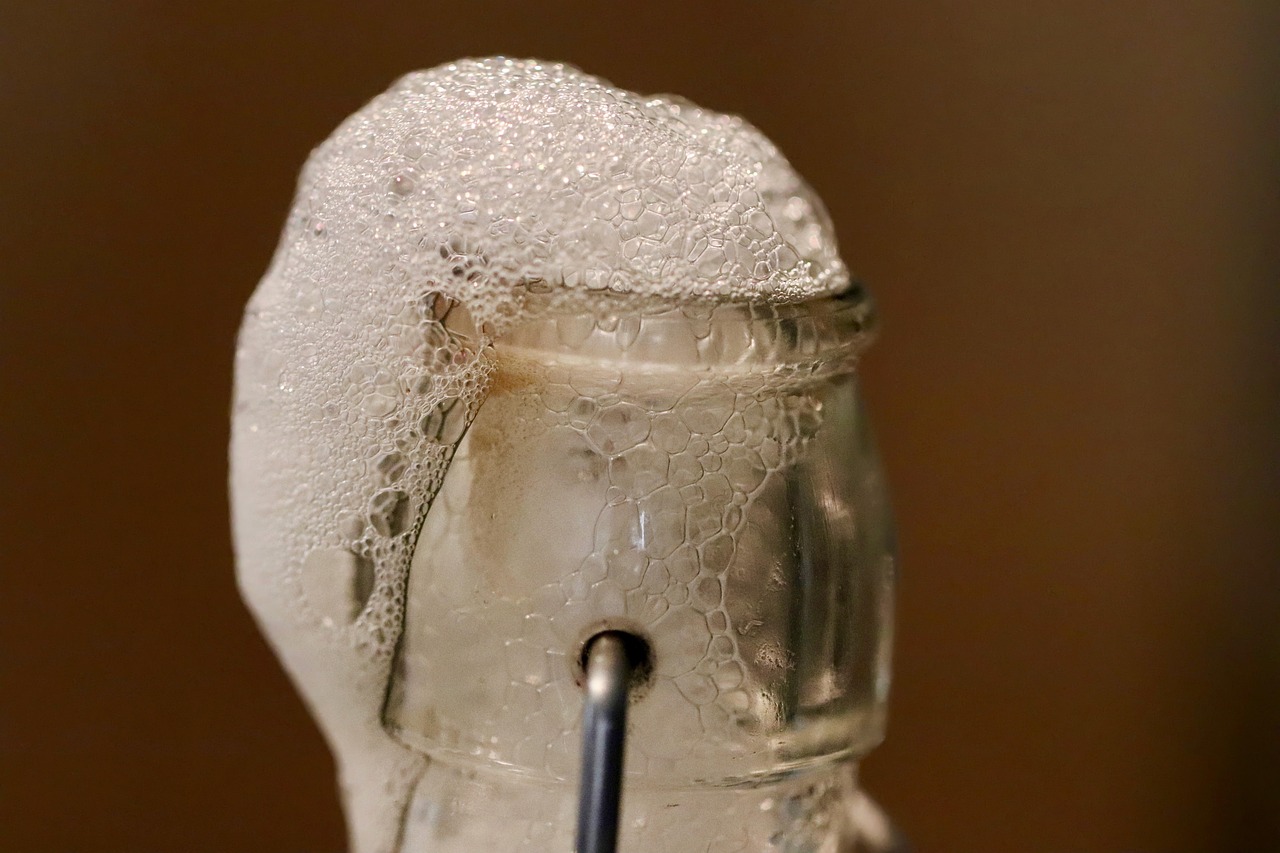
A frequent issue that arises is the formation of gas bubbles during fermentation. Often, you may notice bubbles, which can be an encouraging sign of live cultures in action, especially in beverages like kombucha or kefir. However, excessive gas can cause overflow or even explosions in sealed bottles; hence, it’s essential to ensure that you are using adequate vessels. If you notice expanding pressure, consider burping your ferment, especially with bottles, to release built-up gas. This method helps keep things in check while ensuring ongoing fermentation. It’s critical to check fermentation vessels daily during this period. Look for any signs of over-fermentation. Remember that proper storage containers allow gases to escape while preventing oxygen ingress. Using specially designed fermentation lids can help facilitate this process. Selecting the right container prevents tangling of aromas and flavors, as well. Consistent monitoring can save your batch and prevent unwanted spoilage. In case your fermentation is bubbling too vigorously, it can signify your recipe might need a cooling period. This adjustment can stabilize fermentation and ease unnecessary pressure buildup.
Addressing Flavor Issues
Sometimes, the flavor of fermented food surprises us—not always in a good way. If your finished product tastes overly salty, sweet, or bitter, you may have an imbalance in the ingredients. Improper ratios of salt or sugar will alter the outcome significantly. The key is achieving harmony, balancing flavors without overwhelming the intended taste profile. To remedy overly salty ferments, you can dilute the brine with fresh water or add additional ingredients to offset the saltiness. If the fermentation is too sweet, consider adding more salt to balance it out or additional souring agents like vinegar. Taste testing during the fermentation process provides valuable insights into flavors developing in your product. Remember that these flavors will continue to evolve. Thus, rely on your palate for feedback. If the inconsistencies persist, think about revising your recipe and ingredient ratios for future batches. Establishing a foundation of knowledge about your ingredients can assist in predicting how they will affect flavor. Documentation of trials and errors will lead to improved outcomes on your fermentation journey.
In conclusion, troubleshooting fermentation involves a few essential steps that lead to successful, delicious outcomes. Recognizing common problems such as odors, textures, timing, and flavor issues can aid in perfecting your techniques. It’s essential to keep a close eye on various fermenting variables, including temperature and timing, to ensure optimal results. Understanding your ingredients and how they work together will give you a heads-up on avoiding pitfalls in the future. Keep an open mind about your taste preferences and remember to record notes on your experiences. Engaging with different methods while learning from mistakes will yield better outcomes over time. With practice and perseverance, you’ll master the art of fermentation. You will learn about the right cultures to use and become adept at identifying sensory cues. As you gain experience, your knowledge on how to troubleshoot will significantly enhance your food preservation and flavor enhancement skills. Embrace the journey of creating wholesome, tasty, fermented foods that can enrich your meals and overall health—empowering you with knowledge for better culinary creations.
Fermented foods have become increasingly popular due to their health benefits. However, common problems might arise during the fermentation process, leading enthusiasts to seek solutions. For example, you might experience unwanted mold or other undesirable growth on the surface of your ferment. To combat this, remove any visible mold immediately, and inspect the underlying food for spoilage. Another issue can arise from using too much or too little salt in your brine, which can affect not only flavor but also the safety of the final product. Adjusting the salt concentration can help prevent spoilage and ensure successful fermentation. Additionally, temperature fluctuations during the fermentation process can affect your results. Keeping your fermenting food at a consistent temperature is crucial for maintaining the activity of beneficial bacteria. If your environment is too warm or cold, it can lead to unpredictable outcomes. Lastly, monitoring the smell and taste throughout the fermentation can provide vital clues. A correctly fermented food should emit a pleasant aroma and taste tangy, while unpleasant odors might indicate spoilage. Being vigilant can help you achieve satisfactory results.