
Bodyweight Training in Small Spaces: Community Tips and Stories
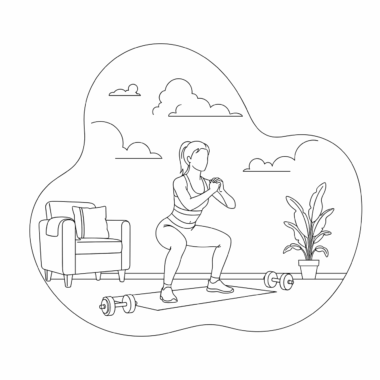
Bodyweight training can be incredibly effective, even in the smallest of spaces. Many have shared their success stories on how they adapted their routines to fit their living conditions. For instance, a lot of practitioners have found ways to turn their living rooms into effective workout zones. It’s all about creativity and adjusting exercises to fit the available space. Focus on using bodyweight exercises like push-ups, squats, and planks, which require minimal room. People effectively combine these with cardiovascular movements like jump squats, which also require little space. Additionally, using furniture creatively can enhance workouts; for example, chairs can be used for tricep dips, while tables can serve as platforms for elevated push-ups. Make sure to plan your workouts considering the available area to maximize output. There are numerous online communities where people share their setups and workout tips that cater to small spaces. Utilizing these resources can inspire you and provide practical solutions to train effectively wherever you are. Embracing these shared experiences fosters motivation and accountability, making your fitness journey more enjoyable regardless of the constraints.
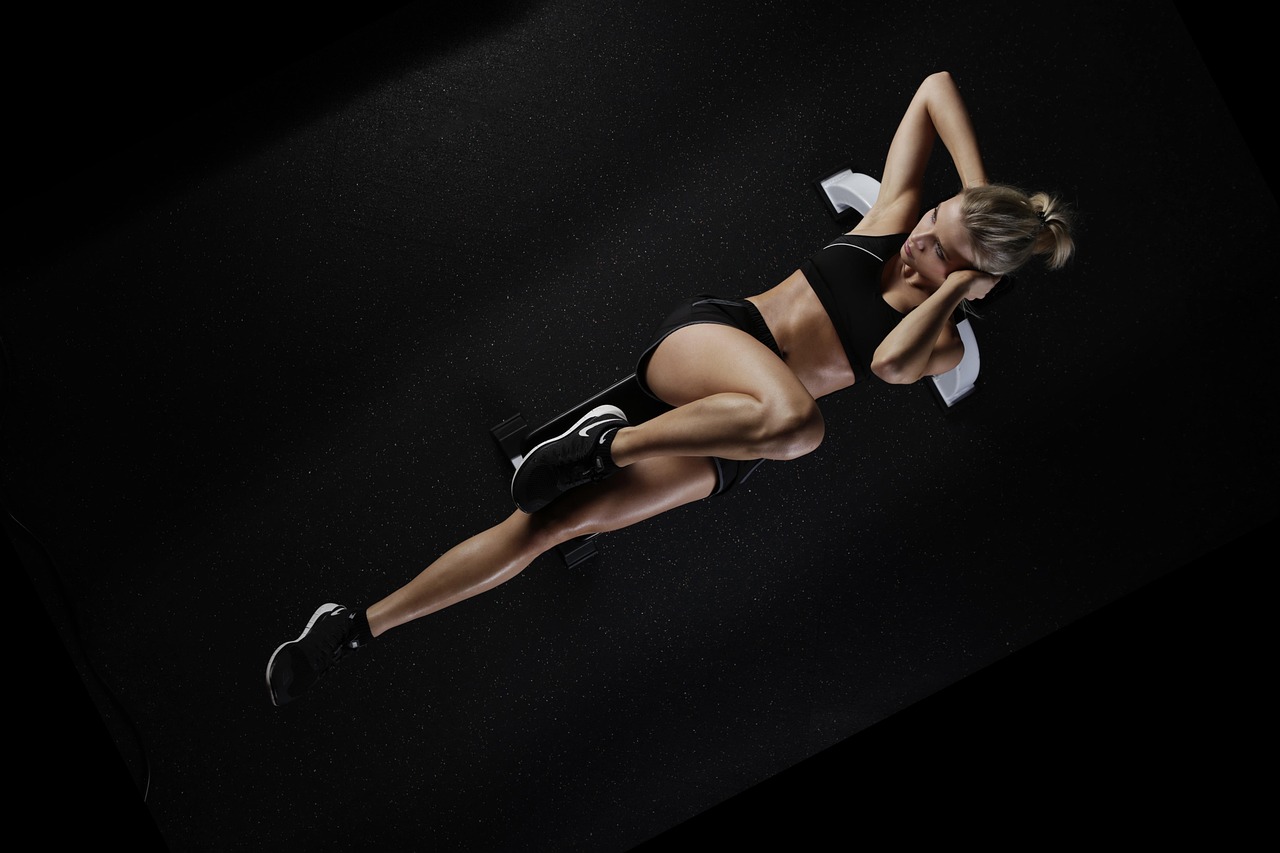
Workout routines can be tailored to fit your specific environment, especially if space is limited. An essential tip from the bodyweight training community is to focus on high-intensity interval training (HIIT). HIIT can be done using just your bodyweight and is very efficient in small areas. Short bursts of intense exercises followed by brief rest periods can provide a comprehensive workout. Consider exercises such as burpees, lunges, and mountain climbers. These exercises target multiple muscle groups while being compact in nature. Community members often exchange their routines, tailoring them for specific conditions, thus maximizing effectiveness. Additionally, the importance of structured planning cannot be overlooked. Creating a schedule allows individuals to stay consistent with their workouts, even in small spaces. Make time for flexibility and make sure your plan adapts to the space available. When in tight quarters, emphasize core strength and stability, using movements like planks and bicycle crunches. As you progress, explore ways to challenge yourself with variations of these exercises. The adaptability of bodyweight exercises enables significant growth in strength and endurance without needing expansive areas, proving that consistency is vital.
Engaging with a community can provide both support and inspiration, especially when dealing with space constraints. Many members of bodyweight fitness forums share their transformations and tips for training in limited spaces. Often, these stories highlight personal challenges, demonstrating resilience and creativity. For instance, before and after pictures resonate deeply within the community and motivate others to push through their barriers. No matter the size of the living area, determination can lead to remarkable personal achievements. Participants have also found value in sharing tips on optimizing their environment for workouts. A particularly engaging topic includes using a minimalistic approach to exercises, focusing on those that deliver maximum results in tight spaces. High-rep variations of basic movements often lead to significant strength gains. Moreover, safety tips are commonly exchanged, ensuring everyone trains safely without risking injury in cramped conditions. The stories of success highlight that no space is too small to embark on a fitness journey. Provided that you stay active, ensure your form is correct, and maintain motivation levels, incredible progress can be made at any location.
Maximizing Your Space
Maximizing the space you have available is crucial for effective bodyweight training. A great approach many have utilized is transforming underutilized spaces into workout areas; for example, the often-overlooked hallway can become a suitable training ground. Simple, effective exercises like lateral lunges or wall push-ups can be performed while moving through these compact areas. Furthermore, establishing a dedicated corner with mats and resistance bands might contribute to a more motivating environment. Visual cues often help reinforce the idea of working out; posters with workout plans or motivational quotes can encourage consistency in small spaces. Investing in a few basic accessories can also enhance the functionality of small areas. For instance, using a yoga mat can provide stability for floor exercises, while resistance bands enable a broader range of workouts without requiring significant space. Community support forces creativity and can promote sharing of innovative techniques that maximize every inch of your area. Therefore, maintaining an open mind towards adapting workouts can help you discover new ways to challenge yourself. Ultimately, adjusting your mindset about workout space will contribute immensely to achieving your fitness goals.
When embarking on bodyweight training in small spaces, it’s essential to integrate flexibility training and mobility work. Dedicated time for these components not only complements strength training but also prevents injuries, promoting overall well-being. Many community members emphasize the importance of stretching after workouts, highlighting its role in maintaining range of motion. Additionally, yoga and pilates exercises can be seamlessly adapted to fit into limited environments. They offer significant benefits with minimal space requirements, making them ideal additions. Practicing movements like downward dog or seated forward bends can enhance flexibility while requiring little more than a mat. Some practitioners have also found ways to incorporate balance work, which can be performed directly in front of a television or computer. Considering these components while planning your workouts promotes a comprehensive fitness approach. With numerous virtual classes available, practitioners can participate in flexibility routines that suit their needs. Connecting with others through social media platforms also allows for the sharing of favorite mobility resources and insights. Engaging with a community fosters learning, providing valuable strategies that can maximize training effectiveness, no matter the available space.
The role of music cannot be forgotten when training in small spaces. A well-curated playlist can serve as motivation, enhancing performance during workouts. Community members often share their favorite workout tracks, highlighting genres that pump them up while training. Additionally, certain online resources provide pre-made playlists tailored specifically for bodyweight workouts. This element adds fun to the training experience, allowing practitioners to contribute their style to the process. When workouts feel enjoyable, motivation remains high, encouraging consistency in routines. Furthermore, distractions from the outside world can be minimized in this manner, allowing total focus on the exercise. Engaging with audio while training can make completing repetitions feel less like a chore. As your endurance increases, building a playlist with various tempos can help pace intervals, guiding you through challenging workouts. Sharing your music tastes within the community can lead to discovering new favorites, enriching the experience overall. Ultimately, creating a captivating sonic environment enhances the overall quality of training in compact areas, proving invaluable in keeping spirits high and workouts effective.
Staying Accountable
Maintaining accountability is a crucial aspect of succeeding in bodyweight training. The community suggests that regular check-ins with fellow practitioners can significantly boost one’s drive and dedication. Setting personal goals and sharing them with others often leads to improved consistency in workouts. Many find motivation through joining online challenges or participating in group sessions, which cultivate camaraderie. Accountability partners, whether friends or community members, can help track progress by challenging each other. Sharing milestones encourages everyone to celebrate achievements, no matter how small. Additionally, creating a personal workout log can facilitate progress tracking, inspiring perseverance despite space limitations. Documenting workouts not only serves as a motivational tool but also allows you to reflect on your improvements. Engaging with communities online provides a platform for discussions, sharing unique routines and tips, which can further enhance motivation. Regularly motivating and being motivated can create a positive cycle of improvement. Underpinning this collaborative approach is the idea that working out in a small space is not just possible, it’s an opportunity for endless creativity. Leveraging community support and shared experiences fosters success while offering opportunities for growth.
In conclusion, bodyweight training in small spaces is entirely feasible with dedication, creativity, and community support. Adapting workouts to fit limited environments fosters growth and inspires innovation. The collective experiences within the bodyweight training community offer valuable insights that anyone can implement effectively. From optimizing small areas to creatively incorporating flexibility and mobility exercises, it is clear that commitment plays a vital role in fitness journeys. Whether accessing motivation through music, forming accountability partnerships, or sharing tips online, individuals can develop sustainable workout habits. Practicing bodyweight exercises within confined spaces emphasizes the idea that quality often surpasses quantity. Discovering innovative exercise variations and combinations allows practitioners to engage fully with their fitness routines. As the community continues to grow, more resources will emerge, contributing to personal transformations while promoting resilience. Ultimately, embarking on a bodyweight training journey is not limited only to those with large spaces; instead, it presents opportunities to refine techniques creatively and effectively. Embracing the challenges of small spaces not only strengthens the body but can also fortify the spirit, paving the way for lasting success in fitness.