
Beginner’s Guide to Isometric Core Exercises
For anyone starting their fitness journey, developing core strength is crucial. A strong core supports overall mobility and stability in daily activities and exercise routines. Isometric exercises, which involve maintaining a position without movement, can be particularly effective for beginners because they build strength at various angles. This guide will help you understand isometric exercises specifically targeting the core. Isometric exercises are not only safe for beginners; they can also help prevent injuries by stabilizing muscles and joints. One of the most profound benefits of isometric exercises is that they can be performed anywhere, requiring no special equipment. Most importantly, they engage major muscle groups. It is essential to focus on proper technique, as incorrect form can lead to injury. Our guide will detail several effective isometric core exercises, making it easier for you to start incorporating them into your workouts. You shouldn’t rush these exercises; instead, focus on alignment and breath. In the following sections, you’ll find specific movements to target your core muscles effectively. Let’s explore these simple yet powerful exercises and improve your core strength.
Key Benefits of Isometric Core Exercises
Engaging in isometric core exercises offers numerous benefits for beginners. Firstly, they enhance strength without the risk associated with dynamic movements, which is especially beneficial for those new to fitness. These exercises allow you to focus on maintaining tension in your core muscles, building endurance and stability in your body. Secondly, isometric exercises improve muscular awareness, making it easier to connect with your body while performing other exercises. They can help develop a better understanding of posture and alignment, which is vital for safety in all physical activities. Moreover, isometric core exercises are highly effective for engaging multiple muscle layers, including the deeper stabilizing muscles often neglected. This includes muscles like the transverse abdominis, which plays a key role in core support. Furthermore, isometric exercises can easily be adapted to suit different skill levels, helping both beginners and advanced athletes to continue developing their strength. Remember that as you progress, it’s crucial to challenge yourself by increasing the duration of each hold. Overall, these exercises can be an entertaining way to improve your fitness journey.
Essential Isometric Exercises for Beginners
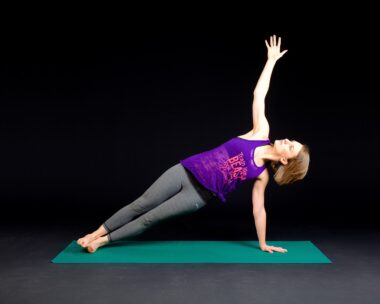
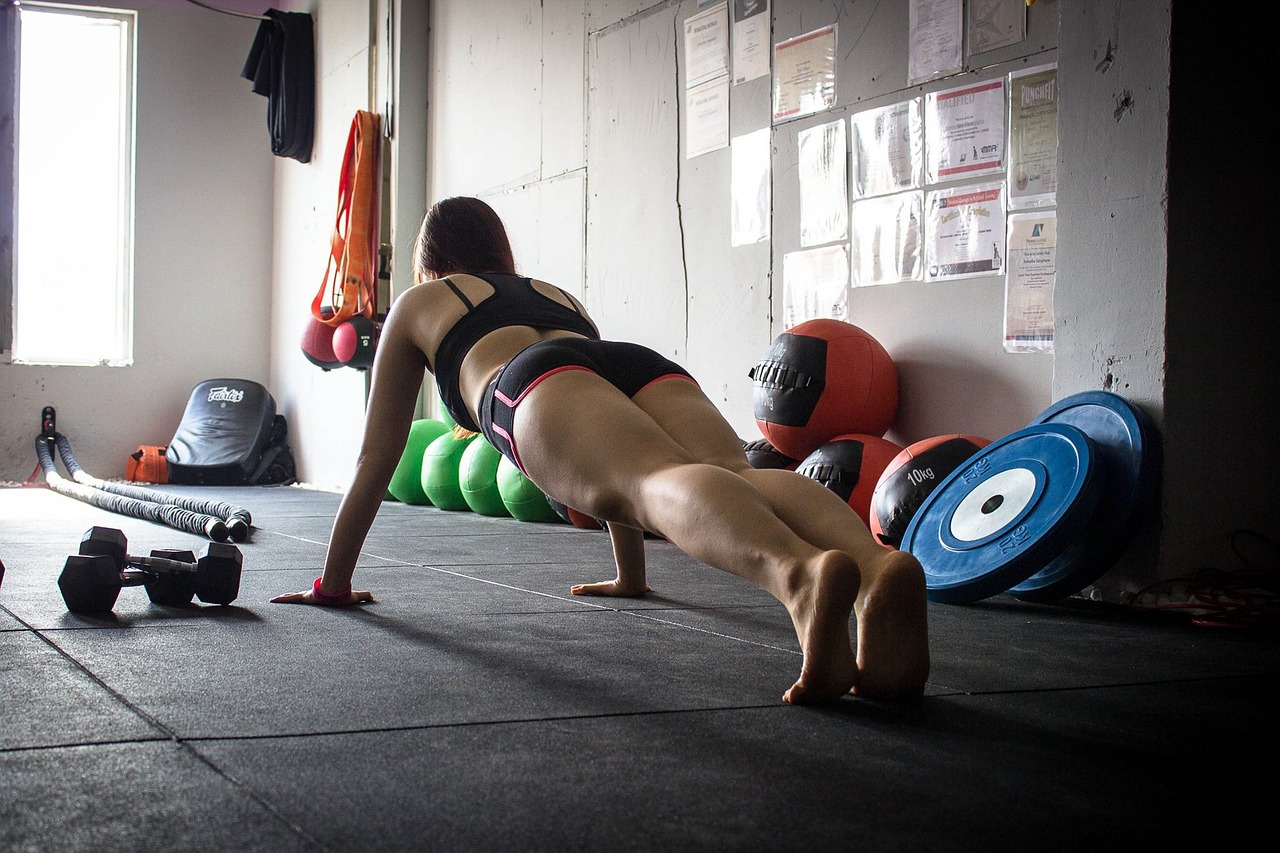
Starting your fitness journey with the right exercises can transform your core strength significantly. Here are some essential isometric core exercises that beginners can easily incorporate. The first exercise is the plank, which effectively targets the entire core. To perform this exercise, lie face down and lift your body on your forearms and toes, maintaining a straight line from head to heels. Hold this position while engaging your core. Another excellent exercise is the side plank, ideal for targeting oblique muscles. Start from a side position, balancing on one forearm and the side of your foot, and hold this position. Additionally, you can practice the hollow body hold by lying on your back and lifting your legs and shoulders off the ground. Focus on arching your back slightly while engaging your core. Bridge holds are also beneficial, where you lift your hips while lying on your back, forming a straight line from knees to shoulders. These exercises only require your body weight and can be easily modified as you progress in your fitness journey.
To progress safely in your isometric core workout routine, it’s essential to implement gradual changes. Start with shorter hold durations, around 15 seconds, and gradually increase your time to 30 or 60 seconds as your strength improves. Always listen to your body, and make sure to rest if you feel any strain. Incorporate a structured workout schedule, perhaps practicing these isometric exercises two to three times each week. The frequency ensures consistent improvement while allowing adequate recovery time. It’s also smart to combine these core exercises with full-body strength training and cardiovascular workouts for balanced fitness. Consistency will yield visible results, enabling you to notice your core developing strength and endurance. As you grow more confident, consider exploring other variations of these exercises for a broader challenge. For example, adding leg lifts during a plank or incorporating dynamic movement into your side plank. Stay patient with your progress. Maintaining your focus on form and technique will lead to greater success long-term. Additionally, it might be beneficial to keep a journal tracking your workouts and improvements.
Incorporating Breathing Techniques
Breathing plays a critical role in enhancing the effectiveness of your isometric core exercises. Proper breathing improves core engagement and provides stability during holds. As you perform isometric exercises, practice inhaling deeply before you begin. As you transition into the exercise, exhale slowly while maintaining the hold. This helps activate deeper core muscles, maximizing the benefits of each movement. Focus on diaphragmatic breathing, where the abdomen expands during inhalation, allowing for a fuller breath. Controlled breathing is particularly crucial during more challenging holds, helping to maintain concentration and manage any discomfort. Additionally, consistent breath patterns can reduce muscle tension, making it easier to hold positions for the desired duration. During your routine, if you feel light-headed or overly fatigued, take a moment to pause and reset your breathing before continuing. By incorporating effective breath control, you not only enhance your workout experience but also contribute to overall stress reduction. Combining breathing techniques with your isometric core exercises bolsters focus and efficacy, giving you a well-rounded training session.”},{
In conclusion, integrating isometric core exercises into your fitness routine is an excellent choice for any beginner. These exercises promote stability, strength, and proper muscle engagement, all while being safe and accessible. As outlined in the previous sections, essential movements like planks and side planks can help build a strong foundation for your core. Remember to adjust the duration and intensity of each exercise according to your capabilities. Consistently practicing these exercises will lead to noticeable improvements over time. Keep challenging yourself and consider exploring additional variations to keep your workouts fresh. Staying patient with progress is essential. Fitness is a journey requiring time and dedication. As you develop your isometric core exercises, also remember to include a well-rounded routine that emphasizes cardiovascular health and overall strength. By combining different fitness modalities, you can achieve better results. Additionally, consider consulting with a fitness professional if you’re uncertain on technique or need personalized guidance. Most importantly, enjoy the process of strengthening your core and appreciate every step you take towards better health.”}]} } } } } } } } } } } } } } } } }, }, }, }, }, } } } } } }, }, , } } } } } } } } } } }, }, } } } } }, } } } } } } }, }, } } } } } } } } }, } } } } }, }, } } } } } }, } } } } }, }, } } } } } } } }, }, } } } } }, } } } } }, }, }, }, }, ]} } } } } } }, }, }, }, }, }, } } }, } } }, } } } }, }, }, }, }, } } } } }, } } } } } } } }, } } } } } } } } } ];
Tips for Safe Practicing of Isometric Exercises
When starting any new exercise routine, especially involving isometric exercises, it’s crucial to prioritize safety and effective practices both for performance and results. Always begin any workout with a brief warm-up to prepare your muscles and joints. This gets blood flowing and continuously shortens the risk of strain or injury. Educate yourself on the correct postures required for each exercise. Misalignment can not only lead to discomfort but also counteract the benefits intended through proper performance. While you practice, stay attuned to how your body responds, and if you feel pain beyond traditional muscle fatigue, stop and reassess your technique. As you grow accustomed to your routine, consider keeping a varied program that introduces slight modifications over time. This makes the workout interesting while continuing to build strength and encourages muscle adaptation. Lastly, balance your core exercises with other forms of fitness, which can round out your progress and condition your entire body effectively. Reducing the frequency or duration can help on days when your body feels fatigued. These tips will help you navigate your way through a successful training journey.”}]} } } }, }, } }, }, }, }, } }, }, }, }, }; } } } } }, } } } }, } } }, }, }, }, }, }, } } } } }, }, } } }, }, }, }, }, }, } } } }, }, } } } } }, }, } } }, }, } }] } } } } }, }, } } } } }, } } }; } } } } } } }, }, } } } } } }, }, } } } } }, }, }, } } }, }, } } }, }, }, }, }, }, } } } } }, }, ]} } } } }, } } }} } }, }, } }, }, }, } } } } } ]} } } } } }, }, } }, }, } } }, } } } } } } } }} ]} } }, } }, } }, } }, }, }, } }, }, }, } } } } }, } } } } } } } }, ]} } } } } }, }, ]} } } } } } } }, } }, } }, } }, }, } } }, ]}} } } } } } } } } }, } } } } }, }} } }, } } } }, }, } }, }, } } }, }, } }, }, }, } } } } }, } } } } )} }, ] } } } } } } } } } }, } } } } }, } } } } )}.} } } } }, ]}} }}} ]} } } }, } } } } } } } }) } )} } } } } } } } } } } } } } } } } .} }, } } } } } }, } } } } } } } } } } } } } } } } }, } } } } } } } } } } . . . . . . . . . . . } } } } } . . .)}` } } } } } } } }} , } } } } } } } } } } . . . . . . . . . . . . . ) } } } } } }]} ]} } } } } . . . . . . . . . . . . . } } } } } } } } } } } } } } } . . . . } } } } . . . . . . ))) ))) )) . . . . . . . . . . } })} } } } } ). . . . . . } } } } } . . . })} } } } } } } } } } }}} . . . , . . . . . . . } } } } } } . . . . . . } } } } . . . . . . . . . . } }}} } )}! } , . . . . . .} } } } } } } . } } } } } } } } } } .! } . . . } } } } } } !! ) } } } } })})) } }}} ]} . . . . . . . . . . } } } } } }}} . } } } } } } } } } }}} . . . . . . . . . . } } } } } } } } } } . . . . . . } )} . . } } .}} . . } }}} ]} } } } } . . . . . . . . . . } } } } } . . . }. . } } } } } } } } } . . . . . .} } . . . . . . } } } . . . . . . . } } } } } } } } . . . . . . . } . . . . . . . . . } } } . } . . . . } } } } . . . . . . . . } } } }}} } } . . . . . . . . . . уу ! . . . . . . . . . . . } . . . . . . . } } } } } } . } } } } . . . . } } . } . . . . . . . . . . . 0 . . . . . } } } } } } . . . . . . . . . . } } }}} . . . . . . . . . . } } . . } } . . . }} }}}} . . . ., } } } } .} . } . . } . . . . . . . .} . . } } } } } } } } } }}} } } } } . . . . . . . . . . } } } . . . . . } } . } . . . . . . . . } . . . . . . . . . .} . . . . . . . . . .} . . . . . . . . . } . . } } . . . . . . . . . } . . . } . . . . } } } } } } . . . . . . . . . .} . . . . . . . . . . . }} . } } } . . . . . . . . . .} . . .} .}. . . . .}} . . } } } } . . . . . . } . . } . } . } } } . . . . . . . . . . . . . .} }} . . . . . . . . . . . . . . . . . } . . . } . . . . } } . . . . . } } . . . } } .} . . } .)}} . . } . } . .}} . . } . } . } } . . . . . . . . . . . . . . . . . . . } . . . . . . . .}} . . } . . . } . . . . . } } . . . . . } .}} . .} }}} . . . . . . } . .}]} }); } }} } . . . . . . . . .}} . . . . } }} . . } }}} } . . . . } . } . } . . . } }}} . } } } } . . . . .}} . } } } . . } . . . } }}} . } } } } . . . .}) }} .}} }; .
Conclusion: Building a Strong Core
As we wrap up this beginner’s guide, it’s essential to recognize the importance of core strengthening through isometric exercises. You have learned about valuable routines that can significantly improve your core strength. Incorporating these exercises into your weekly fitness regime benefits not only your core but also your entire body. Remember to enjoy the fitness journey; take your time and avoid any rush in progress. A strong core translates to better performance in various physical activities and everyday tasks, enhancing your overall quality of life. Enter each session focused on your form and breathing patterns, ensuring your utmost safety and effectiveness. As you become more comfortable, increasing your hold times can yield even greater results. Additionally, consider integrating other training styles, such as dynamic exercises, to complement your isometric routine. Fitness is not a one-size-fits-all journey. Everyone’s body adapts differently, so tailor your approach to meet your needs. Never hesitate to seek guidance from professionals when unsure. With commitment and perseverance, building a strong core is not just an exercise routine; it becomes a vital part of your lifestyle.