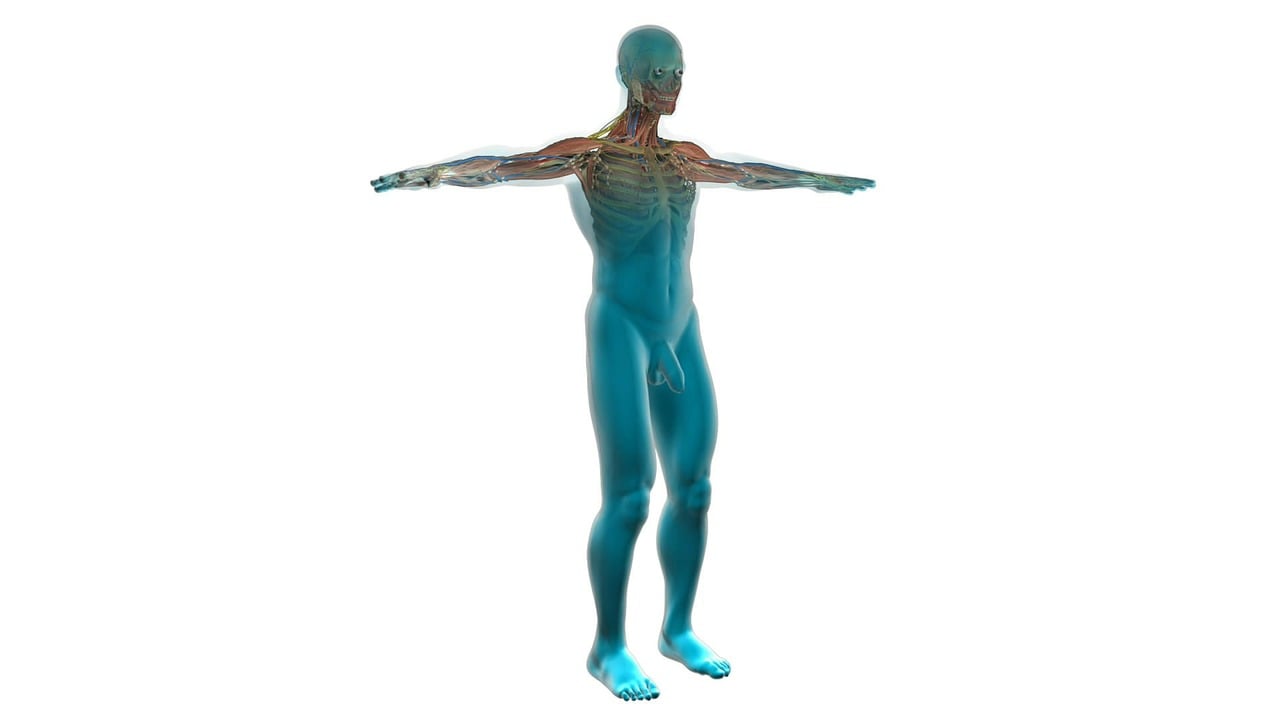

How Emotional Stress Affects the Cardiovascular System
The mind-body connection significantly influences the cardiovascular system, particularly through the impact of emotional stress. Emotional stress can lead to physiological changes that affect heart function. When a person experiences stress, the sympathetic nervous system triggers the release of hormones like adrenaline and cortisol. These hormones increase heart rate and blood pressure, prompting the heart to work harder. This reaction is part of the body’s ‘‘fight-or-flight’’ response, evolutionary and vital for survival. However, chronic stress can lead to long-term consequences for cardiovascular health, such as hypertension, heart attacks, and strokes. This manifests especially in individuals who have pre-existing heart conditions. Understanding the connection between emotional health and heart health can help promote healthier lifestyles. Incorporating stress management techniques can reduce the burden on the heart. Activities such as yoga, meditation, and mindfulness can enhance emotional well-being, providing an avenue to mitigate stress. Individuals must prioritize mental health to support their cardiovascular systems. Increasing awareness of this interconnection is essential. It empowers individuals to make informed health choices, ultimately enhancing overall health and longevity.
The relationship between stress and the cardiovascular system is multifaceted. It includes both physiological and psychological components contributing to overall heart health. When someone is under emotional distress, the body’s response to perceived threats can be detrimental to the heart. Studies show that stress can lead to inflammation, significantly impacting cardiovascular health. This inflammation is often caused by the release of certain chemicals in the body that can damage blood vessels. Additionally, stress has been linked to poor lifestyle choices like unhealthy eating and lack of exercise. Specifically, individuals may turn to high-sugar foods or alcohol as coping mechanisms, further harming their cardiovascular systems. Therefore, reducing stress is integral to improving heart health. Engaging in self-care practices, such as exercise, is crucial. Regular physical activity can counteract the effects of stress, strengthen the heart, and improve mood. Furthermore, a supportive social network aids in managing stress levels. Discussing emotions and experiences with friends or family can alleviate stress. Therefore, it is vital to approach cardiovascular health holistically, considering both emotional management and physical well-being.
Impact of Chronic Stress
Chronic stress can be particularly detrimental to cardiovascular health. Unlike acute stress, which is usually short-lived, chronic stress persists over time, leading to prolonged exposure to stress hormones. This continuous secretion can cause various health issues, including heart disease, elevated blood pressure, and increased heart rate. People often develop unhealthy coping mechanisms under chronic stress, which exacerbates the risks. Lack of exercise and unhealthy eating habits become common, leading to obesity and other cardiovascular risks. Research indicates that individuals experiencing high levels of stress are more likely to develop conditions like atherosclerosis, where plaque builds up in the arteries. This can lead to serious events, such as heart attacks. Furthermore, chronic stress can affect sleep patterns, contributing to fatigue and resulting in decreased motivation to prioritize health. Recognizing these risks is essential for individuals. Stress management tools and lifestyle adjustments play a vital role in combating the negative effects of stress on heart health. Approaches like therapy, relaxation exercises, and proper nutrition can provide substantial benefits. Managing chronic stress thus becomes a necessity for sustaining cardiovascular health.
Understanding the psychological factors contributing to stress is essential to addressing its effects on cardiovascular health. When one experiences emotional turmoil, the heart is not just a passive victim but actively responds. This interaction emphasizes the mind-body connection in health. Psychological factors like anxiety and depression can increase the likelihood of heart disease. Individuals with these conditions often exhibit increased inflammation and hormonal responses that can severely compromise heart function over time. Moreover, feelings of isolation can accompany these psychological states, further impacting emotional wellbeing. Social support systems can serve as protective factors against stress. Engaging with friends or support groups fosters resilience and mitigates feelings of loneliness. Additionally, seeking professional psychological help can facilitate coping mechanisms that support heart health. Cognitive Behavioral Therapy (CBT), for instance, equips individuals with tools to manage their emotional responses to stress. Implementing these therapeutic strategies can enhance quality of life and improve cardiovascular functioning. Therefore, recognizing the psychological dimensions of stress is vital for fostering adequate health practices that encompass emotional and physical wellness.
Healthy Lifestyle Choices
Healthy lifestyle choices significantly impact cardiovascular health, especially in managing the effects of stress. Integrating regular exercise into daily routines is vital. Physical activity enhances mood, reduces anxiety, and lowers stress levels. Exercise stimulates the production of endorphins, which are natural mood lifters. Furthermore, maintaining a balanced and nutritious diet is equally important in mitigating stress. Foods rich in omega-3 fatty acids, fiber, and antioxidants are beneficial for heart health. They help in reducing inflammation and managing cholesterol levels. Additionally, prioritizing quality sleep is crucial for emotional regulation. Insufficient sleep can amplify stress levels, creating a cycle of elevated heart risk factors. Therefore, fostering good sleep hygiene practices helps enhance both mental and cardiovascular health. Beyond these choices, engaging in mindful practices such as yoga and meditation helps cultivate a sense of calm and balance. These practices lower cortisol levels and contribute positively to heart health. Overall, the integration of healthy lifestyles creates synergistic effects on stress reduction, promoting long-term cardiovascular wellness and emotional well-being.
Community engagement plays a significant role in managing stress and supporting cardiovascular health. Connecting with others allows individuals to share experiences and feel more understood. Participating in social activities can distract from stressors, fostering a sense of belonging and purpose. Local community groups often provide resources for individuals looking to improve their emotional and physical health. Activities such as group exercise classes, cooking classes, or health workshops enable participants to learn valuable skills while enhancing social bonds. Additionally, volunteer work can provide a sense of accomplishment and fulfillment, reducing stress and anxiety. Furthermore, workplace environments that promote mental health awareness can positively impact employees’ cardiovascular health. Implementing policies that encourage work-life balance, stress management workshops, and employee assistance programs is crucial. Such initiatives create supportive environments, helping employees manage stress effectively. Raising awareness about the mind-body connection within communities can empower individuals to prioritize their health. Community resources, such as mental health support, can play a pivotal role in shaping healthier lives. When communities focus on emotional well-being, they also foster better heart health for the individuals within them.
The Path Forward
To navigate the complex interactions between emotional stress and cardiovascular health, steps must be taken at both individual and societal levels. Initiatives aimed at promoting mental health awareness can significantly reduce the stigma associated with seeking help. Education on stress management techniques is crucial in improving public understanding. Individuals should be encouraged to adopt proactive measures for both mental and cardiovascular health. This includes regular health check-ups, engaging in heart-healthy activities, and prioritizing emotional well-being. Initiatives such as workplace health programs can encourage physical activity and mental health awareness, fostering positive environments. Schools must also integrate mental health education into curricula. Teaching children coping mechanisms early on prepares them for the stresses of life and their impact on health. Finally, continuous research must be conducted to explore this connection further. Understanding the nuances behind the mind-body link will enable better prevention strategies for cardiovascular diseases. Collaborative efforts between healthcare providers, policymakers, and communities will pave the way for healthier individuals. By addressing both the emotional and physical aspects of health, individuals will be better equipped to tackle stress and safeguard their cardiovascular systems.