
Common Mistakes in Clean and Jerk and How to Fix Them
The Clean and Jerk is one of the most complex and demanding lifts in weightlifting. Many athletes mistakenly underestimate its intricacies and, as a result, fall into common pitfalls that hinder their progress. Understanding your body position and movement execution is vital. One prevalent mistake is the initial pull. Lifters often pull the bar too far away, leading to a compromised position. To prevent this, maintain a close contact with the bar as you lift it from the ground. Keeping the bar as close as possible to your shins will ensure your center of gravity is in the correct position, allowing for a smoother transition into the next phase of the lift. Another common issue is the dip and drive phase. Many will have a shallow dip, making it difficult to generate power. To improve, practice your dip by ensuring it is deep enough so that you can explode from your legs. This preparation in technique aligns with proper strength, contributing to a more efficient clean and jerk. Focused practice can lead to significant improvements in your overall lift, enhancing performance.
Foot Placement and Stability in the Clean and Jerk
Foot placement plays a critical role in the success of the Clean and Jerk. A frequent mistake lifters make is inconsistent foot positioning during the lift. Proper setup begins with your feet shoulder-width apart. Many lifters tend to place their feet too wide, which complicates the catch and recovery phases. To correct this error, practice drills emphasizing correct foot placement to stabilize your lift. By establishing a solid base, you’ll convert more energy from your legs into upward thrust, leading to successful lifts. Additionally, maintain your weight centered over your feet throughout the movement. A common issue is letting the weight shift too far forward or backward, affecting balance. Focus on keeping your heels down and pressing into the floor to stabilize your body during the lift. Small adjustments in stance can make all the difference. Incorporating stability exercises, like ankle mobility drills, can further improve your foot position and increase your lifting efficiency. Ultimately, a solid foot placement enhances control, allowing athletes to perform better and lift heavier weights, leading to greater confidence in competition.
Another key aspect to consider is mastering the transition phase between the clean and jerk. Many athletes tend to lose their focus, leading to sloppy movements. One common mistake is not resetting your grip on the bar between lifts. Practicing the jerk immediately after the clean without regaining a solid grip can result in improper execution. Ensure that you pause slightly after completing the clean to take a deep breath and re-establish your grip. This moment allows you to find your balance before moving into the jerk portion. Additionally, many lifters neglect the importance of keeping their elbows high during the clean. Dropping the elbows can lead to instability when the bar is overhead. To fix this, practice high elbow positions during cleans through drills, using lighter weights to hone your technique. Correcting these mistakes during the transition phase is crucial to improving your overall performance. Pay attention to these details, and you’re likely to see improvements not just in your lift but also in your confidence and execution in a competitive setting.
Ensuring Proper Breathing Techniques
Breathing techniques are often overlooked in weightlifting, but they play a significant role in enhancing performance during the Clean and Jerk. One common error is shallow breathing which can cause athletes to feel fatigued rapidly. It is essential to practice diaphragmatic breathing before initiating the lift to ensure your core is braced properly. This solid core stabilizes your body, allowing for a more powerful lift. Focus on inhaling deeply just before the lift and exhaling as you push the weight overhead. This breathing rhythm aids in maintaining control while handling heavy weights. Moreover, many lifters forget to manage their breath during the jerk. An abrupt inhale or exhale can throw off timing and balance, so consistency is key. Exercises that combine breath control during lifting can help instill good practices. Setup drills simulating the Clean and Jerk in a slow-motion format allows the incorporation of focused breath work that establishes a rhythm. These practices empower athletes to execute more effectively under pressure, providing the necessary oxygen to fuel their strength during competition.
Emphasizing the importance of shoulder positioning is vital when performing clean and jerk lifts. A mistake many lifters make is allowing their shoulders to relax, which can lead to a poor catch position. It’s crucial that the shoulders remain engaged and elevated, particularly during the clean phase. Focus on active shoulders by drawing them upward as you transition from the pull to the catch. This engagement leads to greater stability and enhances the lift’s success. Many athletes also neglect shoulder mobility exercises in their training. Investing time in shoulder mobility can unlock more significant movement patterns, making the Clean and Jerk smoother and more efficient. Incorporate mobility drills like banded distractions and overhead stretches before workout sessions to prepare your shoulders properly. An efficient warm-up routine can lead to enhanced range of motion and reduced injury risk. Additionally, implementing accessory lifts focusing on shoulder strength will bolster your ability to maintain proper alignment during cleans and jerks. Overall, nurturing shoulder position plays a critical role in ensuring a successful lift and forging a well-rounded weightlifting technique.
Improving Overhead Stability
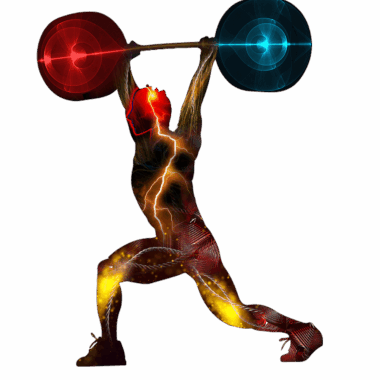
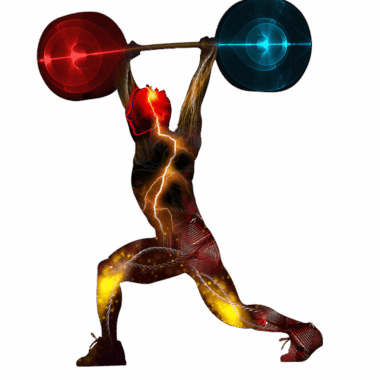
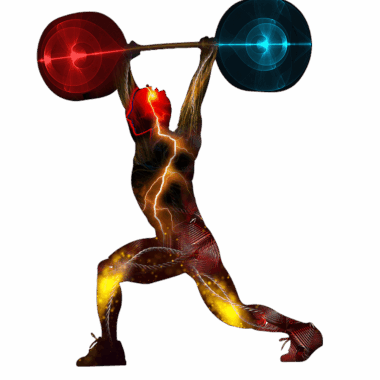
Overhead stability is a fundamental aspect that greatly affects the Clean and Jerk. Lifters often struggle with maintaining a solid lockout position, which can lead to missed lifts. A common mistake is not having an adequate grip width on the bar. Athletes may grip the bar too narrow or excessively wide, which compromises strength when pressing overhead. It is essential to find a comfortable, strength-focused grip that allows for maximum transfer of power. Practice barbell overhead holds and press technique drills to foster stability and strength at this phase of the lift. Additionally, focusing on moving under the bar faster during the jerk can optimize your performance. The tendency for lifters to wait too long before dropping into the split position can lead to loss of proper technique and strength. To improve speed time, engage drills that refine your footwork and timing, ensuring you catch the bar firmly overhead. Overall, developing a consistent routine and identifying common mistakes will enhance your lifting performances, leading to successful outcomes while preventing potential injuries in the long term.
The role of mental preparation is often overlooked, yet it’s critical for mastering the Clean and Jerk. Many lifters let anxiety and stress affect their performance. Visualization techniques can effectively overcome these challenges. Picture yourself performing the Clean and Jerk flawlessly; this mental practice can translate to improved physical results. Furthermore, developing a pre-lift routine can create a sense of safety and familiarity, enhancing focus. It can contain elements like breathing exercises or affirmations to reinforce confidence before stepping onto the platform. Additionally, practicing resilience in training can prepare athletes for potential failures during lifts. Acknowledging that mistakes will happen during training is vital for personal growth and development. Adopting a constructive mindset can significantly impact your lifting journey. Learning to process mistakes and adjust your technique leads to improved performance over time. Consider journaling your lifts, noting what went well and what needs improvement. Reflection and awareness promote continuous learning, ensuring you’re always evolving as an athlete. Ultimately, the psychological aspect interplays closely with physical technique, making it essential to cultivate a balance between both.