
Weighted Core Workouts for Athletes: Sport-Specific Training
Weighted core workouts are essential for athletes who want to enhance their performance in their respective sports. A strong core stabilizes the body, improves posture, and allows for the effective transfer of energy during movements. Whether you’re a football player, a runner, or a gymnast, cultivating a powerful core can lead to improved agility and strength. Weighted exercises target the major muscles of your abdomen, back, and obliques, allowing for better function and efficiency. Incorporating weights while performing these core exercises adds intensity, leading to greater muscle activation and higher calorie burn. Athletes need a robust foundation to perform at their peak levels, and weighted core workouts provide this necessary strength. Proper form must be maintained to prevent injuries while maximizing the effectiveness of each motion. Successful integration of these workouts includes various equipment—from dumbbells to kettlebells, giving flexibility in training routines. Always ensure to perform exercises under the guidance of a qualified trainer when starting any new fitness regimen to ensure safety and effectiveness in achieving performance goals.
One effective weighted core workout for athletes is the Russian Twist, which works the oblique muscles. By holding a weight, such as a medicine ball, you can perform a torso rotation. This movement brings focus to the abdominal muscles while engaging the entire core. To execute it, sit on the floor with your knees bent. Lean back slightly to engage your core, and hold your chosen weight with both hands. Rotate your torso to one side and then the other, rotating fully to maximize muscle activation. Gradually increase the weight as you progress through your training to keep challenging your muscles and improving strength. The Russian Twist is not only effective but also adaptable to different fitness levels, making it perfect for athletes across various sports. Incorporating this exercise into a core workout plan can greatly enhance balance and coordination. Aim to perform three sets of twelve to fifteen repetitions on each side for substantial gains. If you’re looking for variety, consider augmenting this exercise by elevating your feet off the ground for an added challenge.
The Importance of Planks in Core Training
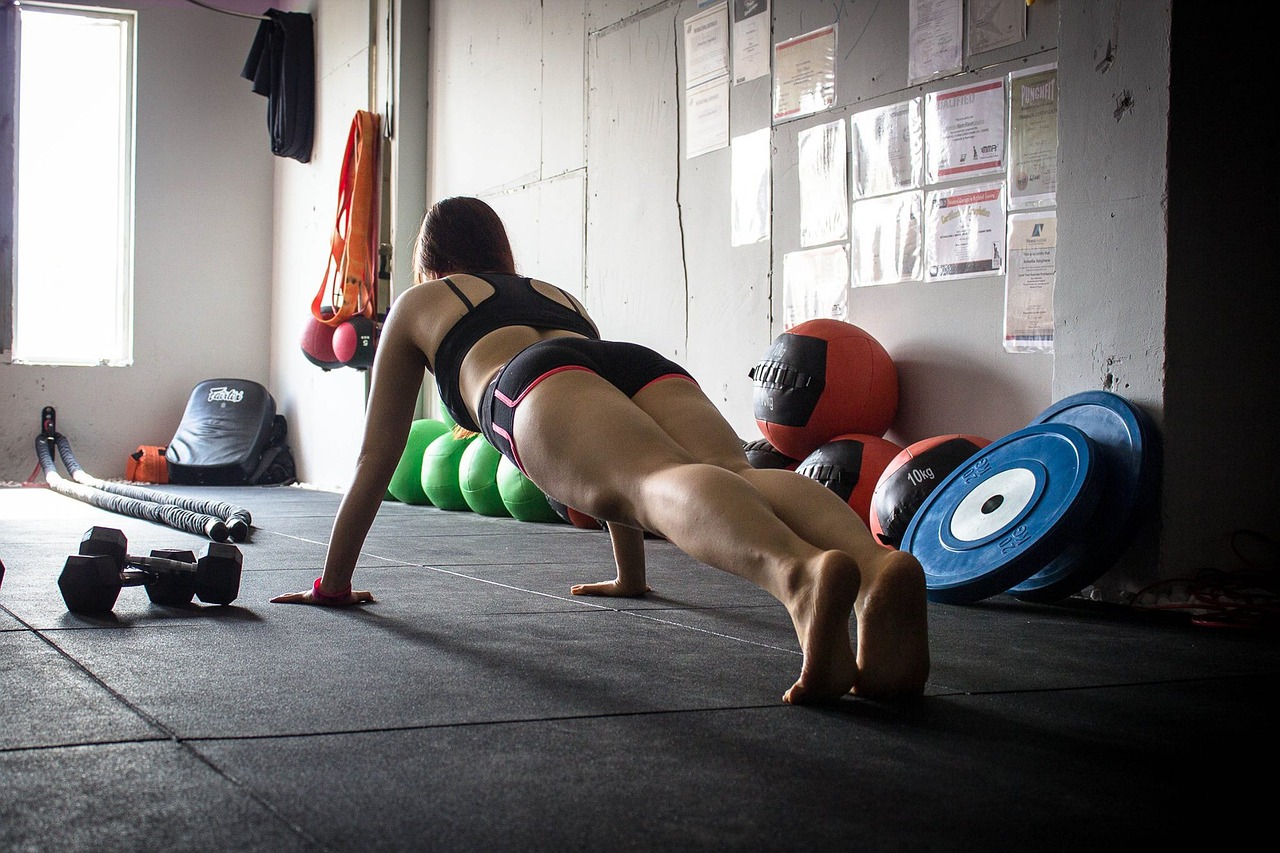
Planks are considered one of the most effective weighted core workouts. Adding weights to traditional planks increases the muscle strain on the core, leading to better overall strength. Begin by assuming a plank position with your forearms on the ground and feet shoulder-width apart. Once stable, you can add a weight plate on your back, making sure someone assists in placing it correctly. Keep your body straight and your core engaged throughout the exercise duration. Start with holding the plank without weights to build foundational strength before progressing. Gradually increase the weight as your strength improves, aiming for longer durations to enhance endurance. Planks not only target your abdominal muscles but also engage the back, shoulders, and glutes, promoting overall stability. Highlighting isometric strength, this exercise trains the muscles to hold positions under tension, significantly benefiting athletic performance. Integrating weighted planks into a workout regimen at least twice a week can lead to striking improvements in power and posture, integral components for any sport.
Another valuable exercise for athletes is the Weighted Dead Bug. This movement increases stability while targeting the abdominal muscles effectively. To begin, lie flat on your back with your knees bent at a ninety-degree angle and arms extended upwards, holding weights. Lower one arm and the opposite leg toward the ground, ensuring to maintain control throughout the movement. Engage your core to prevent your lower back from arching. Return to the starting position and repeat with the opposite limbs. This exercise mimics the movements required in many sports and helps athletes learn how to stabilize their core while maintaining leg and arm movement. It is crucial to perform this with lighter weights initially to ensure proper technique. Adding weight can help ensure greater muscle growth and stability as you advance. Complete about three sets of twelve to fifteen repetitions on each side for effective training. By regularly incorporating the Weighted Dead Bug into your core training routine, athletes can significantly improve their overall physical performance.
Benefits of Weighted Sit-Ups
Weighted sit-ups are another excellent addition to an athlete’s core training program. Enhancing traditional sit-ups by adding weights increases the intensity of the exercise, leading to more significant strength gains. To perform a weighted sit-up, lie on your back with your knees bent and feet flat on the ground. Hold a weight plate or dumbbell across your chest with both hands. As you sit up, focus on using your core muscles rather than relying on momentum. Ensure to lower yourself back down slowly, maintaining control throughout. Progressing with weights will enhance the challenge as your strength increases. This exercise targets not just the upper abs but engages the entire core effectively, making it suitable for athletes in all sports. Aim for three sets of ten to twelve repetitions, and modify weights to suit your fitness level. Remember to pair these workouts with lower back-strengthening exercises as well, ensuring a balanced workout regimen that helps prevent injuries, especially for athletes who heavily engage their core.
The Side Plank with Weight is an effective way to target the obliques, crucial for athletic performance. Begin in a side plank position on one forearm, ensuring your body remains in a straight line. Add a dumbbell to your top arm, holding it straight above your body. This not only challenges your core strength but also your shoulder stability. Maintain this position for set intervals, aiming to build up to longer holds as you develop strength. This exercise requires intense focus and control to prevent sagging in the hips. Two to three sets of thirty seconds to one minute on each side can yield excellent results. Variations include raising the top leg or integrating hip dips for further core engagement. The Side Plank with Weight can be particularly beneficial for athletes in sports where lateral movements are essential. Reinforcing the oblique muscles can profoundly improve athletic performance and reduce injury risk. Implementing these workouts into a training schedule can foster overall physical development and boost game-time performance.
Conclusion: Building a Strong Core for Enhanced Athletic Performance
In conclusion, weighted core workouts play a vital role in enhancing athletic performance across various sports. By integrating exercises such as Russian Twists, Weighted Planks, Dead Bugs, Weighted Sit-Ups, and Side Planks into a fitness regimen, athletes can develop robust core stability, which translates into better strength, balance, and agility. These workouts not only engage multiple muscle groups but also promote overall movement efficiency. Maintaining a strong core is essential for preventing injuries during athletic activities, as well as improving posture and posture awareness. A commitment to incorporating these exercises consistently within a training program can significantly elevate an athlete’s skillset and competitive edge. Always remember to consult with a fitness professional to ensure proper form and technique while performing weighted exercises. This guidance will help ensure maximum benefit from your workouts while minimizing injury risk. Whether training for a specific sport or overall fitness, focusing on core strength is undeniably key for any athlete. Embrace the challenge of weighted core workouts to unlock your athletic potential.
In addition to weighted workouts, it’s crucial to combine them with proper nutrition and recovery strategies to yield the best results. Nutrition plays a significant role in muscle recovery, ensuring that your core muscles receive the necessary nutrients to rebuild and strengthen after intense workouts. Incorporate protein-rich foods and healthy carbohydrates to fuel and replenish your body. Staying hydrated is equally important to support muscle function and overall performance. Recovery practices, such as stretching and foam rolling, are essential for maintaining flexibility and preventing stiffness in the core muscles. Scheduling regular rest days in your training allows the body ample time to recover and adapt. Athletes should pay attention to how their body responds to workout intensity and adjust their training accordingly. Look for signs of overtraining, like fatigue or decreased performance, which might signal a need for a change in workout intensity or frequency. Ultimately, a balanced approach that includes weighted core workouts, optimal nutrition, and recovery is the best strategy for maximizing athletic performance.