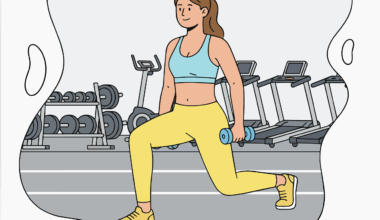

Understanding Contraindications to Exercise During Pregnancy
When it comes to exercising during pregnancy, understanding contraindications is crucial for safety. Not all women experience the same conditions or challenges, so recognizing what constitutes a health risk is essential. Certain factors can lead to complications, making it imperative to consult with a healthcare provider before commencing a workout routine. First and foremost, any existing health conditions should be evaluated. Serious issues like high blood pressure or pre-existing diabetes could potentially worsen with physical exertion. Additionally, women with a history of premature labor or miscarriage may also be advised to avoid certain activities. Every pregnancy is unique, and what works for one might not be suitable for another. Your doctor will consider personal medical history before suggesting workouts. Furthermore, extreme fatigue, severe headaches, or shortness of breath can indicate that you should refrain from exercise. Listening to your body is vital; if you feel any unusual symptoms post-exercise, it’s best to report them immediately. The goal is to maintain health and wellness, ensuring that both mother and baby stay safe and healthy throughout the pregnancy journey. A well-informed approach will lead to better outcomes during this essential time.
Safety during prenatal workouts requires a cautious mindset. While staying active is recommended for many pregnant women, some practices involve certain precautions. Engaging in high-impact or high-risk sports can elevate the chances of injury and should generally be avoided. Activities like kickboxing or contact sports pose significant risks. Women should prioritize lower-risk exercises like swimming, walking, or stationary cycling instead. These options offer the benefits of cardiovascular health while minimizing impact on joints and ligaments that are sensitive during pregnancy. Additionally, careful attention should be given to the environment where exercise takes place. Staying well-hydrated is paramount, particularly when exercising outdoors. Furthermore, varying levels of fatigue, heat sensitivity, and balance issues may arise due to hormonal changes. Women should always be vigilant and adapt their workout routines accordingly. Necessary adaptations might include altering intensity or duration based on how they feel each day. Always engage in gentle stretches to reduce injury risk during warm-ups and cool-downs. Prioritizing safety at all times is essential for effective prenatal exercise, ultimately promoting both the mother’s and baby’s well-being throughout the pregnancy.
Recognizing Warning Signs
During any physical activity, understanding warning signs can help in making timely adjustments. Many women overlook symptoms that could indicate a need to stop exercising. It’s vital to remain aware of what’s happening in your body during workouts. Seek immediate medical attention if you experience any severe symptoms, such as vaginal bleeding, sudden swelling in limbs, or persistent headaches. These signs could signal complications that require urgent assessments. Other warning signs include diminished fetal movements, dizziness, or chest pain. Pregnant women should take these symptoms seriously, as they may signify jeopardized health. Moreover, if the mother experiences contractions while working out, she should cease the activity immediately and consult a healthcare professional. It’s also essential to avoid overexertion; pushing too hard can lead to increased fatigue or stress for both mother and child. Recognizing one’s limits and respecting them can ensure a healthier pregnancy experience. Regular check-ins with a medical professional can only add to the reassurance, assisting in identifying what is safe and appropriate. Each step towards ensuring safety during workouts is a step towards promoting overall health for both mother and baby.
The type of exercise chosen plays an important role in prenatal fitness and health. Low-impact activities are typically ideal during pregnancy, reducing the risk of injury significantly. Prenatal yoga and modified pilates provide excellent options, promoting flexibility, strength, and relaxation. These activities can help prepare a woman’s body for labor while also easing pregnancy-related discomforts. It’s important to incorporate breathing techniques learned in these sessions, which can be tremendously helpful during delivery. However, some traditional workout techniques may need to be altered or avoided altogether. For instance, many poses that require lying flat on the back should be modified, especially in the later stages of pregnancy. With changing body shapes and sizes, balance might also become a concern. Therefore, opting for support, such as chairs or walls, can provide stability. Additionally, always focus on having a solid warm-up and cool-down routine. A moderately paced walk can elegantly transition into any workout, further ensuring muscle readiness. Ultimately, choosing appropriate exercises while understanding limitations will enhance overall experience and wellbeing during pregnancy.
The Importance of Professional Guidance
Seeking professional guidance is one quintessential way to enhance safety in prenatal exercise. Women should consult with certified trainers or physical therapists who specialize in prenatal fitness for optimal benefit. These professionals can tailor workout plans specifically to accommodate the changing body and individual health concerns. They have the knowledge to recommend suitable activities based on the unique needs of each pregnant woman’s journey. Moreover, their expertise allows for addressing any contraindications effectively, creating a balanced and safe workout environment. Many community centers offer prenatal fitness classes led by experienced instructors. These classes not only provide valuable information but also foster supportive communities among expectant mothers. Motivating one another can lead to increased accountability and encouragement. Regular monitoring can help track progress and ensure safety throughout the fitness journey. These experts can also offer valuable nutrition tips to support healthy weight gain during pregnancy. In today’s digital world, numerous online resources available also offer insightful advice on prenatal fitness. Leveraging professional insight will greatly aid in maintaining a healthy lifestyle while preparing for motherhood and making each exercise session beneficial and enjoyable.
During the later stages of pregnancy, understanding body signals becomes increasingly vital. As the abdomen expands, adjusting workouts to accommodate the growing belly is necessary. Many women find certain poses or exercises becoming uncomfortable or impractical. Avoiding activities that might cause falls or excessive strain should stay at the forefront of considerations. Engaging in gentle and restorative movements becomes super important at this juncture. Practices like deep breathing, stretching, and meditation can be effective in promoting relaxation. Always be attentive to energy levels; some days might feel more exhausting than others. Tailoring workouts accordingly can be a way to stay active without overexerting oneself. Also, consider the emotional aspect of exercising during pregnancy. It’s common to feel overwhelmed or anxious, and engaging in fitness can sometimes be a great mood booster. The endorphins released during workouts can enhance mental well-being. Always remember, however, that it’s crucial to pace yourself; pushing limits could lead to setbacks. Staying in tune with both physical and emotional needs will ultimately foster a positive fitness experience right until labor.
Conclusion: A Balanced Approach
Finding a balanced approach to prenatal workouts is crucial in ensuring safety and well-being for mothers and babies. Striking the right balance between staying active and respecting limitations leads to the best outcomes. It’s important to recognize that every woman’s pregnancy experience is unique. Approaching fitness with an understanding of contraindications will cultivate a safer environment for both mother and child. Ultimately, the emphasis should remain on creating a workout routine that is enjoyable, precautionary, and adaptable. Consulting healthcare professionals for personalized advice, being aware of warning signs, and listening to one’s body all contribute to a healthy pregnancy journey. Furthermore, surrounding oneself with a supportive community encourages accountability and continued motivation throughout the process. Physical activity should evolve into a source of empowerment, offering physical and mental benefits as women prepare for motherhood. Acknowledging the changes that come with pregnancy and navigating through them creatively will allow women to maintain healthy lifestyles. With thoughtful consideration, through safe prenatal routines, women can realize the joys of staying active, healthy, and preparing themselves for the incredible journey of motherhood.
In conclusion, the significance of understanding contraindications during exercise in pregnancy cannot be overstated. Expectant mothers must prioritize safety while remaining physically active. Consult healthcare providers to ensure a safe workout plan tailored to individual needs. Be mindful of warning signs, engage in low-impact activities, and embrace the support of professionals and fellow mothers. With a balanced and informed approach, women can enjoy the numerous benefits of prenatal fitness, contributing positively to their health and the health of their babies.