
The Role of Mind-Body Connection in Managing Anxiety Disorders
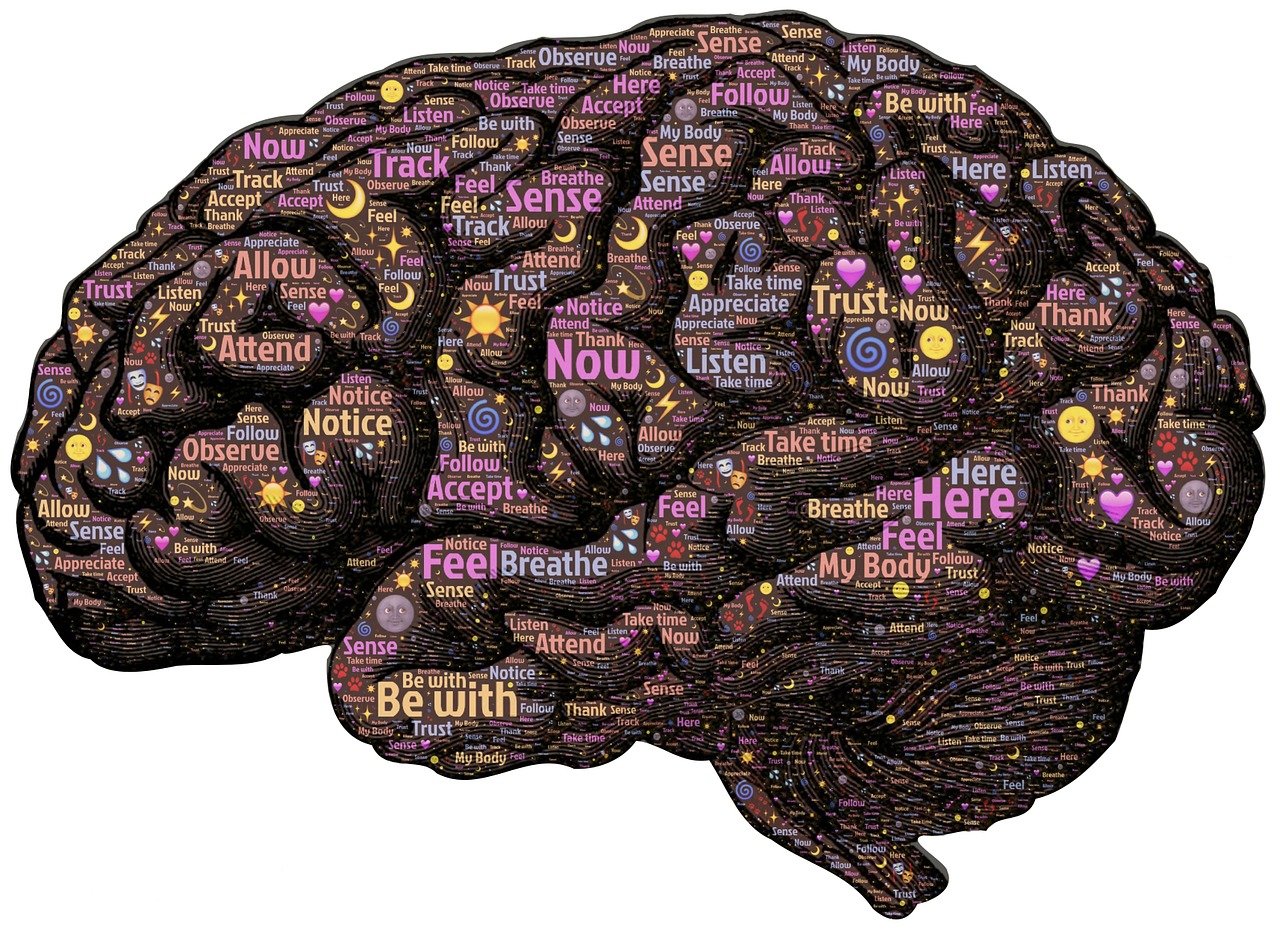
The concept of the mind-body connection plays a crucial role in managing anxiety disorders. It emphasizes the intimate relationship between mental states and physical health. Numerous studies indicate that mental health practitioners should consider this connection in their approach to treating anxiety. By recognizing how thoughts and feelings can impact the body, therapeutic practices can evolve. For instance, yoga, meditation, and mindfulness have gained prominence as effective tools. These practices promote relaxation, reduce stress, and foster an awareness of bodily sensations, helping individuals manage their anxiety symptoms. A comprehensive treatment plan often includes cognitive-behavioral therapy (CBT) techniques, coupled with these mind-body practices. The synergy between mental and physical activities helps to cultivate emotional resilience. Individuals learn to identify triggers and respond to stressors more effectively. This holistic view not only supports improved coping strategies but also encourages a healthier lifestyle. Ultimately, integrating mind-body approaches into anxiety management yields potential benefits beyond traditional therapy alone. It empowers individuals to take charge of their own mental wellness by connecting mental exercises with physical well-being, establishing a balanced approach to overcoming anxiety challenges.
The mind-body connection can be understood through various practical methods that enhance emotional regulation. Regular engagement in activities such as physical exercise contributes positively to anxiety management. Exercise releases endorphins, which are natural mood lifters. Additionally, activities like tai chi and qigong emphasize mindful movement, combining physical and mental training. Research has demonstrated the effectiveness of such practices in alleviating anxiety symptoms. When the body is active, the mind often experiences heightened clarity and focus. Incorporating relaxation techniques like deep breathing or progressive muscle relaxation can further ameliorate feelings of anxiety. These techniques lower physiological stress responses and promote calmness. Individuals benefit from learning to listen to their bodies, understanding how anxiety manifests physically. By cultivating awareness through these practices, one ultimately develops a greater sense of control over their mental state. In this way, the mind-body connection becomes both a topic of exploration and a foundation for healing. As individuals commit to these practices, they often notice changes not only in their mood but also in how they handle life stressors. A balanced approach enhances overall well-being, highlighting the compelling nature of integrating mind and body.
Holistic Approaches to Anxiety Management
Holistic approaches are gaining traction in the mental health community. They address anxiety disorders by promoting overall well-being through the mind-body connection. Approaches such as mindfulness-based stress reduction (MBSR) serve as effective treatments. MBSR programs typically involve meditation, yoga, and body awareness techniques. These practices lead individuals to greater present-moment awareness, significantly reducing anxiety levels over time. By incorporating a holistic approach to treatment, individuals can access various self-care techniques that promote relaxation. Aromatherapy, for instance, utilizes essential oils to support emotional well-being. The soothing effects of certain scents create a calming atmosphere. Nutrition also plays a pivotal role, as a balanced diet supports both mental and physical health. Ensuring adequate hydration and nutrient intake can significantly affect mood regulation. Utilizing these holistic methods empowers individuals to take a proactive role in their mental health journey. Coupled with traditional therapies, holistic practices can create a more rounded recovery experience. Through commitment and consistency, individuals will find a greater sense of peace. Ultimately, holistic approaches serve as a vital complement to conventional treatments for managing anxiety disorders.
The scientific basis for the mind-body connection continues to grow, offering insights into anxiety disorders. Neuroscience research reveals the physiological impact of emotions on the body. For example, anxiety often triggers the ‘fight or flight’ response, leading to increased heart rate and muscle tension. Studies demonstrate that chronic anxiety can result in long-term changes to brain structure. Conversely, mind-body practices can reverse some of these effects through neuroplasticity, encouraging healthy brain function. Engaging practices that cultivate a sense of calm can reshape the brain’s response to stress. Neurofeedback therapy acts as another cutting-edge approach, allowing individuals to visualize their brain activity. This empowers people to recognize patterns that contribute to anxiety, facilitating constructive changes. Ultimately, understanding the scientific background of the mind-body connection not only reinforces its significance in anxiety management but also helps de-stigmatize mental health approaches. Emotional and physical aspects continually intertwine, requiring integrated solutions. The implications of these findings hold promise for more effective treatment protocols tailored to individual needs. Acknowledging this interdependence enhances existing therapies by promoting comprehensive understanding.
The Importance of Consistency in Practices
Consistency is vital in any therapeutic practice aimed at managing anxiety disorders. The benefits of mind-body interventions emerge best when they are incorporated into daily routines. Individuals who commit to regular mindfulness or exercise programs often report significant reductions in anxiety symptoms. Creating a personal schedule that includes these practices can help in establishing a sense of stability. Even simple actions, like a 10-minute daily meditation, can yield profound results over time. It is essential to remain patient and compassionate, allowing oneself to recognize that change does not happen overnight. Building resilience requires ongoing effort, and gradual change can lead to lasting shifts in mindset. One effective strategy is to track progress and reflect upon emotional states regularly. This fosters accountability and encourages sustained engagement with the practices adopted. Additionally, connecting with supportive communities through group classes can enhance motivation. Sharing experiences and challenges serves to reinforce commitment. As the mind-body connection deepens, it facilitates a greater sense of well-being and self-awareness. Through the cultivation of daily habits, individuals can navigate anxiety more effectively while transforming their overall mental health journey into a positive experience.
The role of healthcare professionals is pivotal in guiding individuals toward effective mind-body practices. Psychologists and therapists play a key part in educating clients about these techniques. Active collaboration can lead to tailored treatment plans that incorporate both therapeutic and holistic approaches. Open communication about goals, preferences, and fears fosters a supportive environment. Professionals must encourage clients to explore various options, from yoga to mindfulness practices. By building trust, clients feel secure in expressing their emotions and struggles. Furthermore, many professionals are recognizing the importance of integrating physical health initiatives as a part of treatment for anxiety disorders. This holistic perspective enhances the therapeutic experience, ensuring that both mental and physical health are prioritized. Group therapy sessions can also provide a valuable platform for discussing mind-body interventions. Sharing in a community can create a sense of belonging, which bolsters emotional support for individuals. The shared journey allows people to learn from one another while decreasing feelings of isolation. Ultimately, by fostering this integrated approach, healthcare professionals contribute significantly to the management of anxiety. Through such collaboration, individuals are empowered on their path toward healing.
Conclusion: Embracing the Mind-Body Connection
Embracing the mind-body connection is essential for those managing anxiety disorders. It signifies recognizing the relationship between physical health and emotional well-being. As individuals integrate these practices, they can experience profound personal growth and improved quality of life. Increased awareness of the body’s signals leads to better emotional regulation. By committing to practices that nurture both mind and body, individuals develop resilience to anxiety triggers. Taking charge of one’s health fosters a sense of autonomy, empowering individuals to confront challenges head-on. Approaching anxiety management through a compassionate lens encourages acceptance of oneself as a work-in-progress. The unique journey of navigating anxiety can lead to discovering new strengths and coping mechanisms. As the landscape of mental health treatment evolves, the significance of the mind-body connection becomes clear. It holds the potential for more comprehensive and effective care. Support from mental health professionals, alongside personal commitment, sets the stage for successful outcomes. Through ongoing exploration, individuals will learn to navigate their mental health landscapes with confidence and grace. Ultimately, embracing this connection paves the way for opportunities for healing, growth, and restored well-being.
This profound exploration reveals how essential the mind-body connection is for addressing anxiety disorders. It serves as a bridge uniting mental and physical practices in a holistic strategy. By tapping into this connection, individuals can unlock powerful tools to effectively manage their anxiety, enhancing their quality of life significantly.