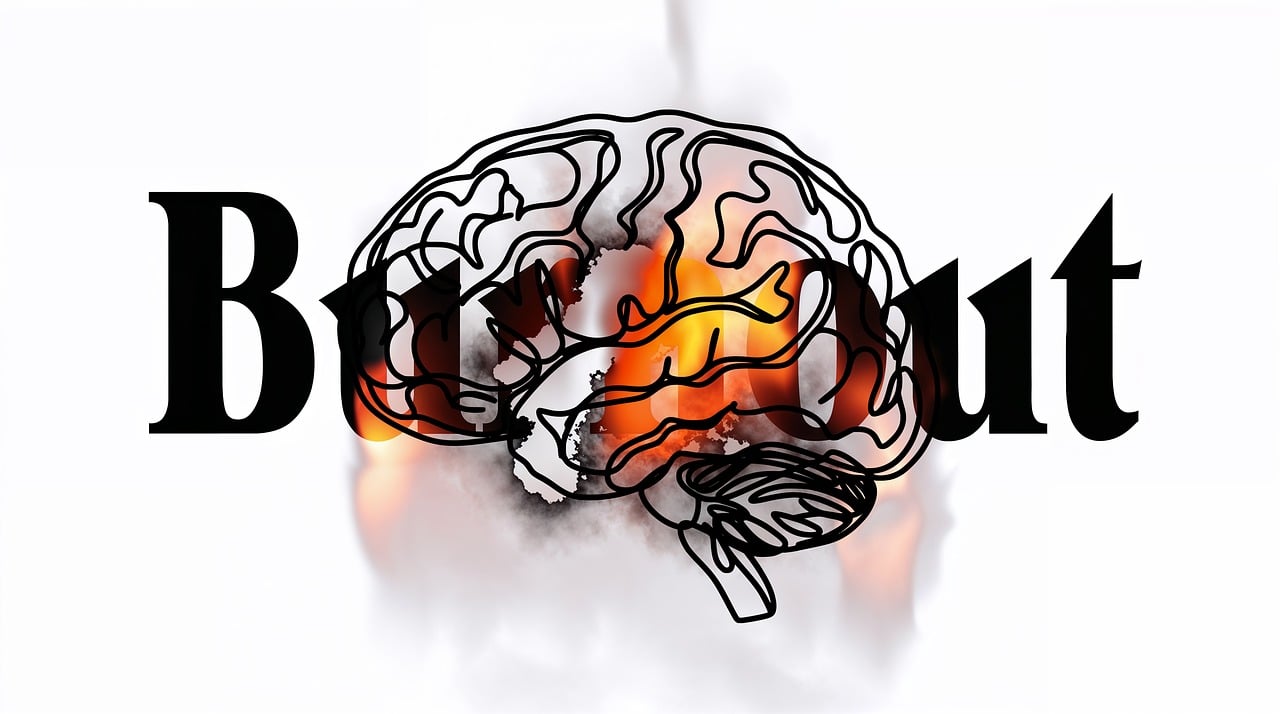

The Role of Cognitive Behavioral Therapy in Stress Management
Stress management is a crucial aspect of mental health, especially in today’s fast-paced world. Cognitive Behavioral Therapy (CBT) has emerged as a prominent method for helping individuals cope with stress effectively. By focusing on the connection between thoughts, feelings, and behaviors, CBT provides tools to challenge negative thinking patterns that contribute to stress. Rather than merely addressing symptoms, CBT empowers individuals to identify the root causes of their stress. Through various techniques such as cognitive restructuring, clients learn to reframe harmful thoughts. Consequently, they gain control over their emotional responses, leading to healthier coping mechanisms. This proactive approach not only alleviates stress but also promotes resilience. Moreover, CBT encourages individuals to engage in problem-solving strategies. Developing practical skills can significantly enhance one’s ability to manage stress and tackle life’s challenges. The effectiveness of CBT has been supported by extensive research, highlighting its lasting benefits. Clients often report reduced anxiety and better overall mental health. Therefore, understanding CBT’s role in stress management is essential for anyone seeking lasting solutions to their stress-related issues.
To apply CBT in stress management, understanding one’s thought patterns is vital. Often, stress originates from distorted thinking. Cognitive distortions include generalizations, catastrophizing, and black-and-white thinking. CBT encourages individuals to identify and challenge these distortions, fostering healthier thought patterns. By doing so, clients can reduce their stress levels significantly. Practicing CBT techniques can lead to substantial improvements in emotional well-being. For instance, keeping a thought diary helps track stress-inducing thoughts and behaviors. This practice allows individuals to recognize triggers and develop strategies to cope. Furthermore, regular sessions with a qualified therapist provide support and guidance throughout the process. During therapy, role-playing certain situations can prepare clients to face real-life stressors more effectively. Additionally, relaxation techniques can complement CBT methods, promoting immediate relief from stress. Techniques such as deep breathing, progressive muscle relaxation, and mindfulness can enhance overall effectiveness. Incorporating these methods into daily routines encourages mental clarity and reduces anxiety. As clients work through their challenges with CBT, the skills learned can serve them well in future stress encounters.
Benefits of CBT for Managing Stress
One of the primary benefits of CBT for stress management is its structured approach. This method offers clear steps toward identifying and addressing stressors. Clients learn not just to cope but to understand their reactions better. As they engage in the therapy process, they build self-awareness, leading to personal growth. This journey often includes understanding triggers and developing personalized coping strategies. Another key benefit is the emphasis on maintaining a proactive mindset. By shifting their focus from external circumstances to their internal reactions, individuals gain empowerment. They no longer feel like victims of stress but active participants in their mental well-being. Additionally, CBT fosters resilience. Through repeated practice of these cognitive techniques, clients become better equipped to handle future stressors. They learn that stress can often be a manageable aspect of life. The cognitive tools they acquire serve as lifelines, helping individuals navigate through turbulent times. Moreover, the versatility of CBT makes it applicable to various stressors, from workplace pressure to family conflicts. This adaptability is a significant advantage, as it allows for tailored solutions.
CBT is not a one-size-fits-all approach; it can be tailored to suit individual needs. As such, personalized treatment plans are crucial for maximizing effectiveness. During therapy, therapists often incorporate various techniques based on the client’s unique circumstances. Methods include role-playing, visualization, and problem-solving exercises. Furthermore, the collaborative nature of CBT encourages active participation. Clients are not passive recipients; they engage deeply in their healing process. This engagement facilitates a more profound understanding of stress and builds confidence. Clients begin to believe in their capacity to effect change. One significant component of CBT and stress management is equipping clients with tools beyond therapy. Clients learn to apply these skills in everyday situations, reinforcing the lessons learned in therapy. As these skills become habitual, individuals find themselves better at managing stress effortlessly. Support systems are also essential during this journey. Friends, family, and support groups can provide encouragement and reinforcement, enhancing the therapist’s work. A strong support network can lead to better outcomes in stress management and overall mental health improvement.
Challenges in CBT for Stress Management
Despite its numerous benefits, CBT may present challenges for some individuals. One common hurdle is the initial discomfort associated with confronting one’s thoughts and feelings. The process can feel overwhelming, especially for those with significant stress or anxiety. Clients may initially resist such exploration, fearing vulnerability. Overcoming this initial resistance is crucial for successful therapy. Additionally, the effectiveness of CBT largely depends on the client’s willingness to engage actively in the process. Commitment to homework assignments and regular therapy sessions can significantly influence outcomes. Without full participation, the therapy’s impact can be limited. Patience is also critical, as it takes time to implement and see results from new techniques. Moreover, some clients may have difficulty understanding the cognitive model, finding it abstract. To address this, therapists should adapt their methods to suit individual learning styles. Further, there may be times when combined approaches are necessary, integrating medications or other therapies into treatment plans. Ultimately, open communication between client and therapist can help navigate these challenges, allowing for a smoother therapeutic journey toward managing stress.
In conclusion, the role of Cognitive Behavioral Therapy in stress management is invaluable. By understanding and altering thought patterns, clients can successfully mitigate stress’s impact on their lives. Through structured techniques, clients not only learn to identify stressors but also develop effective coping mechanisms. This proactive approach fosters resilience, emotional well-being, and self-awareness. Moreover, the adaptability of CBT makes it applicable to a wide range of situations, whether work-related or personal. The personal growth achieved through therapy often leads to improved relationships and overall life satisfaction. While challenges may arise during the process, the rewards of commitment are profound. A strong support system bolsters the therapeutic experience, enhancing motivation and success rates. As individuals integrate learned strategies into their lives, they discover the powerful impact of cognitive techniques. Stress, once overwhelming, becomes manageable through practiced resilience. Ultimately, by investing in CBT, individuals empower themselves to take charge of their mental health and navigate life’s challenges more effectively. This journey not only transforms their immediate stress responses but contributes to long-term emotional stability.
To embark on this journey, seeking qualified therapy is essential. For those interested in finding a CBT therapist, resources such as the Psychology Today therapist directory can be invaluable. By connecting with a professional, individuals can initiate their path toward better stress management and improved mental health. Engaging in a safe, supportive environment fosters healing. It’s important to find a therapist who aligns with one’s needs and goals, facilitating a positive therapeutic alliance. Additionally, numerous self-help books and online resources are available for those looking to explore CBT techniques on their own. These materials can supplement professional therapy and provide insights into managing stress. In doing so, individuals take proactive steps toward their mental health. Consequently, the combination of professional guidance and self-directed learning creates a holistic approach to stress management. With the right tools and support, anyone can learn to navigate stress effectively and create a balanced, fulfilling life.
Overall, the significance of Cognitive Behavioral Therapy cannot be overstated in stress management. As mental health awareness continues to grow, the demand for effective therapies like CBT will only increase. Individuals experiencing stress should consider CBT as a primary strategy for enhancing their coping mechanisms. With its focus on thought processes, CBT provides a framework for individuals to understand their emotional responses. As a result, this method empowers clients to take control of their mental health. Furthermore, the skills learned through CBT do not solely benefit those undergoing therapy; they can be shared with others, creating a ripple effect of positive mental health within communities. By fostering a culture of resilience, individuals contribute to a broader societal understanding of mental wellness. Seeking help is a sign of strength, and CBT offers a pathway to regain control over one’s life. Additionally, embracing these techniques supports a more balanced lifestyle. Ultimately, by prioritizing stress management through CBT, individuals can achieve healthier emotional states and improved relationships both personally and professionally.