
Pilates for Core Strength: Tips for Effective Workouts
Pilates, known for its focus on the core, promotes stability, strength, and balance. Engaging the core muscles is crucial for effective Pilates workouts. To begin, ensure you understand the primary muscles involved, including the abdominals, obliques, and lower back. Engaging these muscle groups helps improve posture, aids in injury prevention, and enhances overall performance. One effective way to engage your core is through conscious breathing. Inhale deeply and exhale fully, allowing your abdomen to draw inwards. This technique not only centers your body but also prepares it for the upcoming movements. Regular practice of Pilates enhances muscle control, coordination, and flexibility. With consistent effort, practitioners often experience increased body awareness, which translates to improved execution of movements. Moreover, incorporating tools like resistance bands or small weights can elevate your workouts further. These tools provide extra resistance, making the core work harder. As you advance, challenge yourself with different exercises targeting various parts of your core. Start slowly, focusing on form, and gradually increase difficulty, ensuring your body becomes accustomed to the changes.
Creating a balanced routine is essential for any Pilates practitioner aiming for core strength. Begin by designing a workout plan that comprises a mix of various exercises targeting the core. Consider including the following exercises: the Hundred, Roll-Up, and Plank. These foundational moves are excellent for strengthening the deep abdominal muscles. For instance, the Hundred is a classic exercise that increases blood flow while promoting coordination. Maintain a steady breath pattern as you perform it to maximize benefits. In addition, the Roll-Up promotes flexibility and engages the back muscles effectively. While performing these exercises, focus on maintaining proper alignment to avoid injury. Experimenting with variations of each exercise can also help challenge your core and keep your workouts exciting. To further enhance muscle engagement, consider adding a balance challenge by standing on one leg. This adjustment requires you to stabilize your core while executing traditional exercises. Consistency is key; aim to perform these exercises regularly. Tracking your progress can also offer motivation. Note improvements in strength, stability, and endurance over time, ultimately leading to a more empowered Pilates practice.
Mind-Body Connection in Pilates
One significant aspect of Pilates for core strength is the mind-body connection. This connection plays a crucial role; it requires mental focus in addition to physical effort. Engaging your mind during workouts enables you to become fully aware of your body’s movements. This awareness fosters better control over muscle engagement, particularly in the core area. As you practice, it’s helpful to visualize the muscles you are working. For instance, imagining the deep abdominals contracting can enhance your ability to recruit those muscles more effectively. Moreover, mindfulness techniques, such as concentrating on your breath, can deepen your Pilates experience. Mindful breathing not only helps you center your focus but also optimizes oxygen intake, thereby energizing your workouts. Additionally, integrating visualization techniques can support muscle control and help prevent injuries. Focusing on proper alignment and smooth transitions between exercises is essential. Strive for fluid movements, which will reflect an understanding of your body and its functions. As you develop this mind-body connection, you will notice more significant improvements in core strength and overall performance during your Pilates sessions.
Setting achievable goals is vital for success in Pilates. When starting your journey toward core strength, outline clear, measurable objectives. Break larger goals into smaller, manageable milestones. This can enhance motivation and encourage regular practice. For instance, if your ultimate goal is to hold a Plank for several minutes, begin by aiming for just ten seconds. Over time, gradually increase the duration as your core strength improves. Keeping a workout journal can also help track your progress, noting achievements and areas needing improvement. Reflecting on your journey is essential to stay motivated and committed. Additionally, partnering with a friend can make sessions more enjoyable and create accountability. Practicing Pilates together can inspire you to stick with the program. You could also attend local classes, allowing you to learn from experienced instructors. This setup provides invaluable feedback regarding posture and muscle engagement, which can refine your technique. Regular attendance at classes cultivates a reliable practice schedule. Lastly, remember to celebrate your progress, no matter how small it may seem. Each improvement in your core strength is a step towards achieving your ultimate fitness goals.
Use of Props to Enhance Core Strength
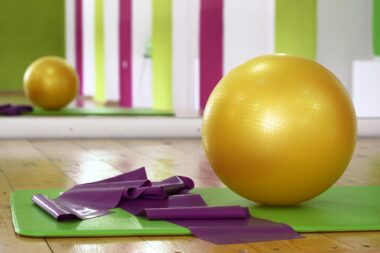
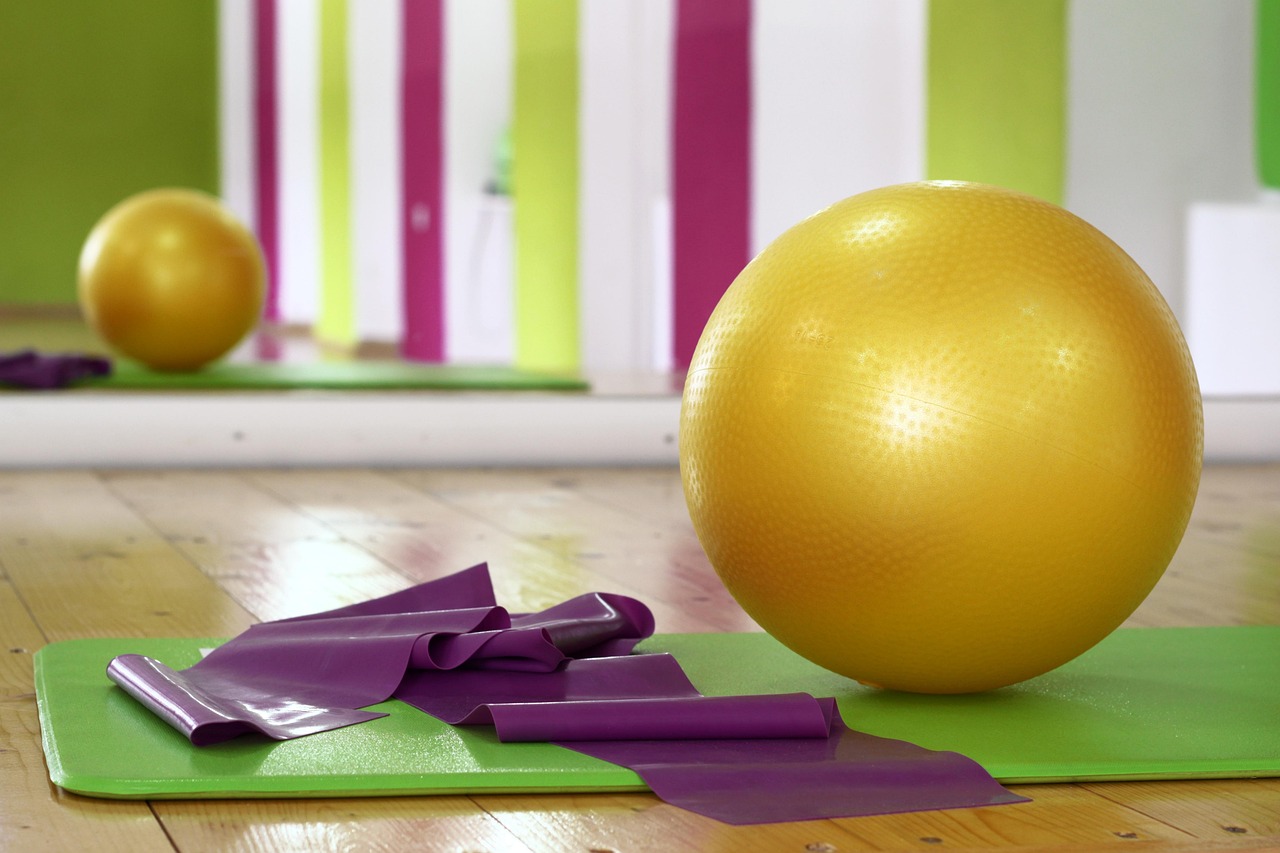
Incorporating props into your Pilates routine can significantly enhance core strength. Various tools such as stability balls, resistance bands, and foam rollers provide additional support and challenge. Stability balls can be used for exercises like Ball Pass or Pike, effectively engaging the core while encouraging balance. These exercises encourage stabilization through the abdominal region. Resistance bands are also great for targeting specific muscle groups while providing resistance. For example, the Band Pull can strengthen both the back and core simultaneously. Foam rollers serve as excellent aids for muscle recovery and can enhance overall body awareness. When using these props, focus on maintaining proper form to maximize effectiveness and minimize risk of injury. As you progress in your practice, feel free to explore advanced exercises that utilize these props creatively. However, be cautious when introducing new props into your routine. Gradually increase resistance or complexity to avoid overwhelming your muscles. Consistent use of props not only strengthens the core but also promotes a high level of adaptability in your Pilates practice. This adaptability can lead to enhanced performance in daily life activities and sports.
The importance of recovery in a Pilates routine cannot be overstated. While consistent practice strengthens the core, recovery allows your muscles to rebuild and grow. Incorporating rest days into your routine will prevent fatigue and potential injuries. Aim for a balanced approach, alternating high-intensity workouts with lower-impact sessions focusing on stretching and relaxation. Techniques like foam rolling, gentle stretches, or yoga can promote recovery. Always listen to your body; if you experience pain or discomfort, take that as a sign to give your body extra time to rest. Engaging in relaxation techniques, such as meditation or mindful breathing, can further aid recovery and enhance the mind-body connection. Furthermore, proper hydration and nutrition play critical roles in muscle recovery as well. Fueling your body with the right nutrients ensures that you have the energy needed for your Pilates sessions. Incorporate protein-rich foods to support muscle repair alongside healthy carbohydrates for energy. Getting enough sleep is also vital, as it allows your body to recover effectively. Emphasizing recovery practices will ultimately lead to better performance, enhanced strength, and improved overall physical health.
Conclusion: Embrace the Pilates Journey
Embracing the Pilates journey toward core strength offers numerous benefits, transforming not only your physique but also your mind. Through proper techniques, consistency, and dedication, you can maximize your workouts effectively. By understanding the core’s essential role and enhancing the mind-body connection, you’ll build a strong foundation. Setting achievable goals and incorporating them into your routine cultivates discipline and motivation. Remember that progress does not happen overnight; it takes time and commitment, but the results are well worth it. Utilizing props creatively and adjusting your practice keeps things engaging and dynamic while promoting growth. Additionally, recognizing the significance of recovery equips you to sustain a healthy routine, which is advantageous in your daily life. Combine your Pilates practice with mindful awareness and improved nutrition to support your journey. Celebrate your progress, big or small, as every achievement contributes to your overall strength and well-being. Stay committed and enjoy the process—every session brings you closer to your core strength goals and will eventually enhance your quality of life. Always strive to learn more and deepen your practice; the rewards will be plentiful.
Transforming your Pilates practice into a journey of growth will lead to long-lasting core strength gains.