
Pilates for Children with Developmental Delays
Pilates is a beneficial exercise modality that can be adapted for children with developmental delays. These children often face unique challenges that can impact their physical abilities. Pilates focuses on movements that promote strength, flexibility, and coordination, which can be particularly advantageous. It emphasizes body awareness and control, helping children establish a connection between their mind and body. By incorporating various Pilates exercises, children can enhance their core strength, posture, and overall stability. Additionally, the mindful nature of Pilates encourages relaxation and concentration, which are essential for children trying to navigate their developmental journeys. Moreover, the customized approach of Pilates allows instructors to tailor sessions based on each child’s specific needs. This adaptability makes Pilates suitable for a wide range of abilities and can motivate children to participate regularly. Further, the social aspect of group classes can foster friendships and improve communication skills. As instructors adapt routines with fun storytelling elements and imaginative themes, children remain engaged and excited about the practice. In conclusion, Pilates serves as an effective tool for promoting physical and emotional wellness in children with developmental delays.
Understanding how Pilates benefits children with developmental delays involves recognizing the core principles of the method. Pilates emphasizes controlled movements and breath, which can enhance a child’s focus and attention span. For children with sensory processing issues, the gentle, rhythmic movements of Pilates can provide calming effects and promote sensory integration. These benefits extend to improving motor skills, enhancing balance, and fostering spatial awareness. Instructors often use props, such as exercise balls and resistance bands, to create a playful environment. This encouragement allows children to explore movements freely while developing their strength and coordination. With a consistent Pilates practice, children may experience improved muscle tone and agility. Another advantage is that Pilates can be practiced with minimal equipment, making it accessible for families and schools. Many children find joy in the practice, leading to a positive association with physical activity. By experiencing success in Pilates, they may also feel empowered in other areas of their life. The supportive community that often develops in Pilates classes provides a safe space for children to thrive. Opportunities for social interaction foster friendships, creating a network of support and shared experiences.
Implementing Pilates at Home
Implementing a Pilates routine at home for children with developmental delays can be simple and rewarding. Parents can start by introducing basic exercises that children can do with assistance. Simple movements like rolling like a ball or the bridge pose help build core strength and enhance flexibility. Moreover, engaging children in the process is crucial; they can choose their favorite exercises or themes. Setting a specific time of day for practice can help establish a routine and maintain consistency. Visual aids, such as colorful diagrams or videos, can help children understand and imitate movements. As they become more familiar with Pilates, families can incorporate fun challenges or games to keep it enjoyable. For instance, creating a treasure map with movements can add excitement while encouraging participation. Additionally, modifying exercises to accommodate any specific needs children may have ensures that practice remains safe and effective. Parents should offer positive reinforcement, celebrating even small achievements. Sharing progress with friends or family members can motivate children and help them feel proud of their growth. Ultimately, practicing Pilates at home fosters family bonding while promoting children’s physical and emotional development.
Finding the right instructor is vital for ensuring effective Pilates practice for children with developmental delays. It is essential to look for someone trained or experienced in working with children, specifically those with unique needs. Instructors should understand the challenges faced by these children and be able to adapt exercises accordingly. During classes, they should create an inclusive environment that encourages exploration and learning at each child’s pace. To improve the effectiveness of Pilates, instructors may incorporate playful elements such as games, music, or storytelling into their teachings. These strategies can significantly enhance the engagement levels of the children. Additionally, communication between parents and instructors is crucial for a tailored approach. Parents can provide valuable insights into their child’s specific needs, preferences, and any medical concerns. Continuous feedback from parents allows instructors to make necessary adjustments to the routines. Pilate’s holistic approach works well with other therapies that children may be undergoing. Therefore, discussing collaborative efforts with therapists can align goals for a comprehensive developmental strategy. In this way, Pilates sessions can become an integral component of a multi-faceted support system for children on the Autism Spectrum or with other developmental delays.
Pilates Equipment and Modifications
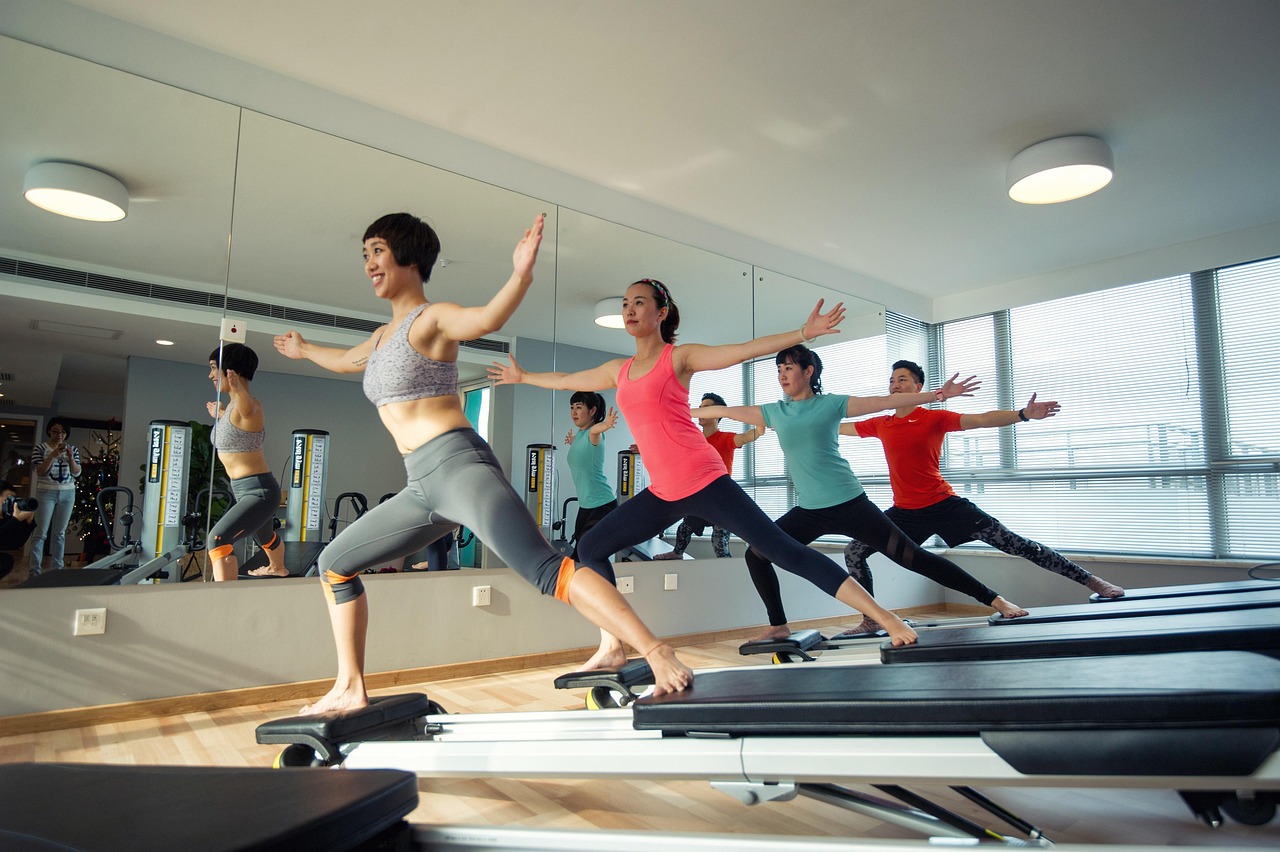
Using the right Pilates equipment and making necessary modifications can enhance the experience for children with developmental delays. While traditional Pilates utilizes equipment like reformers and stability chairs, many effective exercises can be performed using minimal equipment. For beginner levels, mats and small props such as exercise balls or foam rollers are excellent choices to support and stabilize movements. These props can be utilized creatively to assist children in finding their balance and strength comfortably. Moreover, stretches utilizing straps can help improve flexibility and range of motion. If a child struggles with motor control, instructors can adapt exercises by simplifying movements or using supportive holds. This tailored approach helps children feel secure in exploring their physical capabilities. Furthermore, visual aids can be employed to demonstrate exercises, making them easier for children to understand and replicate. As proficiency develops, instructors can gradually introduce more challenging exercises tailored to each child’s progress. Creating an inclusive setting where children can practice together fosters social skills and confidence. Incorporating team-based activities or partner exercises can also encourage cooperation and teamwork, reinforcing the idea that learning and growing is a collective experience.
Monitoring progress and celebrating achievements plays a significant role in any Pilates program, especially for children with developmental delays. Keeping track of improvements, however small, provides motivation for continued practice. Parents and instructors can create a simple chart or journal that highlights milestones achieved during the Pilates sessions. For instance, tracking increased flexibility, improved posture, or greater balance showcases the child’s development over time. Celebrating these achievements reinforces a positive attitude towards exercise and helps children understand growth. It is crucial to personalize this recognition; simple celebrations like stickers, certificates, or verbal praise can enhance a child’s sense of accomplishment. Moreover, incorporating short feedback sessions after classes can provide insights into their experience. Asking them about their feelings around specific exercises can help to make the practice more enjoyable and point to areas that might need adjustments. Encouraging self-reflection allows children to express what they like, fostering autonomy in their learning. Over time, cultivating a growth mindset can empower children to approach challenges in all aspects of life with resilience and optimism. By focusing on progress rather than perfection, Pilates becomes a valuable tool for overall well-being.
Conclusion
In conclusion, Pilates for children with developmental delays offers a unique and effective way to enhance physical and emotional wellness. The adaptable nature of this exercise allows it to be tailored to each child’s specific needs and abilities. Through structured classes or at-home practice, children can enjoy the physical benefits associated with increased core strength, flexibility, and body awareness. Furthermore, the positive effects on emotional regulation, social skills, and confidence cannot be overlooked. As families and instructors collaborate to create a nurturing and supportive environment, the impact of Pilates can be profound. By employing creative strategies like games and visual aids, children remain engaged and excited about their practice. Each goal achieved helps cultivate a positive relationship with physical activity, encouraging lifelong habits of health and wellness. Additionally, the sense of community fostered within group classes can significantly reduce feelings of isolation often associated with developmental delays. Together, children can support and learn from each other, fostering empathy and understanding. Ultimately, Pilates serves as more than an exercise—it’s a pathway towards empowerment and growth, enabling children to thrive despite their challenges.