
Overcoming Mental Barriers in Triathlon Preparation
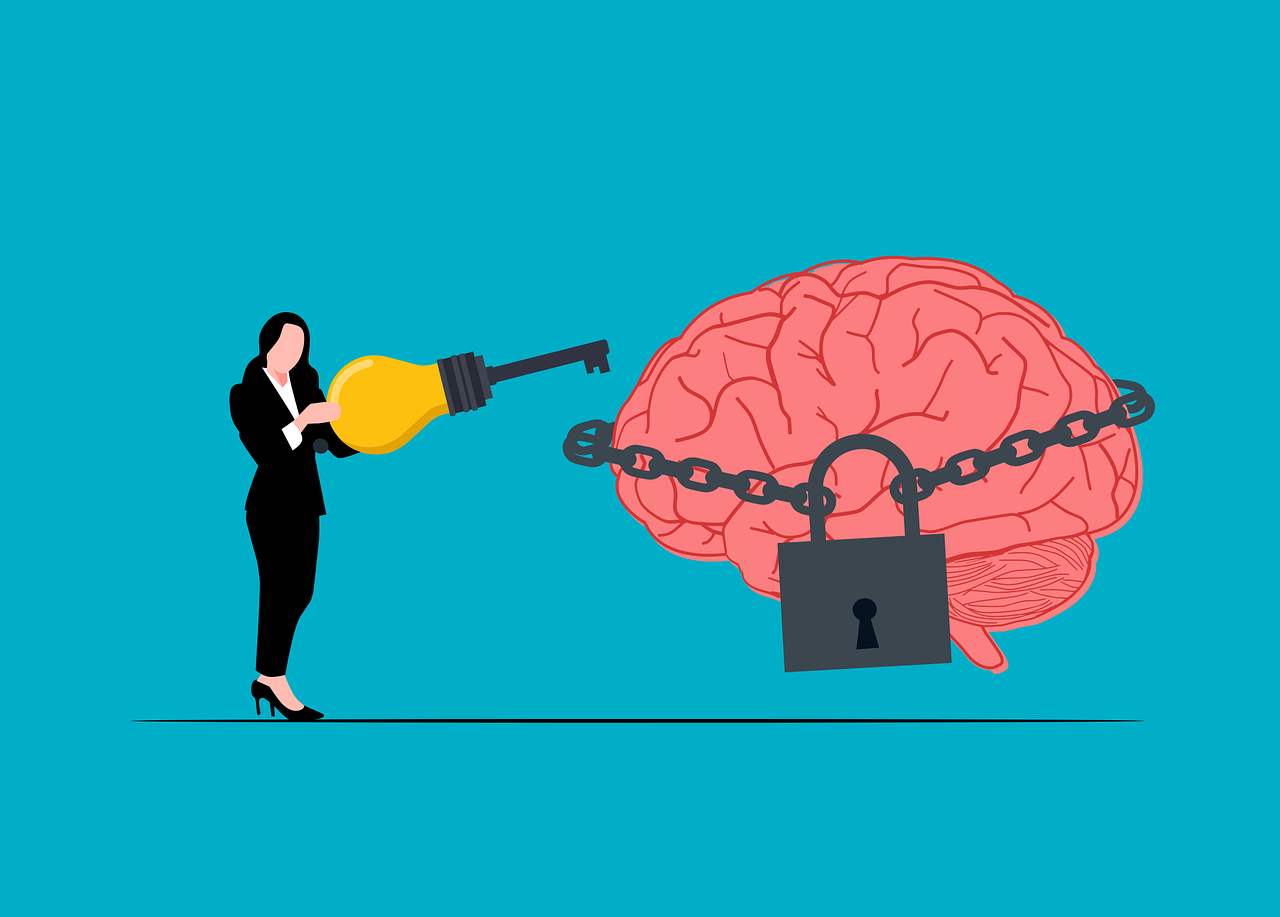
Triathlon preparation demands not only physical strength but also significant mental resilience. Athletes often encounter mental barriers that can hinder their progress. Recognizing these barriers is crucial for overcoming them effectively. Some common mental obstacles include fear of failure, self-doubt, and anxiety about competition. To combat these issues, athletes can build a strong mental framework. This involves setting achievable goals that allow for incremental progress during training. A positive mindset is essential; athletes should focus on their improvements rather than setbacks. Additionally, practicing visualization techniques can help athletes mentally prepare for both training sessions and races. By imagining successful performances, they can develop confidence in their abilities. Moreover, developing a routine that incorporates mental training, such as meditation or mindfulness, can enhance focus and reduce anxiety. Athletes should also connect with their support network, including coaches and fellow competitors, who can provide encouragement and insights. Seeking guidance from sports psychologists may further assist athletes in navigating their mental landscape. By addressing and overcoming these mental barriers, triathletes can enhance their performance and ensure a successful training period.
The mental aspects of triathlon training are often emphasized due to their critical role in success. Developing strategies to tackle mental challenges is as vital as physical conditioning. The first step involves recognizing negative thoughts that can stall progress. Techniques such as cognitive restructuring can be implemented to alter these destructive thought patterns. When faced with self-doubt, athletes can benefit from affirmations or positive self-talk. Writing down accomplishments can serve as a tangible reminder of what they’ve achieved. Additionally, athletes should practice stress management techniques, including deep-breathing exercises, which can help maintain focus during intense emotions. Training in various environments can also simulate competition pressure, which assists in acclimatizing to high-stress situations. Incorporating goal-setting strategies can keep motivation levels high while breaking down daunting tasks into manageable segments. Athletes must celebrate small victories throughout their training journey as they build resilience. Connecting with inspirational stories of veteran triathletes can also fuel determination during tough phases. By developing these mental skills, triathletes can improve their mental game significantly, ultimately influencing their overall performance positively.
Harnessing Motivation for Training Success
Motivation is a driving force in overcoming mental barriers during triathlon training. Understanding personal motivations can provide the boost needed to push through challenging times. Establishing a strong ‘why’ can reinforce commitment, whether it’s personal achievement or training for an event. Athletes should regularly remind themselves of their motivations, keeping them at the forefront of their minds. Setting seasonal goals can aid motivation while allowing a focus on the journey. Engaging in friendly competition with peers typically enhances motivation as well. Witnessing the achievements of fellow athletes can inspire individuals to push their limits. Incorporating variety in training routines ensures that boredom doesn’t creep in, which is especially important for maintaining long-term motivation. This can involve alternating swimming, cycling, and running to keep the training process fresh and exciting. Keeping a training journal can help athletes track progression and reflect on experiences. This reflection allows them to celebrate successes and identify areas of improvement. Ultimately, establishing a deep connection to personal motivations fosters resilience during training. It transforms challenges into opportunities for growth, fueling success in both preparation and competition.
Building a solid training plan is essential for overcoming mental hurdles. A structured plan helps athletes gain a sense of control over their preparation, reducing anxiety. Clearly defined phases in the training schedule can map out progress toward bigger goals, allowing athletes to stay organized. Utilizing technological tools such as apps or wearables can enhance this structure as well. These tools track performance metrics, providing concrete data that informs future training decisions. Maintaining consistency is vital; athletes must commit to their training schedules even on tough days. Small adjustments to the training plan can cater to fluctuating physical and emotional states. Listening to one’s body ensures a balanced approach that promotes mental resilience. Furthermore, incorporating cross-training can alleviate monotony while enhancing overall fitness. Engaging in diverse activities not only improves physical capabilities but also refreshes the mindset. Consider working with a coach or trainer for personalized guidance, keeping motivation high. Seeking experiences that challenge limits enhances confidence and builds mental toughness over time. By adopting these strategies, triathletes can develop a more comprehensive training experience that adequately prepares them for competition.
Developing Resilience Through Challenges
Resilience plays a critical role in overcoming mental barriers in training. Triathlon athletes frequently encounter challenging situations that test their resolve. Learning to embrace discomfort as part of the training process can foster resilience. This can be achieved by intentionally seeking out tougher training sessions that push personal limits. Building mental toughness involves pushing through perceived barriers; athletes should recognize that pain and discomfort are often temporary states. Practicing mindfulness during difficult workouts can help athletes maintain focus and calmness. By staying present, they can reduce anxiety and fully experience training challenges. Moreover, sharing experiences with fellow athletes can create a sense of camaraderie, which bolsters resilience. Forming support networks allows for sharing strategies and insights, fostering accountability. In moments of doubt, encouragement from peers can reignite the training spirit. Embracing a growth mindset is essential; viewing failures as opportunities for learning rather than setbacks fosters a strong mental approach. Keeping a ‘failure journal’ can help athletes identify patterns in challenging situations. Reflecting on past hurdles and how they were overcome enhances one’s ability to tackle future challenges confidently. Resilience becomes a driving force, ensuring that obstacles are perceived as stepping stones rather than barriers.
Another aspect of triathlon training involves recovering and reflecting on both accomplishments and failures. Recovery periods are crucial for mental and physical rejuvenation. Athletes often underestimate the importance of rest; it provides necessary downtime to process emotions surrounding intense training sessions or competitions. Engaging in activities that promote relaxation, such as yoga or gentle swimming, can facilitate this recovery. After an extensive training cycle, dedicating time to review what was learned can create valuable insights. Reflection encourages athletes to celebrate their successes while recognizing areas needing improvement. Writing structured reflections can help in dissecting emotions, facilitating deeper understanding of personal performance. Seeking feedback from coaches or peers can further enrich this process, offering an external perspective. During quieter moments, athletes should challenge themselves to set future aspirations based on their reflections. These aspirations drive motivation forward, creating a cycle of growth and improvement. When setbacks occur, using reflections to reframe situations can enhance mental toughness. Ultimately, investigating the mental components of training prepares athletes for the unpredictable nature of competitive events, equipping them with tools for success.
Embracing the Journey of Triathlon Training
Triathlon training is an extensive adventure that goes beyond mere physical preparation; it embodies a journey filled with various experiences. Athletes must learn to embrace their entire journey, recognizing that every step contributes to their growth. Acknowledging that training will include both triumphs and challenges is crucial for fostering a positive mindset. Focus on enjoying the process rather than solely on outcomes. Celebrating smaller milestones can infuse joy into training, reinforcing commitment to long-term goals. Include activities that ignite passion, such as participating in local races or volunteering at events aimed at community engagement. Building relationships within the triathlon community can create a supportive environment that enhances social bonds. Sharing insights, encouragement, and victories contribute to a culture of strength and motivation. As athletes reflect on their journeys, these connections deepen their appreciation for the sport itself. Engaging with social media platforms can also foster a sense of belonging, connecting like-minded individuals. Celebrating the highs and learning from the lows ultimately cultivates a rich experience. Triir athletes should adopt an attitude that values lessons learned along the way, recognizing each experience as a vital chapter in their story. This perspective makes the entire journey fulfilling and meaningful.
Finally, athletes should remember that mental training is an ongoing process, not simply a one-time effort. Developing resilience, motivation, and acceptance of one’s journey requires regular practice and commitment. Triathletes can employ mental strategies consistently, integrating them into their everyday training routines. This requires dedication to the mental side of performance in tandem with physical conditioning. Engaging in ongoing education on mental performance strategies can prove beneficial. Workshops, classes, or friendly discussions with seasoned athletes can increase knowledge and understanding of effective mental training techniques. Seeking professional guidance, such as from a sports psychologist, can provide personalized strategies to address individual mental barriers. The interplay between mental toughness and physical endurance solidifies success in triathlon training and competition. Regularly revisiting motivational goals and visualizing success can serve as powerful reinforcements. Progress can also be tracked to evaluate the impact of mental strategies on performance. Consistency is vital; incorporation of mental training into daily routines builds resilience over time. In conclusion, overcoming mental barriers in triathlon preparation is a multifaceted approach that intertwines physical and mental efforts. Athletes can enhance their training experience through intentionality and focus across these realms.